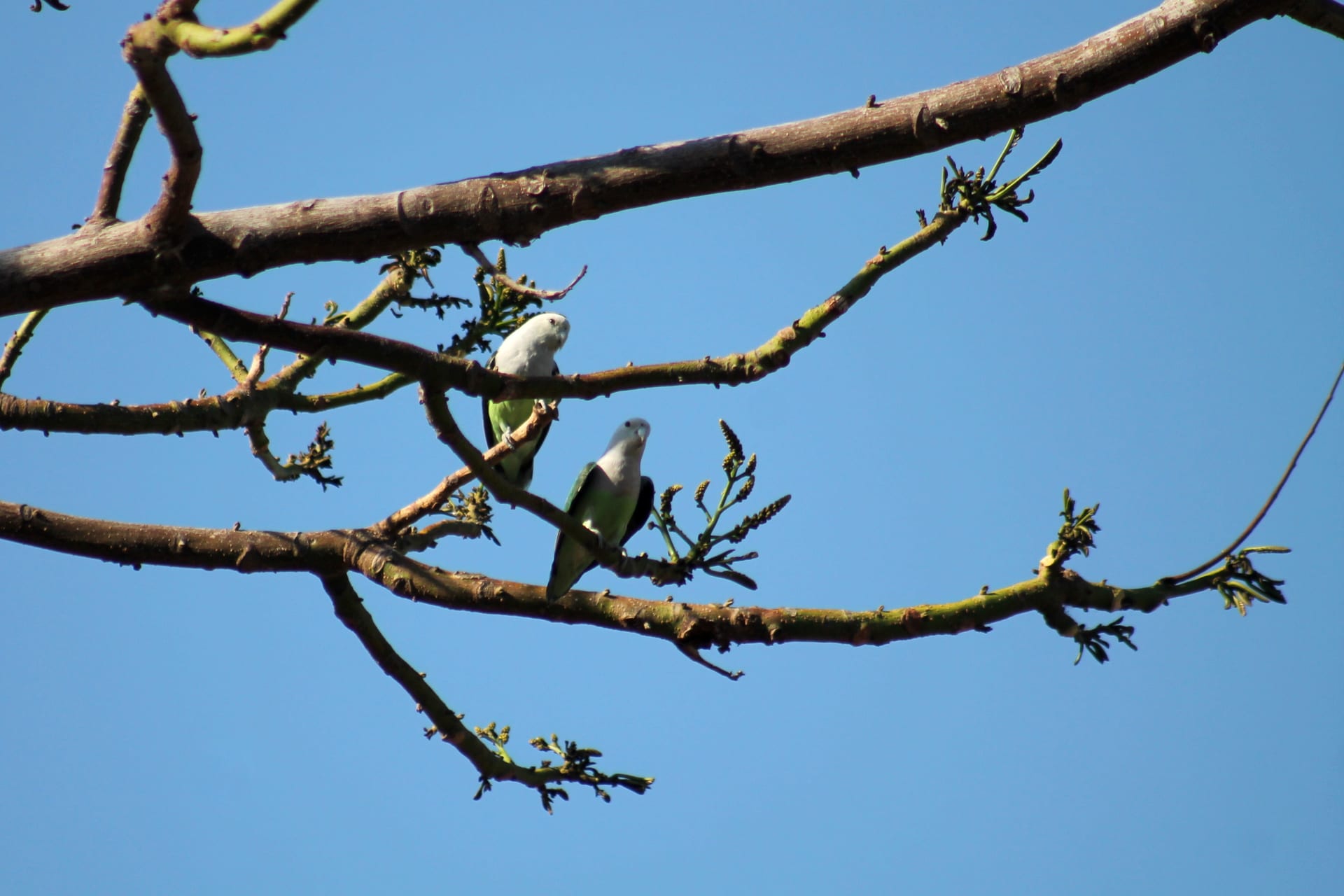
 © Heinonlein / CC BY-SA 4.0
Grey-headed Lovebird
The Grey-headed Lovebird is the smallest species among the lovebirds (genus Agapornis), with an endearingly compact body around 13cm long. Native only to Madagascar, males are easy to distinguish thanks to the pale grey feathers covering their head and upper chest, a trait females lack. Lively and sociable, they express themselves through vocalizations and expressive body language. Breeding them in captivity is known to be difficult, making this a species best suited to experienced keepers who are ready to invest real attention and care.
View Grey-headed Lovebird encyclopedia →0% commission on your first sales!Register by September 30, 2026 and your first 2 sales are commission-free!
Breeder Wanted!
List on BreederDirect and sell directly to customers nationwide!
BreederDirect's 6 Transparency Commitments
All Birds listings include complete Breeder transparency: hand-raised status, DNA sex determination, and health certification details.
- Hand-Raised
- DNA Sex-Determined
- Health Certified
- Origin Disclosed
- Color Variation Specified
- Age in Months Disclosed
Browse all 286 breeds
Care Level
No listings match your filters
Adjust your filters, or get notified when new listings arrive.
Getting alerts is free with a member account. When new listings match your saved search, we'll notify you by email and in-app.
Browse other categories
Verified breeders (preview)
Grey-headed Lovebird key facts
- Care level
- Advanced
- Lifespan
- 8-12 years
- Size
- About 13cm
- Diet
- Finch seed, canary seed, greens and a small amount of sunflower seed
- Cage
- Though small it is a strong flier, so a cage wide enough for horizontal flight, or an aviary, suits it best. Site it somewhere quiet with little foot traffic.
- Temperament
- It is highly strung and nervous, and even hand-reared birds make poor pets; birds are better given the chance to breed.
- Vocalization
- It gives short, high calls, but is not conspicuously noisy for a lovebird.
- Notes
- Its small bill means it prefers finch and canary seed; a sunflower-based mix is left uneaten. Successful captive breeding is very rare.
About Grey-headed Lovebird
Meet the Grey-headed Lovebird, the smallest lovebird species and native only to Madagascar. Learn about its size, grey-headed males, and why it suits experienced keepers.
7 things to know before welcoming a Grey-headed Lovebird
1Smallest of the Lovebirds
At around 13cm long and 30-36g, this is the smallest species among the lovebirds. Because of their small size, they're more sensitive to temperature swings and environmental stress, so careful temperature management in the cage is important.
2Telling Males from Females
Only males develop pale grey plumage across the head and upper chest. Since females lack this coloring, adults of this species are relatively easy to sex by sight.
3Captive Breeding Is Difficult
As a species endemic to Madagascar, captive breeding is known to be challenging. If you're considering breeding, approach it carefully and consult an experienced breeder first.
4Recommended for Experienced Keepers
This species is rated as suitable for experienced keepers. It's best suited to those who already have experience with parrots or other lovebirds and can dedicate time to daily observation and health management.
5Lively and Active Temperament
They're curious and lively, always on the move. Providing safe opportunities for exercise and enrichment outside a cramped cage helps keep them comfortable and content.
6Diet and Nutrition
A base diet of small parrot pellet or seed mix, supplemented with a balanced variety of fresh vegetables and fruit, works well. Because they're so small, watch closely for nutritional imbalance or accidental ingestion of unsuitable foods.
7Preparing Your Home Before Arrival
Given their small size, check cage gaps and room safety in advance to prevent escapes or accidents. After bringing one home, give it quiet time to settle into its new environment before interacting too much.
Frequently asked questions about Grey-headed Lovebird
- Q.Can beginners keep a Grey-headed Lovebird?
- A.This species is rated as suitable for experienced keepers. It's best suited to those who already have experience with birds or lovebirds. First-time keepers should consult someone experienced before deciding.
- Q.How can you tell males and females apart?
- A.Only males have pale grey feathers on the head and upper chest, a coloring females don't share. This makes adults relatively easy to sex visually.
- Q.Can they be bred successfully at home?
- A.As a species endemic to Madagascar, captive breeding is known to be difficult. If you're considering it, consult an experienced breeder and proceed carefully.
- Q.How big does this species get?
- A.They measure about 13cm, making them the smallest species among the lovebirds. Their small size means extra attention to cage temperature and safety is needed.
- Q.Are there any CITES restrictions on this species?
- A.Grey-headed Lovebird is listed in CITES Appendix II. International trade requires a permit from the exporting country, but as far as CITES is concerned, no registration is needed to buy or sell individuals already legally in Japan.
Useful tools for Grey-headed Lovebird care
Learn more about Grey-headed Lovebird in the encyclopedia
View Grey-headed Lovebird encyclopedia entry →
Care difficulty, lifespan, size and diet — all basics covered.
More in this category
Can't find the one you're looking for?
Post your wishes for free and breeders with matching animals will contact you with introductions.