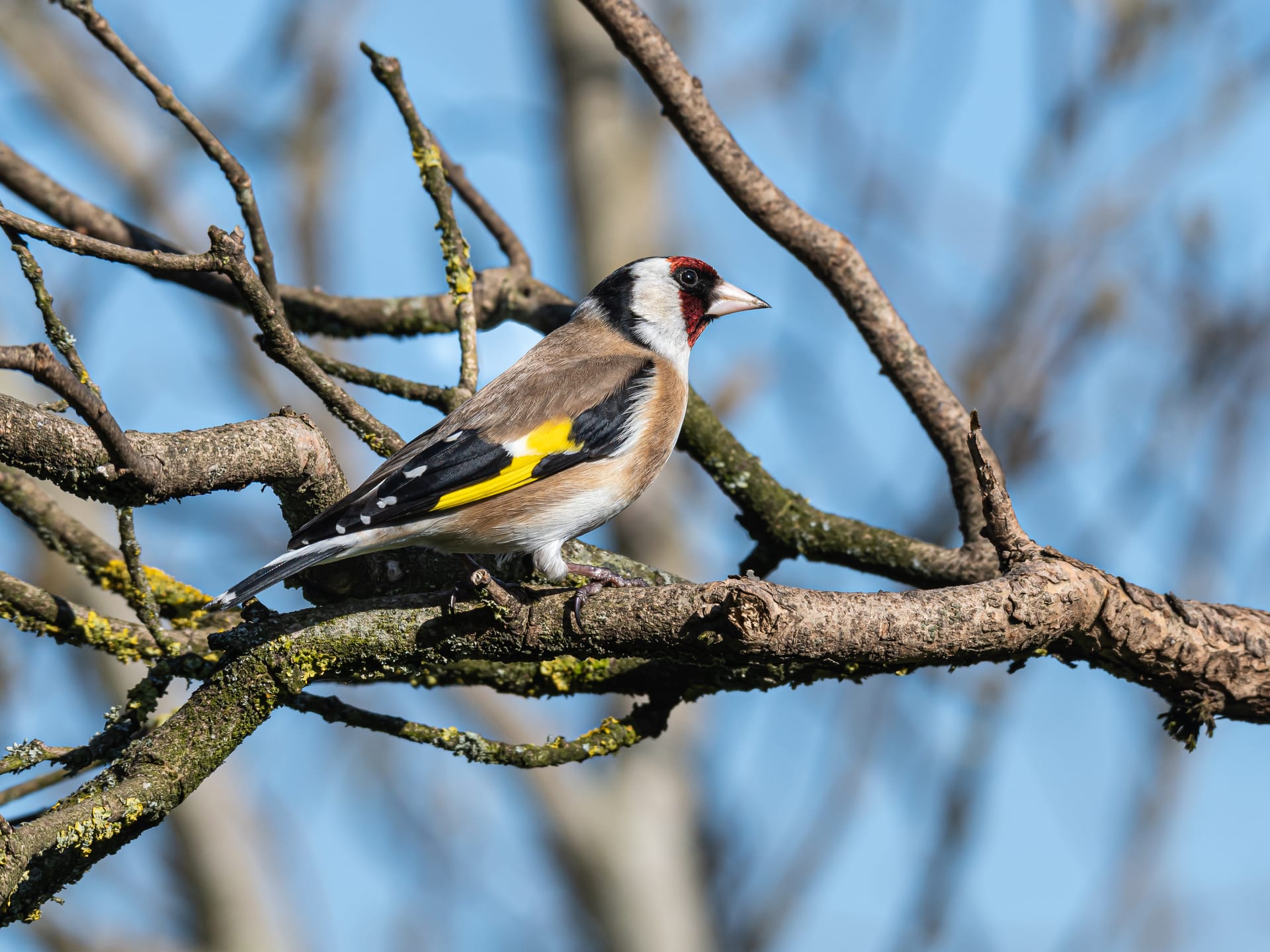
 © Isiwal / CC BY-SA 4.0
European Goldfinch
The European Goldfinch is a small finch known for its striking red face, black-and-white head, and the broad yellow band crossing its black wings. Long treasured as a cage bird in Europe, it has also been crossbred with canaries and other finches for generations. Alert and lively, it captivates keepers with its clear, musical song and vivid appearance. Because of its particular seed-based diet and sensitivity to its environment, it's generally considered a bird for intermediate keepers rather than complete beginners. Its blend of striking plumage and centuries-old aviculture tradition makes it a distinctive choice.
View European Goldfinch encyclopedia →Breeder Wanted!
List on BreederDirect and sell directly to customers nationwide!
BreederDirect's 6 Transparency Commitments
All Birds listings include complete Breeder transparency: hand-raised status, DNA sex determination, and health certification details.
- Hand-Raised
- DNA Sex-Determined
- Health Certified
- Origin Disclosed
- Color Variation Specified
- Age in Months Disclosed
Browse all 286 breeds
Care Level
No listings match your filters
Adjust your filters, or get notified when new listings arrive.
Getting alerts is free with a member account. When new listings match your saved search, we'll notify you by email and in-app.
Browse other categories
Verified breeders (preview)
European Goldfinch key facts
- Care level
- Intermediate
- Lifespan
- Longevity record about 27 years
- Size
- 12-13cm
- Diet
- Mixed seed including thistle and burdock seed, rapeseed, greens, and small livefood when breeding
- Cage
- A cage at least one metre long is regarded as the minimum; being a strong flier it needs width above all.
- Temperament
- Males of the same species clash in the breeding season, so keep pairs apart or use a spacious aviary.
- Vocalization
- Famous for a clear, complex song that is louder than that of small estrildids, so choose the cage position carefully in flats.
- Notes
- It favours thistle seed. Keeping it is said to require study, so settle the diet before acquiring a bird.
About European Goldfinch
A small finch with a red face, black-and-white head, and yellow-banded wings. Long kept in Europe for its striking looks and clear song; best suited to intermediate keepers.
7 things to know before welcoming a European Goldfinch
1Best for Intermediate Keepers
The European Goldfinch is generally recommended for keepers with some prior experience rather than complete beginners. It can be sensitive to changes in its environment, so familiarity with small-bird care is helpful before bringing one home.
2A Seed-Based Diet
In the wild, it uses its slender bill to extract seeds from thistles, burdock, and other composite flowers. In captivity, a seed mix built around these plant seeds should form the core of its diet, with attention paid to overall nutritional balance.
3A Clear, Musical Song
Males in particular are known for a complex, melodious song. This appealing voice is one of the reasons the species has been kept as a cage bird in Europe for centuries.
4Flocking Nature and Male Rivalry
In the wild, European Goldfinches often gather in flocks and are naturally sociable. However, males of the same species tend to quarrel in the breeding season, so when keeping more than one, separate them by pair or house them in a large aviary.
5Give It Room to Move
At roughly 12–13 cm long, it's a small bird but an active one — a cage that's generously sized relative to its body helps it thrive. Varying the height and placement of perches also encourages natural movement.
6Extra Care During Molting
Molting is a physically demanding period. Offering a nutrient-rich diet and avoiding sudden changes in temperature or light exposure helps support the bird through this time.
7Preparing Before You Bring One Home
Beyond a cage, food, and perches, it helps to identify a veterinarian experienced with small birds in advance. Getting into the habit of daily observation makes it easier to notice changes in condition early.
Frequently asked questions about European Goldfinch
- Q.Is this bird suitable for beginners?
- A.It's generally considered better suited to keepers with some prior experience than to complete beginners. It's worth researching its care needs thoroughly before deciding to bring one home.
- Q.Is its call loud or disruptive?
- A.Its song is clear and complex, but it is louder than that of smaller finches. In apartments or shared housing, it's worth choosing the cage location carefully.
- Q.Can it be kept with other birds?
- A.It naturally flocks in the wild, but males of the same species tend to quarrel in the breeding season, so keep them by pair or in a large aviary. Compatibility with other species varies by individual, so proceed carefully and watch how they interact.
- Q.How long do European Goldfinches live?
- A.The longest recorded lifespan is around 27 years. Actual lifespan varies depending on the individual and its living conditions.
- Q.Are there any legal restrictions on keeping one?
- A.European Goldfinch is listed in CITES Appendix III, but only for the population of Ukraine. As far as CITES is concerned, no registration is needed to buy or sell individuals in Japan.
Useful tools for European Goldfinch care
Learn more about European Goldfinch in the encyclopedia
View European Goldfinch encyclopedia entry →
Care difficulty, lifespan, size and diet — all basics covered.
More in this category
Can't find the one you're looking for?
Post your wishes for free and breeders with matching animals will contact you with introductions.