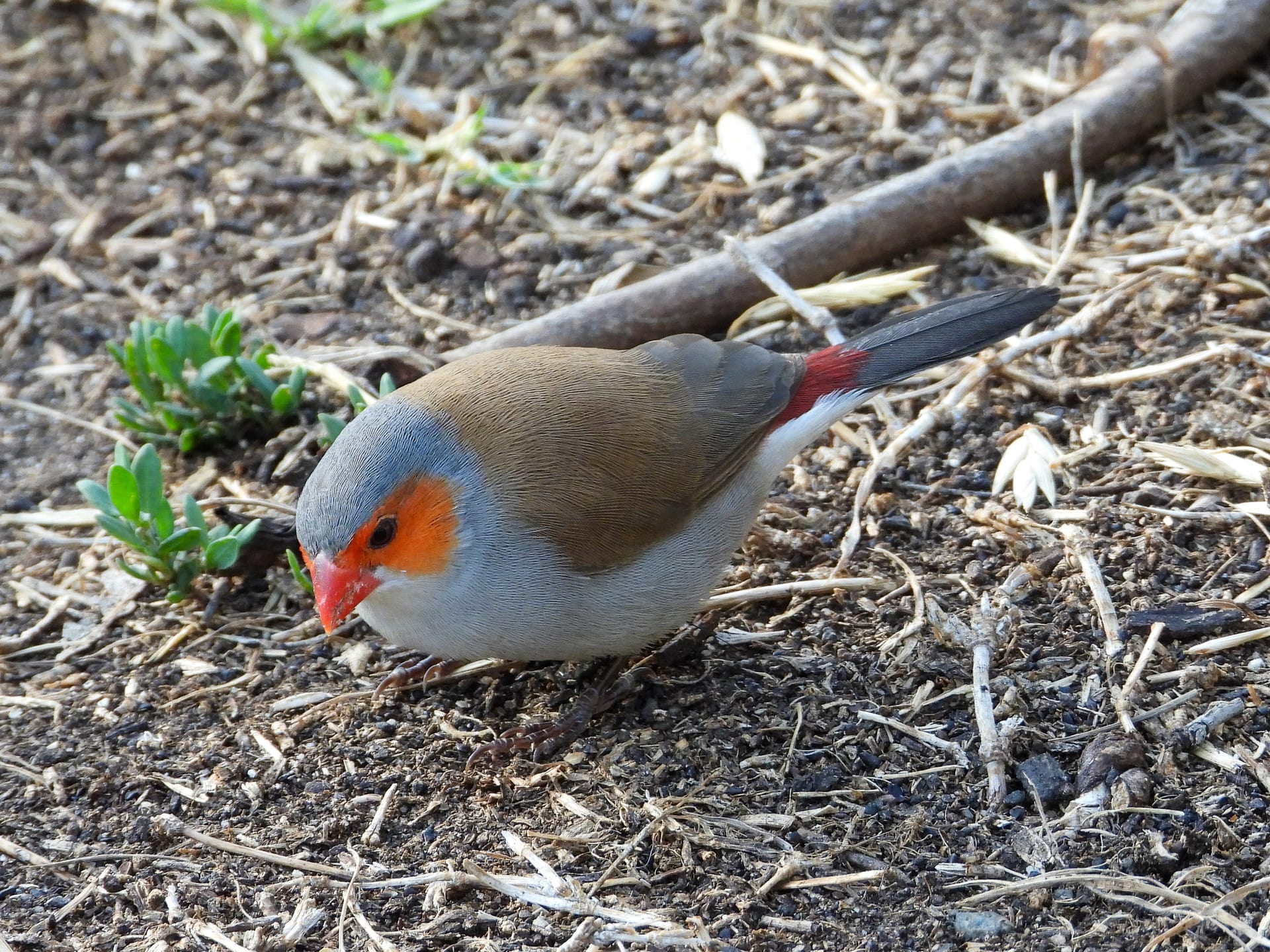
 © James M. Maley / CC BY 4.0
Orange-cheeked Waxbill
The Orange-cheeked Waxbill is a small West African finch known for its striking combination of a gray head, vivid orange cheeks, and a reddish-orange bill. Measuring around 10cm, it retains a strong natural instinct for feeding on grass seed heads while clinging to the stalks. Gentle and averse to conflict by nature, it is an approachable choice for first-time keepers. However, it can be driven away from the feeding area by more assertive species, so choose companions carefully and provide several food dishes if you keep it with other birds. Its calm demeanor and charming coloring make it a real standout in any aviary. With a beginner-friendly reputation, it's a welcoming entry point for anyone starting out with small finches.
View Orange-cheeked Waxbill encyclopedia →Breeder Wanted!
List on BreederDirect and sell directly to customers nationwide!
BreederDirect's 6 Transparency Commitments
All Birds listings include complete Breeder transparency: hand-raised status, DNA sex determination, and health certification details.
- Hand-Raised
- DNA Sex-Determined
- Health Certified
- Origin Disclosed
- Color Variation Specified
- Age in Months Disclosed
Browse all 286 breeds
Care Level
No listings match your filters
Adjust your filters, or get notified when new listings arrive.
Getting alerts is free with a member account. When new listings match your saved search, we'll notify you by email and in-app.
Browse other categories
Verified breeders (preview)
Orange-cheeked Waxbill key facts
- Care level
- Beginner-friendly
- Lifespan
- 5-8 years
- Size
- About 10cm
- Diet
- Small green and ripe millets, spray millet, greens, and small livefood when breeding
- Cage
- A long cage or aviary planted densely with grass suits it. Provide stands of grass or reed growing over 40 cm plus dead branches for roosting.
- Temperament
- Gentle and unaggressive, it gets pushed off the feeder by bolder species, so always provide more than one feeding station.
- Vocalization
- Flocks exchange thin high-pitched peeps, which are the best clue to their presence, and the volume is low.
- Notes
- Captive breeding does not meet demand, so many birds are imports; keep new arrivals warm and quiet while they settle.
About Orange-cheeked Waxbill
A West African finch with a gray head and vivid orange cheeks. Gentle, around 10cm, and beginner-friendly.
7 things to know before welcoming a Orange-cheeked Waxbill
1A love for grass seed heads
In the wild, this species clings to grass seed heads and picks seeds directly from the stalk. Offering millet sprays in captivity helps bring out this natural foraging behavior.
2A peaceable, non-aggressive temperament
This finch has a calm, conflict-averse temperament. On the flip side, it can be chased away from the feeding area by more assertive species, so choose companions carefully and provide several food dishes if you keep it with other birds.
3Small and delicate build
At around 10cm as an adult, this is a small and delicate bird, so attention to details like temperature swings and cage gaps matters. Prepare a suitable setup before bringing one home.
4Beginner-friendly care level
This species is generally considered suitable for beginners. That said, keep up with the basic daily care and observation common to all small birds, and check on its health regularly.
5Eye-catching coloring
The contrast of a gray head, orange cheeks, and a reddish-orange bill is a major visual draw. It adds a vivid accent alongside birds with simpler, more uniform coloring.
6Preparing the environment beforehand
Because of its small size, check the cage's bar spacing and the temperature and airflow of its placement beforehand. Set up a calm environment before the bird arrives.
7Watch closely when housing with others
Even though it's a gentle bird, watch compatibility carefully when housing it with others. Introduce them gradually rather than forcing them together right away.
Frequently asked questions about Orange-cheeked Waxbill
- Q.Can beginners keep an Orange-cheeked Waxbill?
- A.Yes, this species is generally considered beginner-friendly. It has a gentle, manageable temperament, though daily observation and care common to all small birds are still essential.
- Q.Can it be kept together with other birds?
- A.It is peaceable and avoids conflict, but it can be chased away from the feeding area by more assertive species. If you house it with others, choose companions carefully, provide several food dishes, and observe compatibility closely.
- Q.How large does it grow?
- A.As an adult it reaches about 10cm, a fairly small bird. Because of its small size, pay attention to cage gaps and temperature changes.
- Q.What should it be fed?
- A.Since it has a strong natural habit of eating seeds directly from grass seed heads, offering millet sprays helps encourage this natural foraging behavior.
- Q.Is it subject to CITES?
- A.The Orange-cheeked Waxbill is not subject to CITES.
Useful tools for Orange-cheeked Waxbill care
Learn more about Orange-cheeked Waxbill in the encyclopedia
View Orange-cheeked Waxbill encyclopedia entry →
Care difficulty, lifespan, size and diet — all basics covered.
More in this category
Can't find the one you're looking for?
Post your wishes for free and breeders with matching animals will contact you with introductions.