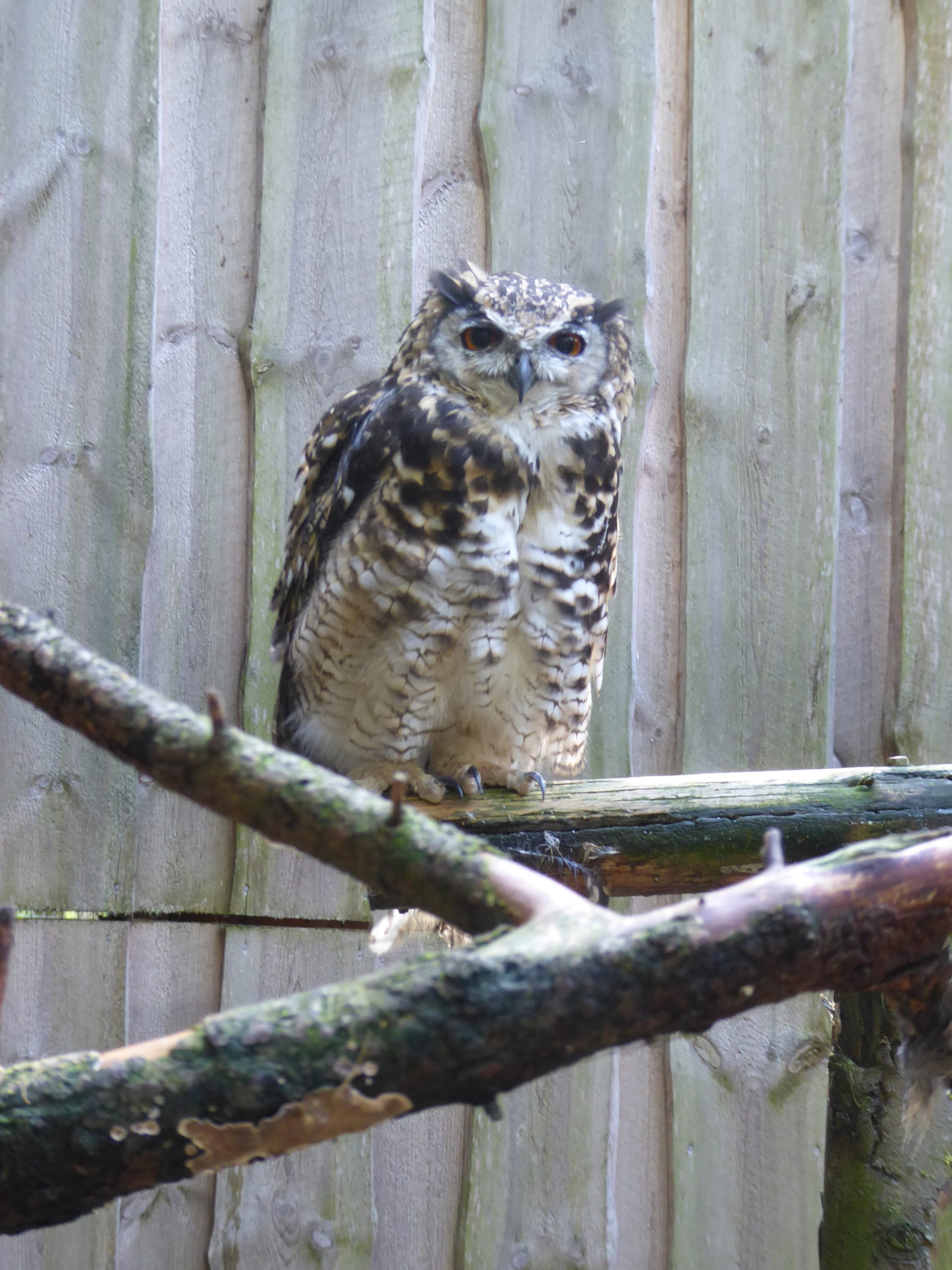
 © Syrio / CC BY-SA 4.0
Cape Eagle-Owl
The Cape Eagle-Owl is a large owl native to the rocky highlands of southern and eastern Africa. Its striking ear tufts and glowing yellow-to-orange eyes give it an unmistakable presence, set off by a dark brown back and a chest mottled with white, black, and tawny markings. In the wild, it roosts on rocky ledges and in caves, and is a formidable hunter capable of taking down hyraxes heavier than itself. Its commanding posture and fierce expression make it one of the more striking owls you will encounter. That said, this is a strong-willed bird that requires specialized knowledge and experience, making it best suited to advanced keepers with prior raptor experience. Anyone considering bringing one home should understand both its wild allure and the real challenges of caring for it.
View Cape Eagle-Owl encyclopedia →Breeder Wanted!
List on BreederDirect and sell directly to customers nationwide!
BreederDirect's 6 Transparency Commitments
All Birds listings include complete Breeder transparency: hand-raised status, DNA sex determination, and health certification details.
- Hand-Raised
- DNA Sex-Determined
- Health Certified
- Origin Disclosed
- Color Variation Specified
- Age in Months Disclosed
Browse all 286 breeds
Care Level
No listings match your filters
Adjust your filters, or get notified when new listings arrive.
Getting alerts is free with a member account. When new listings match your saved search, we'll notify you by email and in-app.
Browse other categories
Verified breeders (preview)
Cape Eagle-Owl key facts
- Care level
- Advanced
- Size
- 46-61 cm
- Diet
- Carnivorous: whole prey such as rats, rabbits and quail
- Temperament
- Nocturnal, resting by day among rocks and on ledges, often roosting as a pair.
- Cage
- A large owl over 1 kg, it needs a big aviary to fly in, stout perches and a rocky resting spot.
- Vocalization
- Males give powerful hoots and alarmed birds bark repeatedly; night calls carry far.
- Feeding
- It takes prey heavier than itself in the wild; feed whole rats, rabbits or quail and weigh the bird to set rations.
- Health & notes
- Its talons and grip are very powerful, so heavy gloves are essential. It is a different species from the spotted eagle-owl. Only foreign captive-bred birds are traded; wild birds in Japan, including native owls, may not in principle be caught or kept under the wildlife law.
About Cape Eagle-Owl
Cape Eagle-Owls are large African owls known for prominent ear tufts and yellow-orange eyes, reaching 46-61cm in length. Learn about this powerful hunter, best suited to advanced keepers.
7 things to know before welcoming a Cape Eagle-Owl
1For Advanced Keepers Only
Cape Eagle-Owls are strong-willed and require specialized knowledge and experience to handle, making them suitable for advanced keepers with prior raptor experience. They are not recommended for first-time bird owners.
2A Large Owl, 46-61cm
Adults reach a total length of 46 to 61cm, making this a large owl. You will need generous space and an enclosure or room tall enough for it to spread its wings comfortably.
3Recreate a Rocky Habitat
In the wild, this species roosts on rocky ledges and in caves. Providing well-placed perches and sheltered hiding spots helps recreate a roosting environment where it can settle comfortably.
4A Powerful Hunter by Nature
This owl is strong and instinctively driven enough to take down hyraxes heavier than itself. Feeding and daily handling require careful attention given its powerful hunting instincts.
5Limited Lifespan Data
There is little published data on the Cape Eagle-Owl's lifespan in captivity, so an exact figure is not established. Long-term care planning should account for this uncertainty.
6Check Eyes and Ear Tufts
The yellow-to-orange eyes and distinctive ear tufts can serve as a general health indicator. Regularly check for discharge or changes in feather condition, and consult a specialist promptly if anything seems off.
7A CITES Appendix II Species
The Cape Eagle-Owl is listed under CITES Appendix II. Since it falls under a framework governing international trade, it is a good idea to confirm sourcing details with the seller before bringing one home.
Frequently asked questions about Cape Eagle-Owl
- Q.Is this owl suitable for beginners?
- A.The Cape Eagle-Owl is considered a species for advanced keepers. Its strong-willed temperament and specialized care needs make it best suited to those with prior raptor-handling experience.
- Q.How big do Cape Eagle-Owls get?
- A.Adults reach a total length of about 46 to 61cm. It is wise to prepare enough space for it to comfortably spread its wings.
- Q.How long do Cape Eagle-Owls live?
- A.There is limited published data on their lifespan in captivity, so an exact figure is not known. It is best to plan for long-term care with this uncertainty in mind.
- Q.What is their temperament like?
- A.They have a powerful hunting instinct and tend to be strong-willed birds. Building trust can take time and patient, consistent handling.
- Q.Are there any trade regulations to be aware of?
- A.The Cape Eagle-Owl is listed under CITES Appendix II. When acquiring one, it is a good idea to confirm sourcing and trade details with the seller.
Useful tools for Cape Eagle-Owl care
Learn more about Cape Eagle-Owl in the encyclopedia
View Cape Eagle-Owl encyclopedia entry →
Care difficulty, lifespan, size and diet — all basics covered.
More in this category
Can't find the one you're looking for?
Post your wishes for free and breeders with matching animals will contact you with introductions.