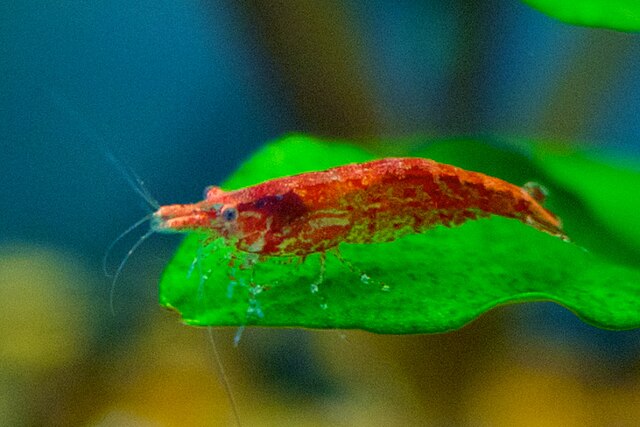
 © TheJammingYam ( talk ) / CC BY-SA 3.0
Cherry Shrimp
Cherry shrimp are small freshwater shrimp prized for their vivid red coloring, staying compact at just 2 to 3 cm as adults, which makes them a natural fit for planted aquariums. Beyond their good looks, they earn their keep by grazing on algae in the tank, and their calm temperament makes them easy to house alongside other peaceful species. Considered beginner-friendly, they also breed readily, so keepers can enjoy watching a small colony grow over time. Their willingness to eat algae, shrimp-specific food, and leftover flakes adds to their reputation as a hardy, low-maintenance choice for first-time keepers.
View Cherry Shrimp encyclopedia →0% commission on your first sales!Register by September 30, 2026 and your first 2 sales are commission-free!
Breeder Wanted!
List on BreederDirect and sell directly to customers nationwide!
Our 6 Transparency Commitments
All Tropical Fish listings include water quality, temperament, and tank size information from verified Breeder.
- Origin Disclosed
- Real Photos
- Water Quality Disclosed
- Recommended Tank Size
- Temperament Disclosed
- Breed Line Disclosed
Browse all 301 breeds
Water Type
Care Level
No listings match your filters
Adjust your filters, or get notified when new listings arrive.
Getting alerts is free with a member account. When new listings match your saved search, we'll notify you by email and in-app.
Browse other categories
Verified breeders (preview)
Are you raising tropical fish?
Register as a breeder and connect with buyers directly.
Apply as a breederAbout Cherry Shrimp
Cherry shrimp are small, vividly red freshwater shrimp known for grazing on algae. Easy to breed and beginner-friendly, they're a popular staple for planted aquariums.
7 things to know before welcoming a Cherry Shrimp
1Great Fit for Planted Tanks
Cherry shrimp actively move through plant thickets and are valued for grazing on algae. They also add a splash of color to planted aquascapes.
2Adult Size and Lifespan
As adults, cherry shrimp stay small at around 2 to 3 cm, making them manageable even without a large tank. Their typical lifespan is about 1 to 2 years.
3Peaceful Temperament
Cherry shrimp are very peaceful and generally mix well with other shrimp and small, gentle fish. That said, some tankmates may prey on them, so choose companions carefully.
4Sensitivity to Water Changes
As small crustaceans, cherry shrimp can be sensitive to sudden shifts in water parameters or pH. Take time with a slow acclimation process when introducing them to a new tank.
5Molting Cycle
Cherry shrimp molt periodically as they grow. Right after molting, their body is soft and vulnerable, so providing hiding spots in the tank helps them stay safe.
6Feeding Basics
Along with algae and leftover food, offering shrimp-specific food helps maintain a balanced diet. Keep portions in check, since uneaten food can degrade water quality.
7Easy to Breed
Cherry shrimp breed relatively easily, and given suitable conditions, a colony will grow naturally in the tank. It's worth planning ahead for extra tank space if the population increases.
Frequently asked questions about Cherry Shrimp
- Q.Is cherry shrimp subject to CITES?
- A.Cherry shrimp are not subject to CITES. They are not covered by international trade regulations under this framework.
- Q.Are cherry shrimp suitable for beginners?
- A.Yes, cherry shrimp are considered a beginner-friendly species. They are hardy and easy to care for, making them a good choice for first-time keepers.
- Q.How big do cherry shrimp grow?
- A.Cherry shrimp stay small even as adults, growing to about 2 to 3 cm. Their compact size makes them easy to keep even in smaller tanks.
- Q.What is the lifespan of cherry shrimp?
- A.Their typical lifespan is about 1 to 2 years, though it can vary somewhat depending on tank conditions.
- Q.Can cherry shrimp be kept with other fish?
- A.They can be kept with small, peaceful fish species. However, since they are quite small, avoid pairing them with fish that may prey on them.
Useful tools for Cherry Shrimp care
Learn more about Cherry Shrimp in the encyclopedia
View Cherry Shrimp encyclopedia entry →
Care difficulty, lifespan, size and diet — all basics covered.
Cherry Shrimp related articles
Freshwater Shrimp Algae-Removal Ability Comparison Guide | Differences and Uses of Yamato Amano Shrimp, Southern Amano Shrimp, and Cherry Shrimp
Explains the algae-removal abilities of different freshwater shrimp species for tank maintenance. Compares the algae-removal power, compatibility with fish, and cautions for Yamato Amano Shrimp, Southern Amano Shrimp, and Cherry Shrimp, introducing how to choose the right species for your tank environment.
Neocaridina (Cherry Shrimp) Complete Care Guide | Color Variations, Water Quality Management, and Breeding
Neocaridina shrimp (Cherry shrimp) are hardy and easy-to-breed freshwater shrimp, making them an ideal species for beginners. This guide explains abundant color variations like Red Cherry and Blue Dream, proper water quality management, filter selection, breeding methods, and tankmate compatibility for newcomers.
Complete Freshwater Shrimp Species Comparison Guide | Minami, Yamato, Red Cherry, Snowwhite, and Bee Shrimp Differences
A comprehensive comparison of 5 representative freshwater shrimp species (Minami Shrimp, Yamato Shrimp, Red Cherry Shrimp, Snowwhite Shrimp, and Bee Shrimp) across care difficulty, water quality requirements, price, and ease of breeding. The ultimate guide for those struggling to choose which species is right for them.
Freshwater Shrimp Breeding Guide | How to Breed Cherry Shrimp and Bee Shrimp
A detailed guide to successfully breeding Cherry Shrimp, Crystal Red, and Bee Shrimp, covering water quality management, temperature, aquatic plants, feeding, and juvenile shrimp care. We also introduce how to choose breeds that are easy for beginners to breed.
Shrimp and Tropical Fish Cohabitation Guide | Coexistence Tips with Cherry Shrimp
Learn how to safely keep Cherry Shrimp and Amano Shrimp with tropical fish. Discover how to select fish species that won't eat shrimp, create hiding places, build an environment for successful breeding, and important water quality management notes.
More in this category
Can't find the one you're looking for?
Post your wishes for free and breeders with matching animals will contact you with introductions.