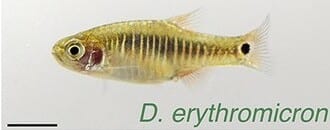
 © David M. Parichy / CC BY 4.0
Emerald Dwarf Rasbora
The Emerald Dwarf Rasbora is a tiny cyprinid fish, reaching only about 2cm in standard length, with an orange body crossed by iridescent green-blue stripes. Native exclusively to Myanmar's Inle Lake, this species shoals gracefully and brings a cool, shimmering presence to a tank. Males display deeper coloration than females, with a reddish tint on their fins that makes them easy to spot within a group. Their temperament is peaceful, making them a good match for tankmates of similar size. Because they prefer hard, slightly alkaline water and cooler temperatures than many relatives in their genus, they're best suited to keepers with some prior aquarium experience.
View Emerald Dwarf Rasbora encyclopedia →0% commission on your first sales!Register by September 30, 2026 and your first 2 sales are commission-free!
Breeder Wanted!
List on BreederDirect and sell directly to customers nationwide!
Our 6 Transparency Commitments
All Tropical Fish listings include water quality, temperament, and tank size information from verified Breeder.
- Origin Disclosed
- Real Photos
- Water Quality Disclosed
- Recommended Tank Size
- Temperament Disclosed
- Breed Line Disclosed
Browse all 301 breeds
Water Type
Care Level
No listings match your filters
Adjust your filters, or get notified when new listings arrive.
Getting alerts is free with a member account. When new listings match your saved search, we'll notify you by email and in-app.
Browse other categories
Verified breeders (preview)
Are you raising tropical fish?
Register as a breeder and connect with buyers directly.
Apply as a breederAbout Emerald Dwarf Rasbora
Emerald Dwarf Rasbora: a 2cm cyprinid native to Myanmar's Inle Lake, with an orange body and green-blue stripes. A peaceful shoaling fish suited to intermediate keepers.
7 things to know before welcoming a Emerald Dwarf Rasbora
1Water Chemistry
Native to Myanmar's Inle Lake, this species thrives in hard, slightly alkaline water. Standard tap water is often softer, so mineral supplementation can help maintain stable conditions. Introduce any water changes gradually to avoid shocking the fish.
2Prefers Cooler Water
Compared to related species in its genus, this rasbora prefers relatively cool water temperatures. Pay close attention during summer heat, and consider a cooling fan if temperatures climb too high.
3Tiny, Delicate Body
Adults reach a maximum size of only about 3cm. Because they're so small and delicate, avoid strong filter currents and tankmates that are much larger.
4Best Kept in a Shoal
This species shows its natural behavior best when kept in a shoal rather than alone. Watching males display their coloration to one another adds to the appeal of a shoaling group.
5Telling Males from Females
Males show deeper body coloration and a reddish tint on their fins. Females appear paler overall by comparison.
6Suited to Intermediate Keepers
Because water chemistry and temperature need close attention, this species is generally considered suitable for intermediate keepers. Regular water testing and consistent water changes are key to keeping them healthy.
7Provide Plenty of Cover
Being small and somewhat shy, they settle in better with plenty of plants or driftwood to hide among. It's also important to fully cycle the tank and stabilize water quality before bringing them home.
Frequently asked questions about Emerald Dwarf Rasbora
- Q.What tank size do I need?
- A.Since adults reach only about 2-3cm, they can be kept in a small tank. However, since they shoal naturally, a somewhat larger tank is reassuring when keeping several together.
- Q.Can they be kept with other fish?
- A.They're peaceful and do well with calm tankmates of similar size. Avoid pairing them with larger or more aggressive fish, since they're quite small.
- Q.What water temperature is best?
- A.They prefer somewhat cooler temperatures than many relatives in their genus, so aim slightly lower than typical tropical fish setups. Watch for seasonal temperature swings as well.
- Q.How can I tell males from females?
- A.Males have deeper body coloration and a reddish tint on their fins. Females look paler overall in comparison.
- Q.What should I feed them?
- A.Because their mouths are small, tiny pellets or finely crushed food work best. Foods marketed for small fish are a good starting point.
Useful tools for Emerald Dwarf Rasbora care
Learn more about Emerald Dwarf Rasbora in the encyclopedia
View Emerald Dwarf Rasbora encyclopedia entry →
Care difficulty, lifespan, size and diet — all basics covered.
Emerald Dwarf Rasbora related articles
See more Emerald Dwarf Rasbora articles →More in this category
Can't find the one you're looking for?
Post your wishes for free and breeders with matching animals will contact you with introductions.