Desktop Aquarium Guide to Ultra-Small Tropical Fish | Species and Care Methods for 15–20L Tanks
An introduction to ultra-small tropical fish suited for 15–20L compact aquariums that can be placed on a desktop. This guide explains the characteristics of eye-catching small species such as Boraras brigittae, Scarlet Gems, and Emerald Dwarf Rasboras, as well as compatibility considerations and layout tips.
Key Takeaways
An introduction to ultra-small tropical fish suited for 15–20L compact aquariums that can be placed on a desktop. This guide explains the characteristics of eye-catching small species such as Boraras brigittae, Scarlet Gems, and Emerald Dwarf Rasboras, as well as compatibility considerations and layout tips.
Related Species
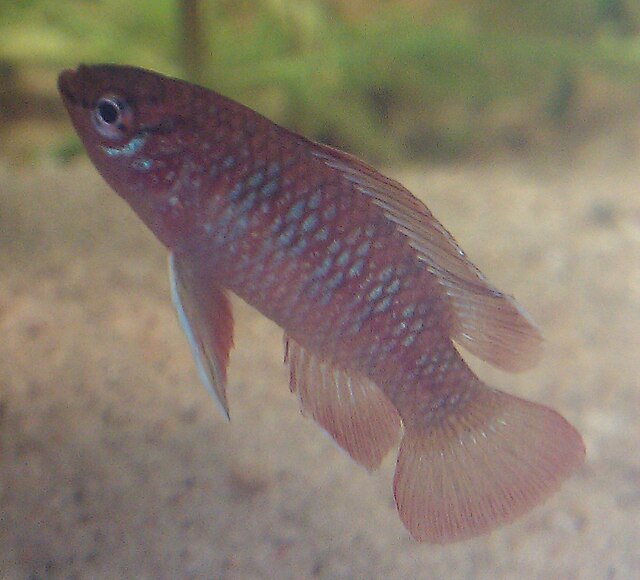
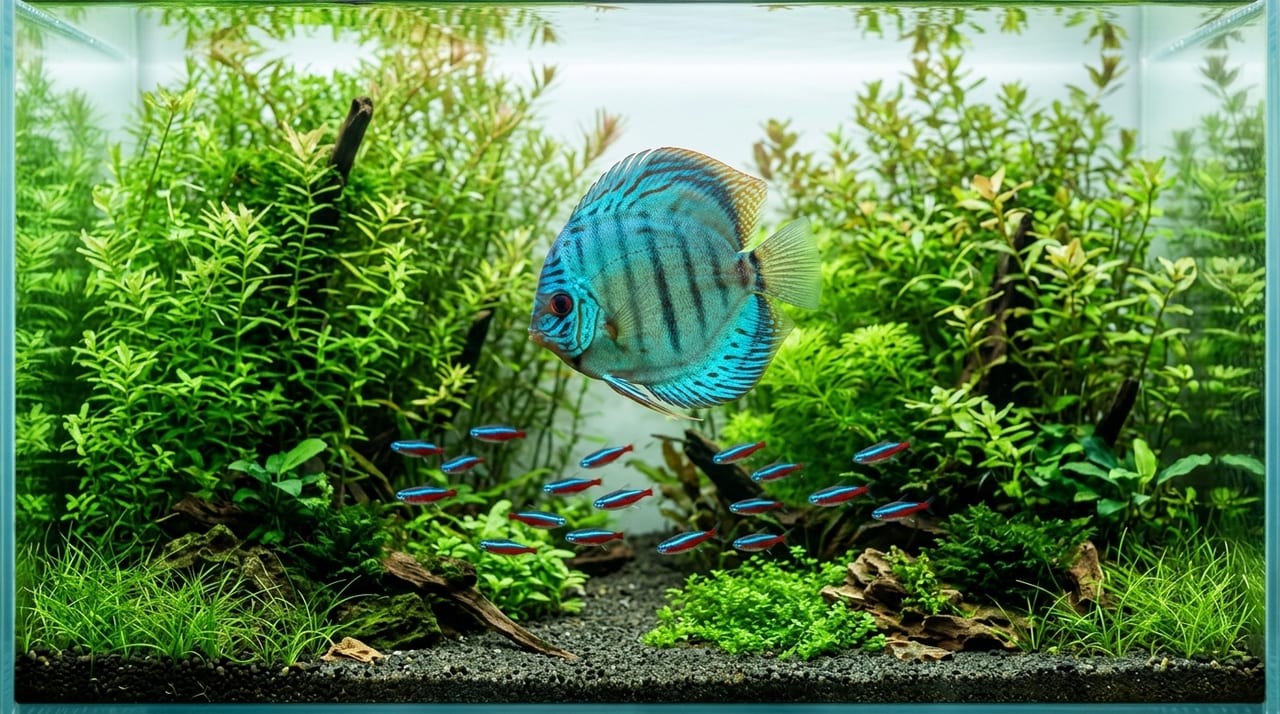
Limited aquarium space, or simply wanting a small aquatic world to enjoy quietly while working or studying—these needs are answered by creatures known as "nano fish," ultra-small tropical fish. Even at full maturity, species with body lengths of 2–3 cm or less can be adequately raised in compact 15–20L aquariums, and their delicate beauty offers a charm that larger fish cannot provide.
In this article, we introduce carefully selected nano fish suited to desk-sized aquariums and explain their characteristics and key care points.
What Are Nano Fish?
The term "nano fish" is not an academic classification, but rather a name that has become established among aquarium enthusiasts. Generally, it refers to ultra-small freshwater fish with adult body lengths of 3 cm or less, often around 2 cm.
Just because they are small does not mean their care can be careless. Rather, the smaller the water volume, the more prone it is to rapid water quality changes, and some species require specific water conditions (soft water, slightly acidic pH, etc.). Nano fish keeping also has a sophisticated aspect—precisely managing a small volume of water.
Seven Recommended Nano Fish
1. Boraras brigittae (Chili Rasbora)
Body length: 1–1.5 cm (one of the world's smallest vertebrates)
Even at full maturity, they measure only around 1 cm, with a smallness that transcends one's imagination. Their body color ranges from orange to reddish tones, vivid despite their tiny size. They are especially beautiful when kept in groups, and when dozens are schooled together in units of 30–50 individuals, red specks dancing through the water create an almost otherworldly scene.
Water quality: Soft water, slightly acidic (pH 5.5–7.0, hardness 5–10 dGH)
Temperature: 24–28°C
Care notes: Because they are extremely small, fry can only consume paramecia and infusoria. Even adults require powder-form microfine foods.
2. Scarlet Gem (Dwarf Badis)
Body length: 2–3 cm
A beautiful small fish with jewel-like red and blue gradations. It prefers live foods (frozen brine shrimp, daphnia), and while training it to accept artificial food requires some patience, it becomes manageable with time. It prefers relatively calm water flow and adapts well to planted aquariums.
Water quality: Soft water, slightly acidic to neutral (pH 6.0–7.5)
Temperature: 22–27°C
Care notes: Males may engage in minor squabbles with one another, but these do not result in serious injury.
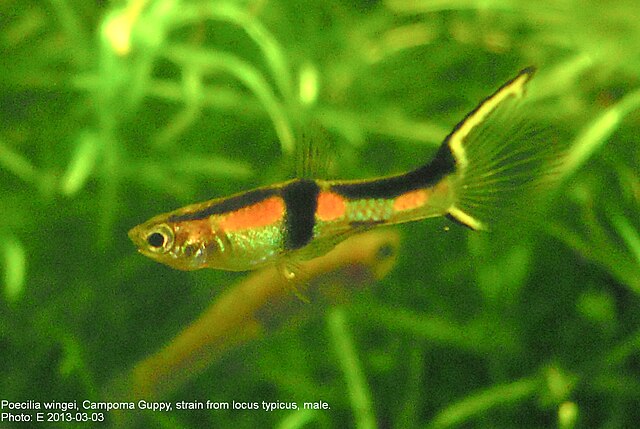
3. Endler's Livebearer (Endlers)
Body length: Males 1.5–2 cm, females 3–4 cm
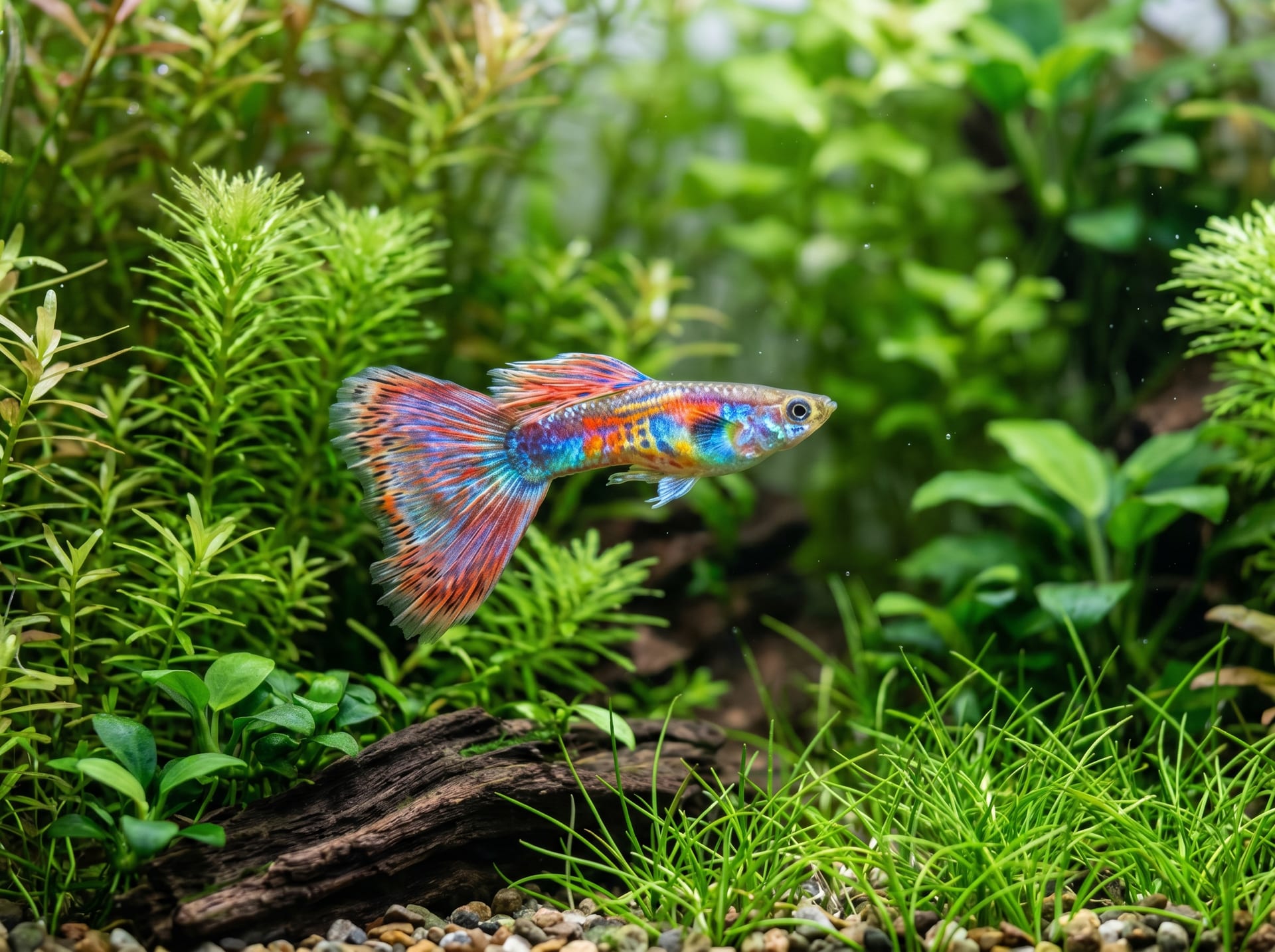
A wild relative of guppies, valued for the neon-colored body of males. Hardy and easy to breed, making them suitable for beginners. Smaller and more active than guppies, they can be kept and bred readily even in tanks of 20L or less.
Water quality: Neutral to slightly alkaline (pH 7.0–8.0)
Temperature: 24–28°C
Care notes: They have extremely high reproductive capacity, so be careful of overpopulation. To avoid hybridization with guppies, mixing them in the same tank is not recommended.
4. Microrasbora blue neon (Blue Neon)
Body length: 2–2.5 cm
A beautiful nano fish whose fluorescent blue body stands out in schooling. They have excellent compatibility with planted aquariums, and the sight of blue light scattered among green plants is truly remarkable.
Water quality: Soft water, slightly acidic (pH 5.5–7.0)
Temperature: 24–28°C
Care notes: They are sensitive to deteriorating water quality, so regular water changes and filtration are essential.
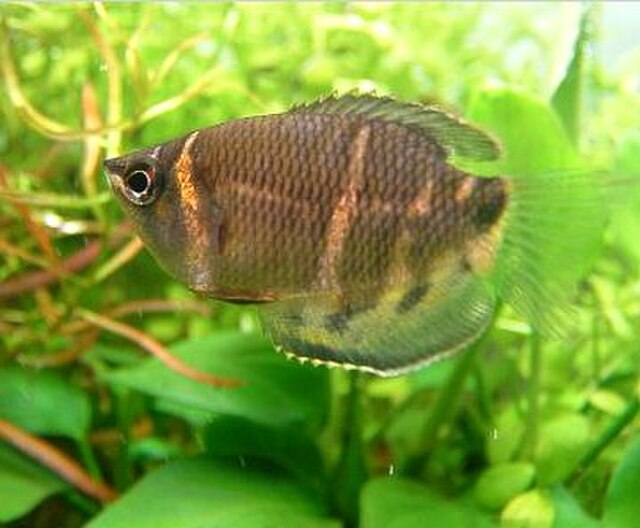
5. Chocolate Gourami
Body length: 4–5 cm (somewhat larger among nano fish)
With rich chocolate-brown coloring and fine line patterns, it possesses a unique beauty. An extremely delicate species requiring soft water and slightly acidic conditions. Though moderately challenging, it is popular among advanced aquarists for its beauty.
Water quality: Very soft water, slightly acidic (pH 4.5–6.5, hardness 3–6 dGH)
Temperature: 26–30°C
Care notes: Highly sensitive to water quality. The use of RO water or humic substances (blackwater) is effective. They are prone to infection, so quarantine new specimens carefully.
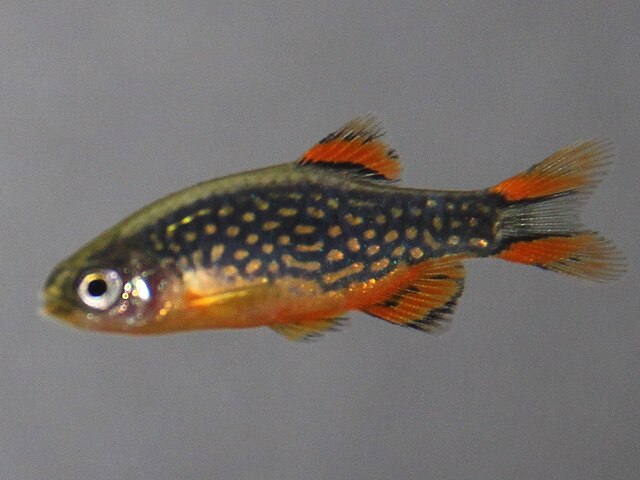
6. Fireworks Rasbora (Celestial Pearl Danio)
Body length: 2–3 cm
A beautiful small fish with a "galaxy-like pattern," characterized by white spots scattered across its entire body. It stands out in planted aquariums and can be schooled even in tanks of 20L or less. Hardy and easy to keep, it is one of the nano fish suitable for beginners.
Water quality: Neutral to slightly alkaline (pH 7.0–8.0)
Temperature: 22–26°C
Care notes: Because they are active swimmers, a cover is essential. They spawn among plant roots and on the substrate; watch for egg cannibalism by adults.
7. Microrasbora danyi (Pearl Microrasbora)
Body length: Approximately 2 cm
A rare species with an allure of small pearl-like patterns scattered across its body. Native to Southeast Asia, where it inhabits waterways and rice paddies. Relatively easy to keep, its quiet schooling in a small tank provides a sense of calm.
Water quality: Neutral to slightly acidic (pH 6.0–7.5)
Temperature: 22–27°C
Choosing a Desktop Aquarium
Water Volume Guidelines
Even for nano fish, we recommend securing a minimum of 10L or more. The smaller the water volume, the more rapid water quality changes become, making health management difficult. For a desk-mounted setup, 15–20L (approximately 30–36 cm wide) offers a practical balance.
Using All-in-One Aquariums
For desktop aquariums, all-in-one models with integrated filter, lighting, and heater are convenient. They offer simple wiring and a clean appearance. However, the built-in filter's flow may sometimes be too strong for nano fish, so choose a model with adjustable flow.
The Need for a Cover
Most nano fish are prone to jumping out, so always use a covered aquarium. Jumping accidents can surprisingly often be fatal.
Feeding Nano Fish
Standard tropical fish food can be too large for ultra-small nano fish.
- Powder-form food: For ultra-small species like Boraras brigittae
- Micro pellets: Suitable for most nano fish. Choose pellets 0.5 mm or smaller
- Frozen baby brine shrimp: Effective for nano fish that prefer live foods
- Paramecia and infusoria: Necessary for the smallest species and fry
Considerations for Tankmate Compatibility
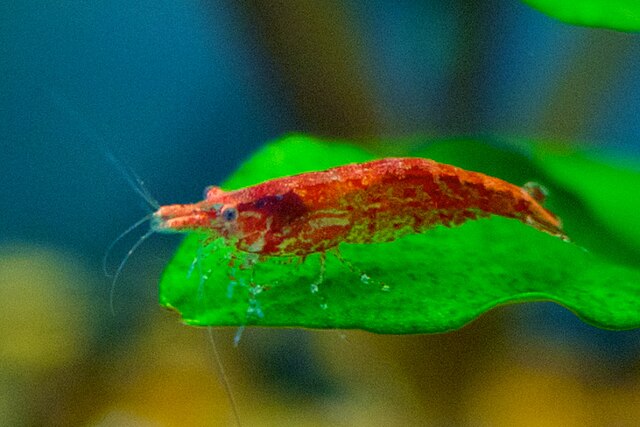
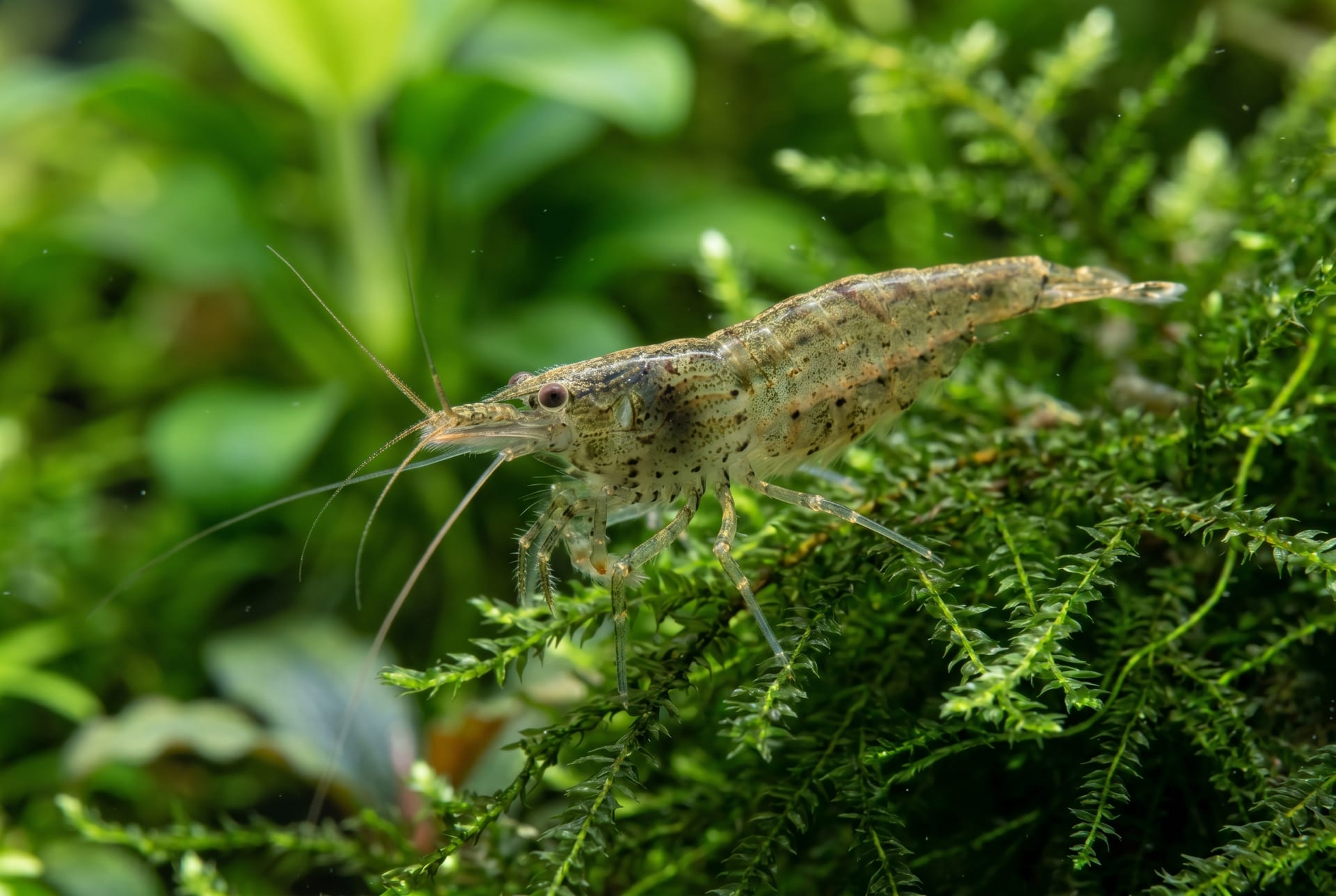
Because nano fish are small, they can be preyed upon by any fish large enough to swallow them. When stocking a community tank, choose mild-mannered species of similar size or smaller. Amano shrimp and Cherry shrimp are generally compatible, though very small juvenile shrimp may be predated upon.
Welcoming Nano Fish with BreederDirect
BreederDirect hosts breeders who specialize in nano fish. Rare nano fish not often found in shops and captive-bred specimens are frequently listed. Confirming "water quality and feeding conditions" with the breeder before purchase will make your setup smooth after bringing them home. Discover a compact aquatic world on BreederDirect.