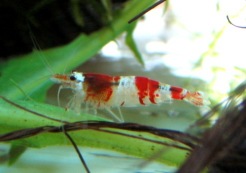
 © Cookie2007 / Public domain
Bee Shrimp
Bee shrimp are small freshwater shrimp prized for their striking red-and-white or black-and-white banded patterns. Reaching just 2 to 3 cm as adults, they're a favorite for planted aquascapes, where their gentle, shy nature and peaceful schooling behavior make them a calming presence rather than a threat to tankmates. That said, bee shrimp are sensitive to shifts in water quality and are generally considered a species for experienced keepers who can maintain stable, well-managed conditions. They feed on dedicated shrimp foods and the microorganisms present in a mature tank, and many keepers also enjoy their light algae-grazing habit. With a typical lifespan of one to two years, bee shrimp offer a rewarding challenge for hobbyists interested in breeding as well as everyday care.
View Bee Shrimp encyclopedia →0% commission on your first sales!Register by September 30, 2026 and your first 2 sales are commission-free!
Breeder Wanted!
List on BreederDirect and sell directly to customers nationwide!
Our 6 Transparency Commitments
All Tropical Fish listings include water quality, temperament, and tank size information from verified Breeder.
- Origin Disclosed
- Real Photos
- Water Quality Disclosed
- Recommended Tank Size
- Temperament Disclosed
- Breed Line Disclosed
Browse all 301 breeds
Water Type
Care Level
No listings match your filters
Adjust your filters, or get notified when new listings arrive.
Getting alerts is free with a member account. When new listings match your saved search, we'll notify you by email and in-app.
Browse other categories
Verified breeders (preview)
Are you raising tropical fish?
Register as a breeder and connect with buyers directly.
Apply as a breederAbout Bee Shrimp
Bee shrimp are small freshwater shrimp known for bold red-and-white or black-and-white patterns. Sensitive to water quality and best suited to experienced keepers, with a lifespan of 1-2 years and an adult size of 2-3cm.
7 things to know before welcoming a Bee Shrimp
1Stable water quality first
Bee shrimp are highly sensitive to sudden shifts in water parameters like pH, temperature, and TDS. Frequent small water changes, rather than large infrequent ones, help keep conditions stable and reduce stress.
2Why it's for experienced keepers
Because bee shrimp are extremely sensitive to ammonia and nitrite, they should only be added to a tank with fully established biological filtration, not a freshly cycled one. Regular water testing is an important habit for keepers of this species.
3Peaceful temperament and tankmates
Bee shrimp are peaceful and never aggressive toward tankmates. Because of their small size, they should not be housed with fish that may see them as prey — small, calm species or a shrimp-only setup work best.
4Hiding places in the layout
Providing plenty of hiding spots — plants, moss, and driftwood — gives bee shrimp a safe place to retreat, especially right after molting when they're most vulnerable. A varied layout with plenty of cover also helps reduce stress.
5Diet and feeding
Bee shrimp graze naturally on biofilm and algae in the tank, supplemented with small amounts of dedicated shrimp food. Uneaten food can quickly foul the water, so it's best to offer only what they can finish.
6Molting is a sign of health
Like all shrimp, bee shrimp molt regularly as they grow. Right after molting, their shell is soft and they're especially vulnerable, so it's best to avoid disturbing the tank — leaving the shed exoskeleton in place is fine, since they often consume it for calcium.
7Tank prep before bringing them home
Before bringing bee shrimp home, make sure the tank is fully cycled with stable filtration. Acclimate them slowly using a drip method rather than a quick adjustment, since sudden changes in water chemistry are especially stressful for them.
Frequently asked questions about Bee Shrimp
- Q.Can beginners keep bee shrimp?
- A.Bee shrimp are considered a species for experienced keepers due to their sensitivity to water quality changes. They're best suited to hobbyists who already have some aquarium experience and are comfortable monitoring water parameters.
- Q.Can bee shrimp live with other fish?
- A.Bee shrimp are peaceful, but their small size makes them vulnerable to fish that may prey on them. Small, calm tankmates or a shrimp-only tank are generally the safest choice.
- Q.How big do bee shrimp grow?
- A.Bee shrimp stay quite small, reaching only about 2 to 3 cm as adults. This compact size makes them well suited to smaller planted tanks.
- Q.How long do bee shrimp live?
- A.Bee shrimp typically live around one to two years. Maintaining stable water quality is key to helping them live out a healthy life.
- Q.Can bee shrimp breed in a home aquarium?
- A.Yes, bee shrimp can breed in a tank with stable water quality and a suitable environment. Since the young are extremely small and delicate, providing plenty of hiding places and a calm, undisturbed setup helps them survive.
Useful tools for Bee Shrimp care
Learn more about Bee Shrimp in the encyclopedia
View Bee Shrimp encyclopedia entry →
Care difficulty, lifespan, size and diet — all basics covered.
Bee Shrimp related articles
Complete Freshwater Shrimp Species Comparison Guide | Minami, Yamato, Red Cherry, Snowwhite, and Bee Shrimp Differences
A comprehensive comparison of 5 representative freshwater shrimp species (Minami Shrimp, Yamato Shrimp, Red Cherry Shrimp, Snowwhite Shrimp, and Bee Shrimp) across care difficulty, water quality requirements, price, and ease of breeding. The ultimate guide for those struggling to choose which species is right for them.
Freshwater Shrimp Breeding Guide | How to Breed Cherry Shrimp and Bee Shrimp
A detailed guide to successfully breeding Cherry Shrimp, Crystal Red, and Bee Shrimp, covering water quality management, temperature, aquatic plants, feeding, and juvenile shrimp care. We also introduce how to choose breeds that are easy for beginners to breed.
More in this category
Can't find the one you're looking for?
Post your wishes for free and breeders with matching animals will contact you with introductions.