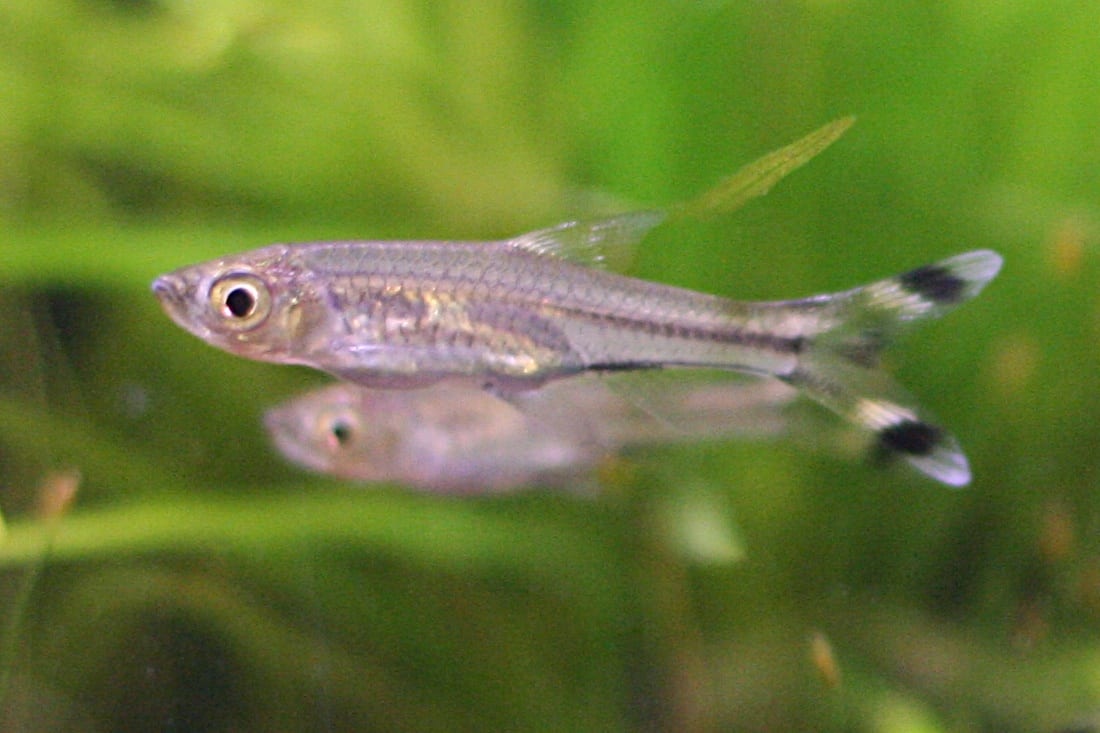
 © Lerdsuwa / CC BY-SA 3.0
Scissortail Rasbora
The Scissortail Rasbora is a medium-sized schooling fish known for its silvery body and the bold black-and-white bands marking the upper and lower lobes of its tail fin. Its name comes from a distinctive habit: when at rest, it opens and closes its forked tail in a scissor-like motion. Calm-tempered and rarely aggressive, this hardy fish adapts well to typical aquarium conditions, making it a solid choice for anyone new to the hobby. As a natural shoaling species, keeping a good-sized group in a roomy tank brings out its schooling behavior at its best, and it mixes easily with other peaceful community fish.
View Scissortail Rasbora encyclopedia →0% commission on your first sales!Register by September 30, 2026 and your first 2 sales are commission-free!
Breeder Wanted!
List on BreederDirect and sell directly to customers nationwide!
Our 6 Transparency Commitments
All Tropical Fish listings include water quality, temperament, and tank size information from verified Breeder.
- Origin Disclosed
- Real Photos
- Water Quality Disclosed
- Recommended Tank Size
- Temperament Disclosed
- Breed Line Disclosed
Browse all 301 breeds
Water Type
Care Level
No listings match your filters
Adjust your filters, or get notified when new listings arrive.
Getting alerts is free with a member account. When new listings match your saved search, we'll notify you by email and in-app.
Browse other categories
Verified breeders (preview)
Are you raising tropical fish?
Register as a breeder and connect with buyers directly.
Apply as a breederAbout Scissortail Rasbora
A hardy, peaceful medium-sized rasbora with a silver body and a black-and-white banded tail, known for its scissor-like tail motion — an easy pick for community tanks.
7 things to know before welcoming a Scissortail Rasbora
1Tank size to plan for
Scissortail Rasboras can grow to around 13 cm, so give them a tank with enough open swimming space to match their size. This matters especially when keeping a group, since a cramped tank limits their natural schooling behavior.
2Best kept in a group
These fish are natural shoalers and tend to become skittish or hide when kept in very small numbers. Keeping a reasonably sized group lets you see their natural schooling behavior at its best.
3Peaceful and community-friendly
Scissortail Rasboras have a peaceful temperament and rarely bother other fish. They pair well with similarly sized, calm tankmates, making them a good fit for lively community aquariums.
4The scissor tail motion is normal
When resting, this fish opens and closes the two lobes of its tail like a pair of scissors — a natural, species-specific behavior, not a sign of illness.
5Hardy and beginner-friendly
This species is considered beginner-friendly and adapts well to typical aquarium conditions. That said, sudden shifts in water quality can still stress any fish, so make water changes gradually.
6Prepare the tank before arrival
Before bringing fish home, make sure the tank is fully cycled with a stable filter and established water parameters. Take time to properly acclimate new arrivals rather than releasing them straight into the tank.
7Daily health checks
Get in the habit of watching daily behavior — swimming pattern, appetite, and body color. If you notice unusual movement or changes like white spots, check water quality and the fish's condition promptly.
Frequently asked questions about Scissortail Rasbora
- Q.Is the Scissortail Rasbora suitable for beginners?
- A.Yes — it's considered a beginner-friendly fish thanks to its hardiness and tolerance for typical aquarium conditions. That said, basic water quality maintenance and regular water changes are still important.
- Q.Can it be kept with other fish?
- A.Its peaceful temperament makes it easy to combine with similarly sized, calm-natured tankmates. It's best to avoid pairing it with very small fish or aggressive species.
- Q.How big does it grow?
- A.It can reach up to about 13 cm. Actual growth rate and final size vary depending on the individual fish and its care.
- Q.How many should be kept together?
- A.Since it's a natural schooling fish, it's best to keep a group of several or more together. Too few individuals can make them skittish and less likely to display their natural schooling behavior.
- Q.Why does it open and close its tail like scissors?
- A.The scissor-like motion it shows while resting is a natural, species-specific behavior. It isn't a sign of poor health, so there's no need to be concerned about it.
Useful tools for Scissortail Rasbora care
Learn more about Scissortail Rasbora in the encyclopedia
View Scissortail Rasbora encyclopedia entry →
Care difficulty, lifespan, size and diet — all basics covered.
More in this category
Can't find the one you're looking for?
Post your wishes for free and breeders with matching animals will contact you with introductions.