 © Oorenotsoo / Public domain
Red Nose Shrimp
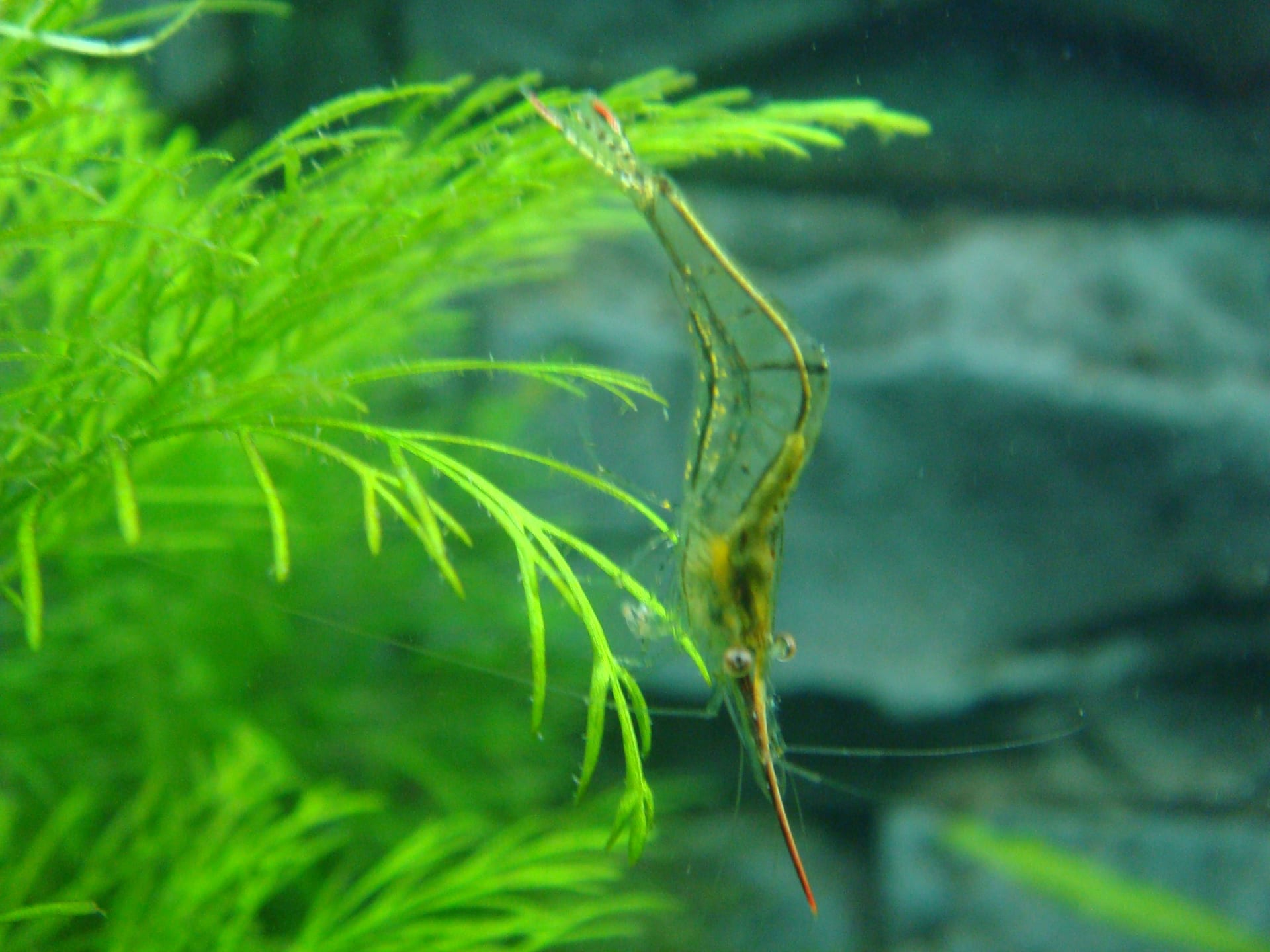
The Red Nose Shrimp is a freshwater shrimp known for its striking red, elongated rostrum that extends forward from an almost transparent body. If the rostrum breaks off, it will regenerate over time, so there's no need to worry too much about lasting damage to its appearance. Native to brackish and freshwater habitats, this shrimp grazes on algae and can help keep tank surfaces clean. Because breeding requires brackish water conditions, sustained captive breeding in a standard freshwater tank is difficult. Best suited to keepers with some prior experience, it's a great pick for anyone drawn to the contrast between its clear body and vivid red nose.
View Red Nose Shrimp encyclopedia →0% commission on your first sales!Register by September 30, 2026 and your first 2 sales are commission-free!
Breeder Wanted!
List on BreederDirect and sell directly to customers nationwide!
Our 6 Transparency Commitments
All Tropical Fish listings include water quality, temperament, and tank size information from verified Breeder.
- Origin Disclosed
- Real Photos
- Water Quality Disclosed
- Recommended Tank Size
- Temperament Disclosed
- Breed Line Disclosed
Browse all 301 breeds
Water Type
Care Level
No listings match your filters
Adjust your filters, or get notified when new listings arrive.
Getting alerts is free with a member account. When new listings match your saved search, we'll notify you by email and in-app.
Browse other categories
Verified breeders (preview)
Are you raising tropical fish?
Register as a breeder and connect with buyers directly.
Apply as a breederRed Nose Shrimp key facts
- Care level
- Intermediate
- Lifespan
- 2-3 years
- Size
- 35-40mm
- Temperature
- 20〜28℃
- Diet
- Biofilm, algae and prepared shrimp foods
- Tank
- Provide open space along with stones and wood where algae and biofilm can grow. The long rostrum is easily broken in a layout full of narrow gaps, and a lid guards against escapes.
- Water Temperature & Quality
- A temperature of 20-28C and pH 6.5-7.5 are the usual guide. It is naturally a brackish-water species but does well in a freshwater tank given enough food and vegetation.
- Tank Mates
- Peaceful and generally untroubled alongside shrimp of similar size. It is small enough to be eaten, so keep it from shrimp-eating fish. Its swimming is conspicuous, so calm tank mates make it easier to watch.
- Diet & Feeding
- An algae eater that grazes algae and biofilm from stones and plants. It loses condition if the tank runs short of algae, so supplement with small amounts of sinking shrimp food.
- Breeding & Spawning
- It will not breed in a freshwater tank: mating itself takes place only in brackish water, and the larvae need brackish water to develop. Gravid females carry many green eggs, but the larvae do not survive in fresh water.
- Health & Notes
- The rostrum regrows after breaking, but watch for infection immediately afterwards. It is defenceless just after moulting, so provide plenty of cover, and never use copper-based fish medications, which are toxic to shrimp.
About Red Nose Shrimp
A freshwater shrimp with a nearly transparent body and a vivid red rostrum. Native to brackish-to-freshwater habitats, it grazes on algae and suits keepers with some prior experience.
7 things to know before welcoming a Red Nose Shrimp
1Brackish-to-Freshwater Origins
This species naturally occurs from brackish to freshwater habitats, but in the aquarium it does best in a stable freshwater setup. Because it's sensitive to sudden water changes, take your time acclimating new arrivals.
2The Signature Red Rostrum
Its most distinctive feature is the long red rostrum extending from an almost transparent body. It may break if bumped against decor, but it regenerates over time.
3A Natural Algae Grazer
This shrimp feeds mainly on algae, making it a useful helper for controlling algae growth in the tank. Supplementing with prepared foods helps keep its diet balanced.
4Breeding in Tanks Is Difficult
Because reproduction requires brackish water, sustained breeding in a standard freshwater tank is difficult. It's best to focus on keeping existing shrimp healthy long-term rather than expecting them to multiply.
5Sensitive to Water Changes
This shrimp is sensitive to sudden shifts in temperature, pH, and hardness. Change water gradually and in small amounts to avoid shocking it.
6Provide Plenty of Hiding Spots
It naturally seeks cover, so driftwood, plants, and shelters help it feel secure. Hiding places are especially important right after molting.
7Choose Tankmates Carefully
As a calm, small species, it can be stressed or preyed upon by larger or more aggressive fish. Choose peaceful tankmates that won't harm shrimp.
Frequently asked questions about Red Nose Shrimp
- Q.Is the Red Nose Shrimp suitable for beginners?
- A.This species is generally considered suitable for intermediate keepers. Because it's sensitive to sudden water changes, prior aquarium experience and careful water management are recommended.
- Q.Can it breed inside a home aquarium?
- A.Breeding requires brackish water, so sustained reproduction in a standard freshwater tank is difficult. It's better to focus on keeping your shrimp healthy long-term rather than expecting offspring.
- Q.What happens if the rostrum breaks?
- A.The rostrum is known to regenerate over time if it breaks. There's no need for excessive concern — just keep water conditions stable and monitor the shrimp.
- Q.What tankmates work well with this shrimp?
- A.Being small and peaceful, it can be stressed or preyed upon by larger or aggressive fish. Calm species that won't harm shrimp make the best companions.
- Q.How large does it grow?
- A.Adults typically reach about 35 to 40mm in length. Use this as a guide when planning tank space.
Useful tools for Red Nose Shrimp care
Learn more about Red Nose Shrimp in the encyclopedia
View Red Nose Shrimp encyclopedia entry →
Care difficulty, lifespan, size and diet — all basics covered.
More in this category
Can't find the one you're looking for?
Post your wishes for free and breeders with matching animals will contact you with introductions.