Source: Wikimedia Commons
Red Nose Shrimp
IntermediateGracidina gracilirostris
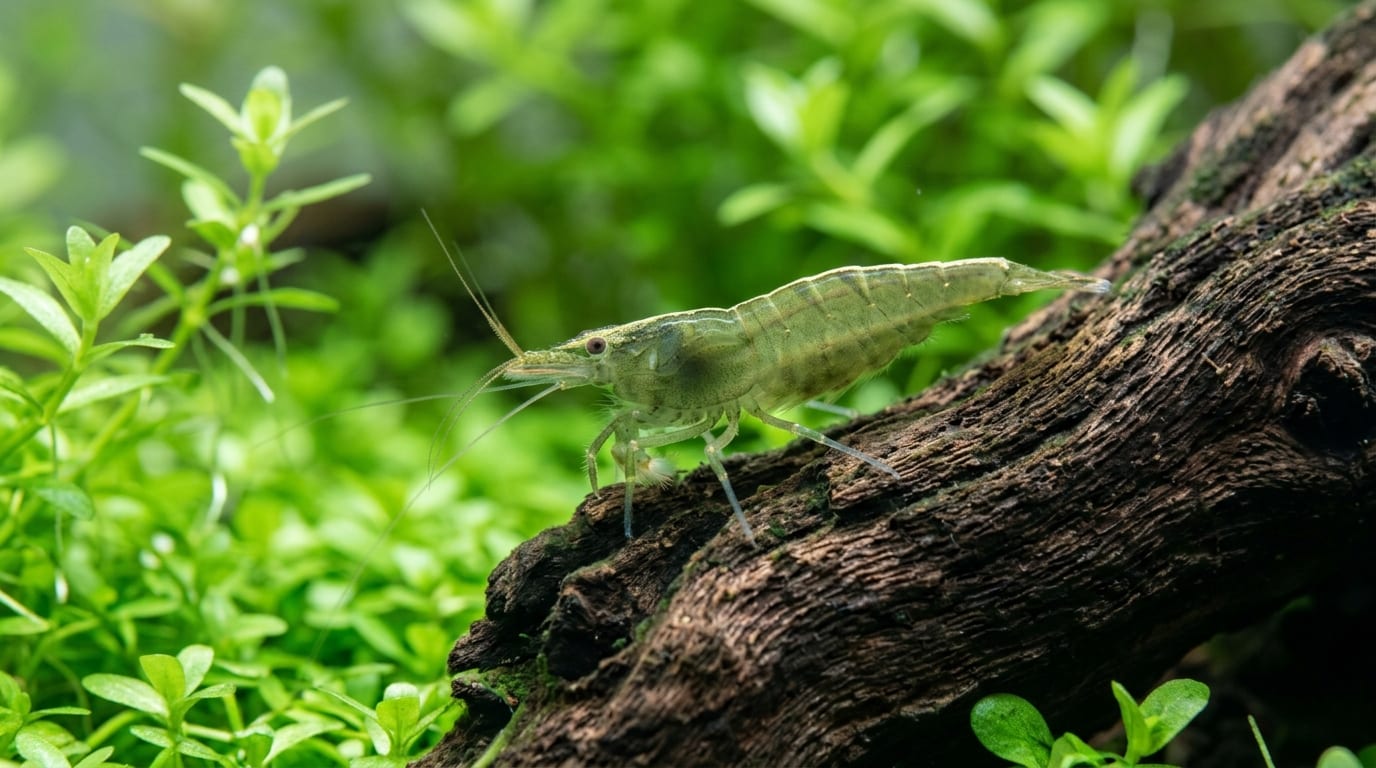
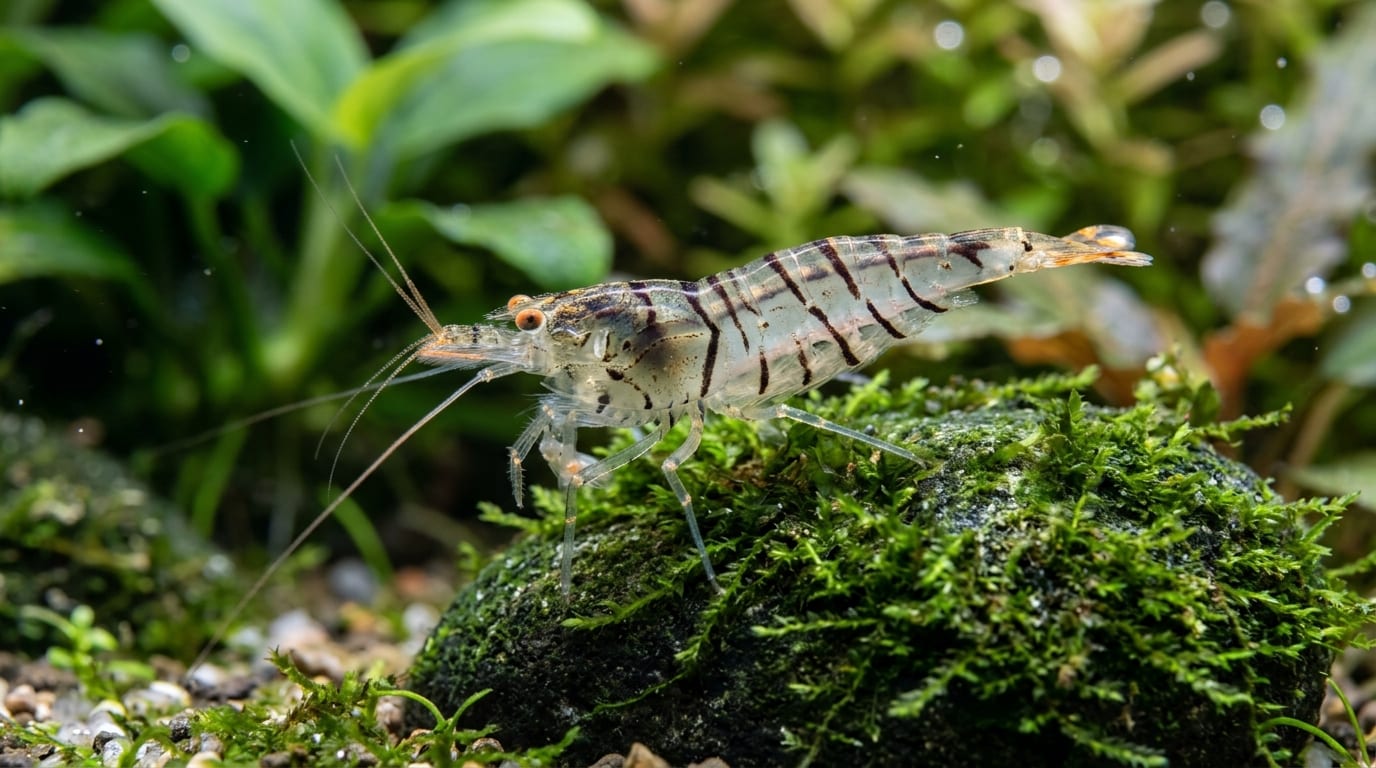
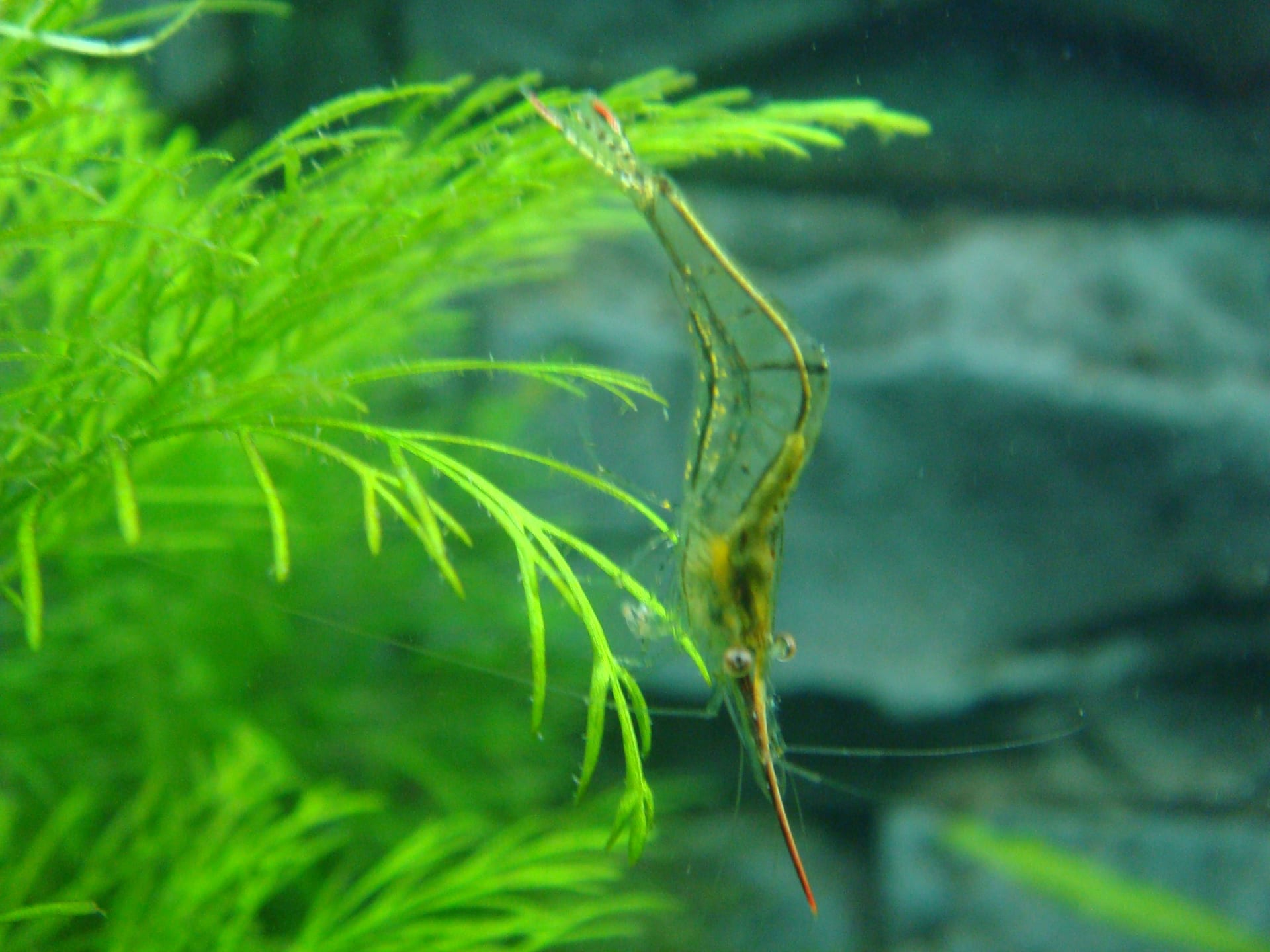
A nearly transparent freshwater shrimp with a long red rostrum projecting forward, which regrows if broken. It lives in brackish and fresh water and eats algae, but needs brackish water to breed, so raising generations in the aquarium is hard.
Difficulty
Intermediate
Temperature
20〜28℃
Lifespan
2-3 years
Size
35-40mm
Diet
Biofilm, algae and prepared shrimp foods
About
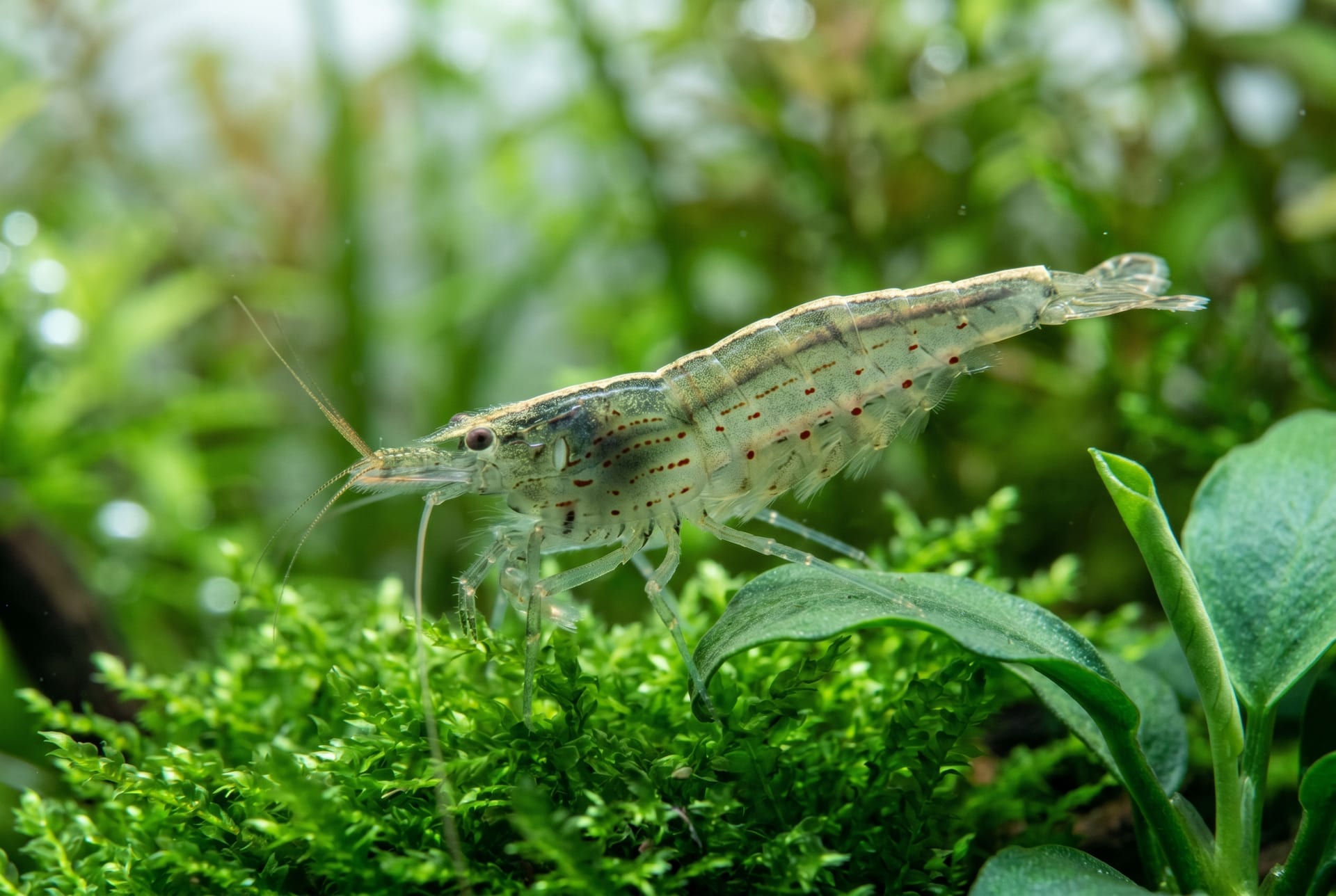
Gracidina gracilirostris is an atyid shrimp of brackish water ranging from Japan and Fiji through Indonesia to Madagascar. SeaLifeBase treats it as a benthic species of fresh and brackish water, and it lives in mangroves and marshes feeding on algae. The body is nearly transparent, and the long red rostrum projecting from the head is its defining feature, carrying small tight spines beneath and larger, more scattered ones above; it regrows if broken off. Males show red lines along the flanks while females are paler and more transparent, and both have a distinct hump on the abdomen. Adults reach 3.5-4cm. It is peaceful and coexists with shrimp of similar size. Breeding is difficult because it mates only in brackish water and the larvae need brackish water to develop. Gravid females carry large numbers of green eggs. It is not listed by CITES.
Source: Wikipedia (CC BY-SA 4.0)
Lifespan of the Red Nose Shrimp
The Red Nose Shrimp lives 2-3 years.
Size of the Red Nose Shrimp
The Red Nose Shrimp grows to 35-40mm.
Temperature & humidity for the Red Nose Shrimp
The ideal temperature for the Red Nose Shrimp is 20〜28℃.
Basic Info
Origin
Indo-West Pacific (Japan and Fiji through Indonesia to Madagascar)
Lifespan
2-3 years
Care Specifications
- pH
- 6.5–7.5
- Water Temp.
- 20–28℃
PeacefulGroupBreeding: Very hard
Sources: Wikipedia (Caridina gracilirostris) / SeaLifeBase / WoRMS
References & Sources
Edited & verified by: BreederDirect editorial team
The taxonomic, regulatory, and husbandry data on this page are compiled and verified against the authoritative primary sources below.
Taxonomy & Authority
Accepted name: Gracidina gracilirostris (De Man, 1892)
Synonyms: Caridina gracilirostris
Authority databases: GBIF
Nomenclature follows global taxonomic authority databases.
Regulations & Conservation Status
Not CITES-listed
Sources: CITES Appendices (species not listed) / IUCN Red List
Regulations may change. Always verify the latest information with the relevant authorities.
Red Nose Shrimp Listings
Loading latest listingsFind listings for this species