AI-generated image
Tiger Shrimp
IntermediateCaridina mariae
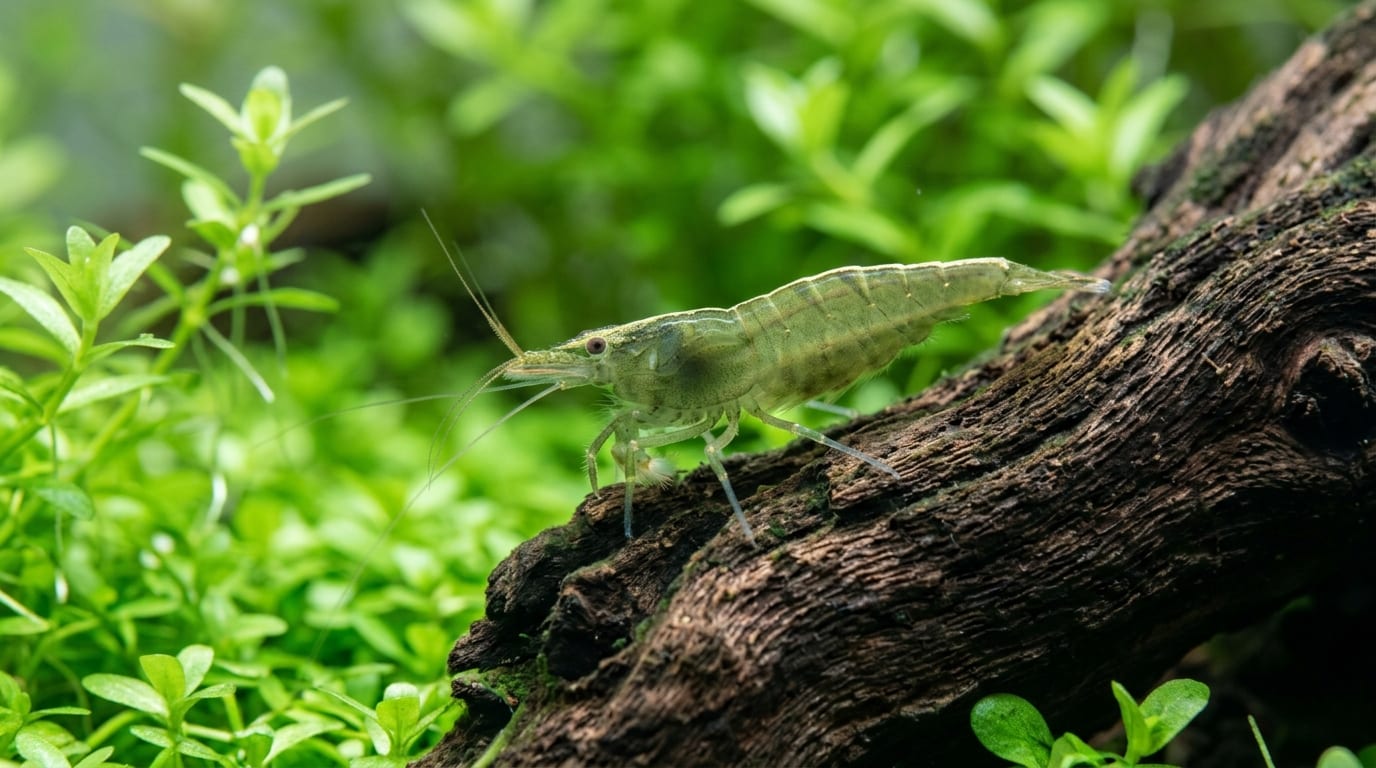
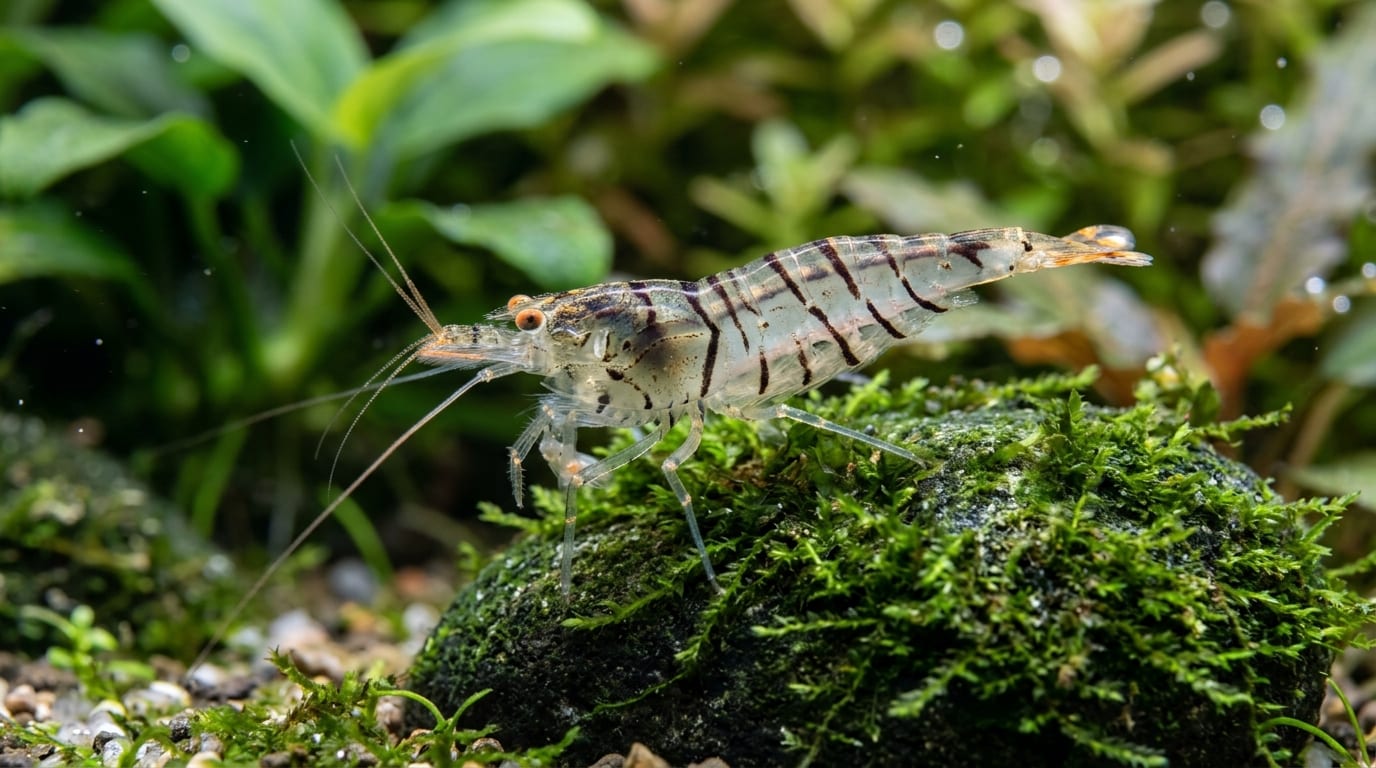
A small freshwater shrimp, semi-transparent with dark brown to black striping that is narrower and more sharply defined than in bee shrimp. It wants clean soft water at a cooler temperature and is sensitive to changes.
Difficulty
Intermediate
Temperature
18〜24℃
Lifespan
1-2 years
Size
25-38mm
Diet
Biofilm, algae and prepared shrimp foods
About
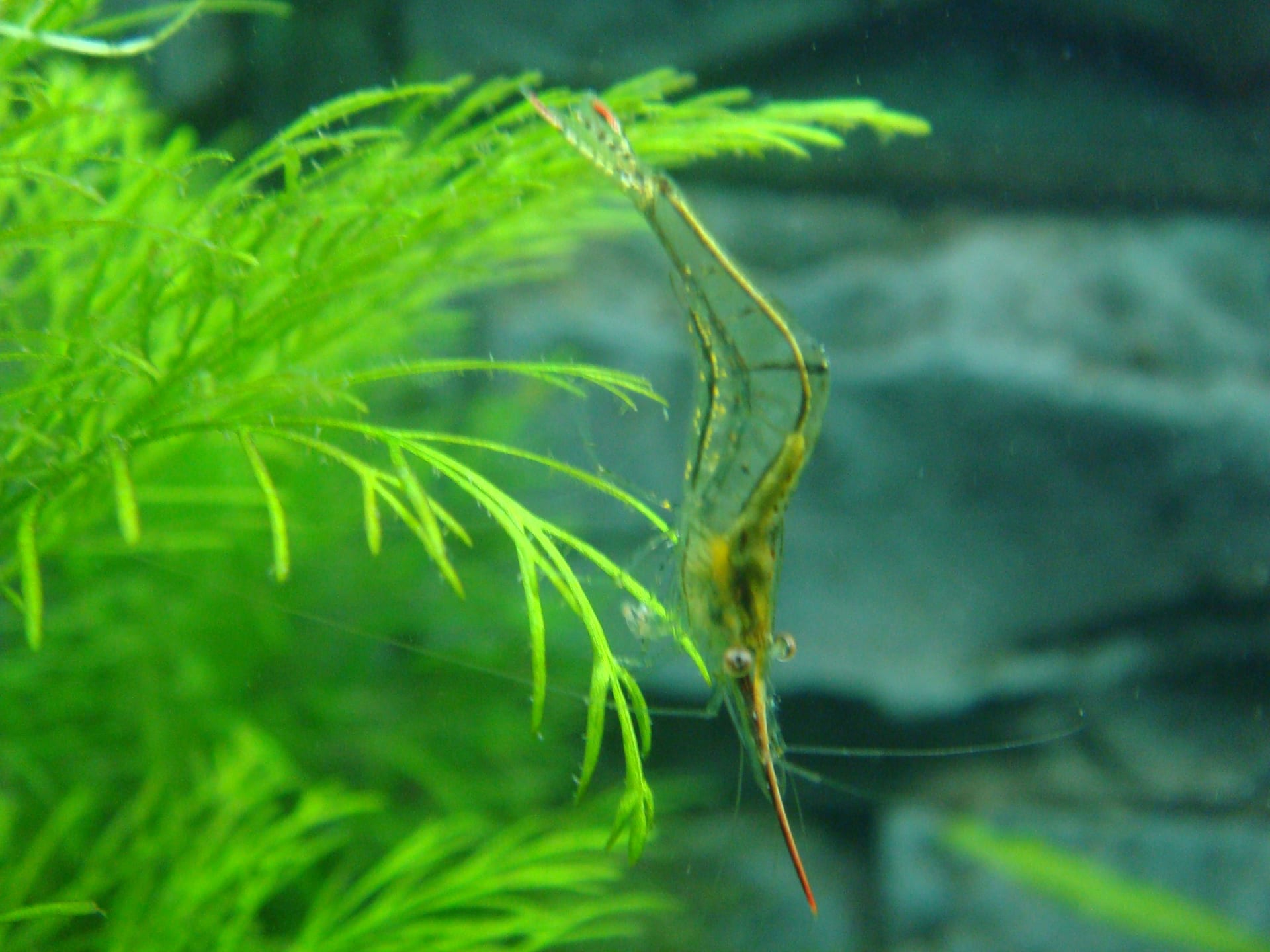
Caridina mariae is a freshwater shrimp from Yingde and Conghua in Guangdong province of southern China and from Hong Kong. Dark brown to black bars cross the carapace and abdomen of its semi-transparent body, which is what gives it its name, and some individuals also show orange eyes or orange in the tail fan. Some accounts give about 22mm, so reported sizes vary. Breeding is completed in fresh water: there is a single lecithotrophic larval stage that does not feed, and the young walk like miniature adults from hatching. Gestation is about thirty days. Young shrimp are easily drawn into filters, so intakes need guarding. WoRMS accepts the description by Klotz and von Rintelen, 2014.
Source: Wikipedia (CC BY-SA 4.0)
Lifespan of the Tiger Shrimp
The Tiger Shrimp lives 1-2 years.
It reaches 25-38mm, with females larger and rounder-bellied, and prefers clean soft water at pH 6.0-7.5, ideally around 6.5, and 18-24C, with a lifespan of one to two years.
Size of the Tiger Shrimp
The Tiger Shrimp grows to 25-38mm.
Temperature & humidity for the Tiger Shrimp
The ideal temperature for the Tiger Shrimp is 18〜24℃.
Basic Info
Origin
Southern China (Yingde and Conghua, Guangdong) and Hong Kong
Lifespan
1-2 years
Care Specifications
References & Sources
Edited & verified by: BreederDirect editorial team
The taxonomic, regulatory, and husbandry data on this page are compiled and verified against the authoritative primary sources below.
Taxonomy & Authority
Accepted name: Caridina mariae Klotz & von Rintelen, 2014
Authority databases: GBIF
Nomenclature follows global taxonomic authority databases.
Regulations & Conservation Status
Not CITES-listed
Sources: CITES Appendices (species not listed) / IUCN Red List
Regulations may change. Always verify the latest information with the relevant authorities.
Tiger Shrimp Listings
Loading latest listingsFind listings for this species