Source: Wikimedia Commons
Ramshorn Snail
BeginnerIndoplanorbis exustus
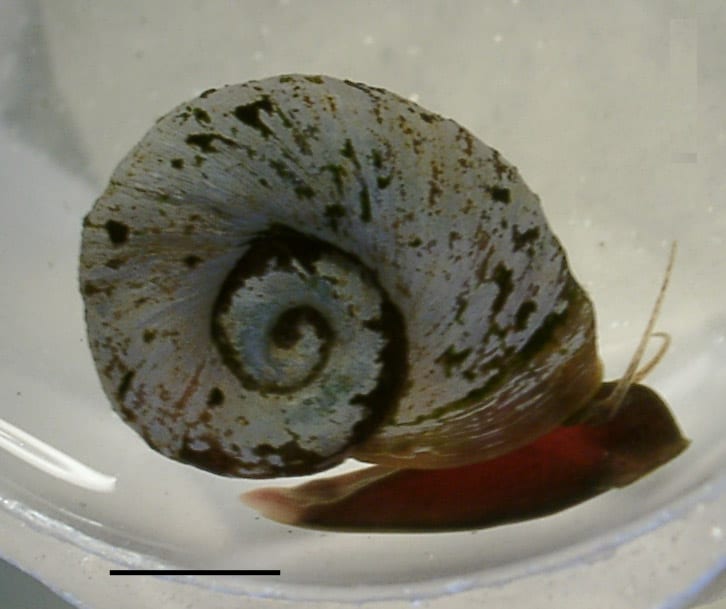
An air-breathing freshwater snail with a flat, discoid coiled shell 5-25mm across. Widely distributed across the tropics and highly tolerant, it is notable as an intermediate host for trematode parasites.
Difficulty
Beginner
Temperature
22〜28℃
Lifespan
1-3 years
Size
Shell width 5-25mm
Diet
Algae, biofilm, decaying plants and sinking prepared foods
About
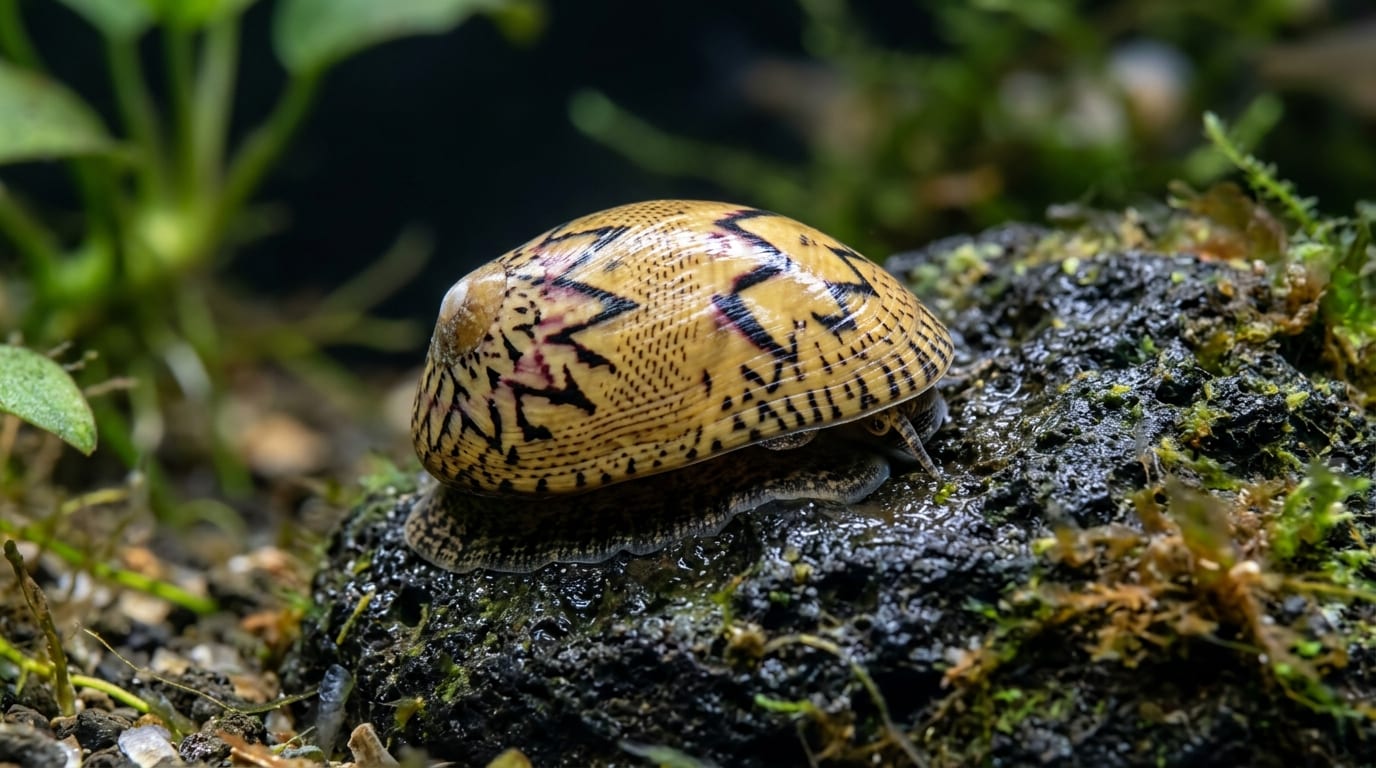
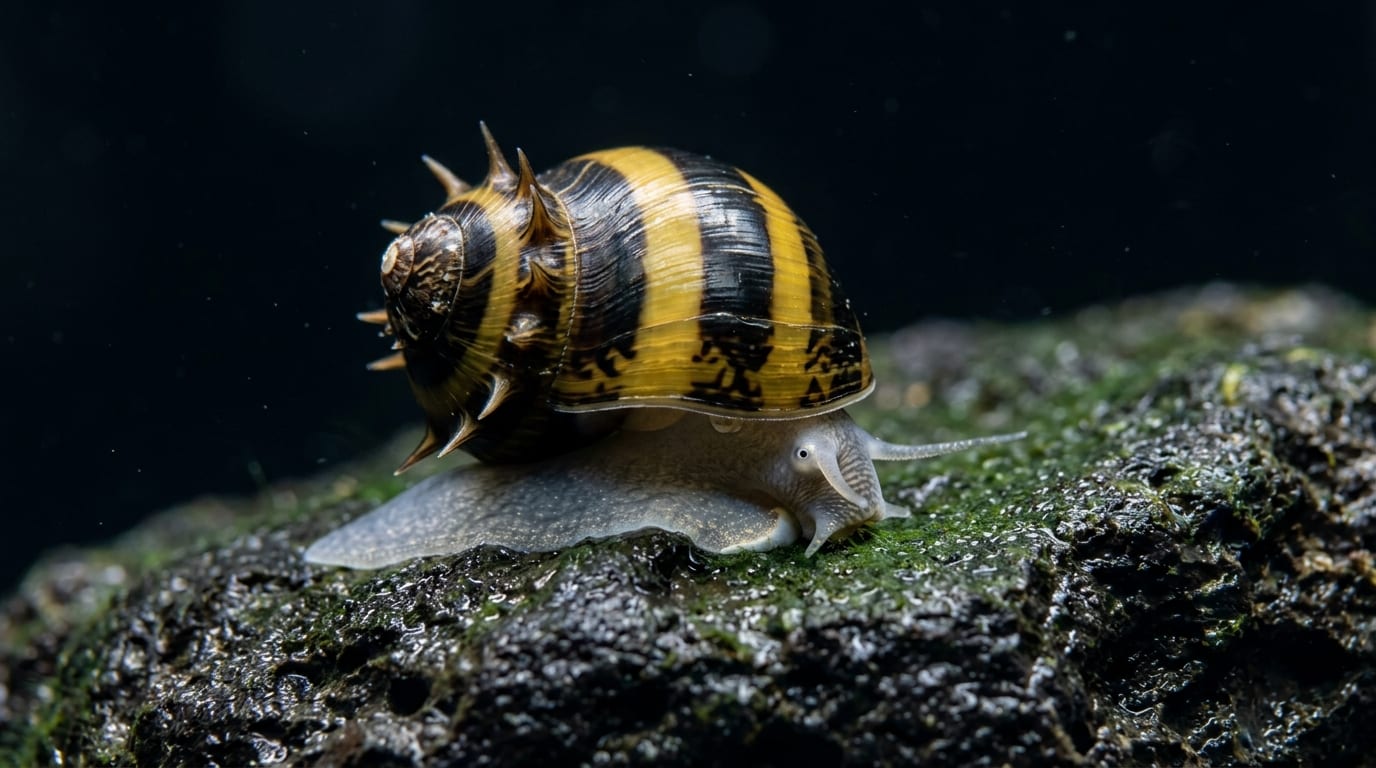
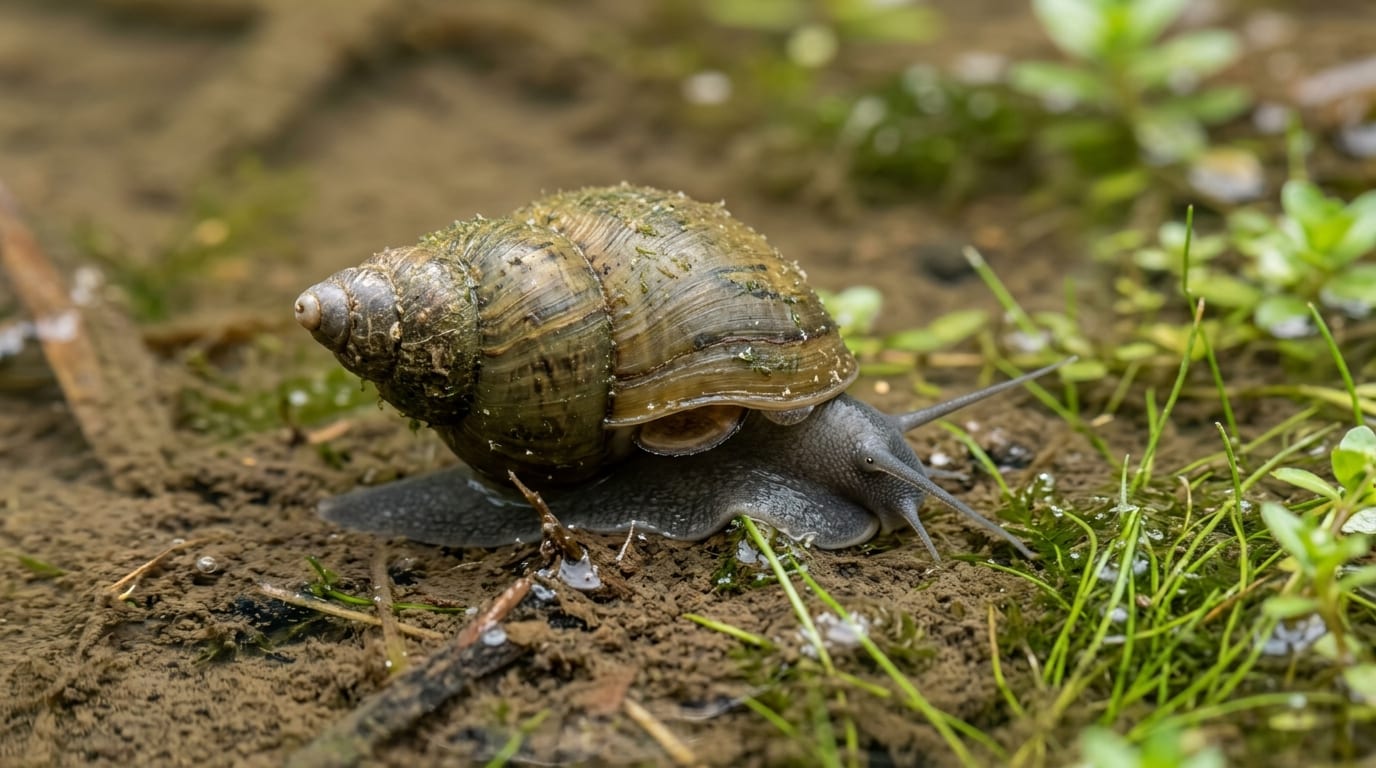
Indoplanorbis exustus is an air-breathing freshwater snail of the ram's horn family Bulinidae and the only extant species in its genus. As in all planorbids, the shell is sinistrally coiled but is carried upside down so that it appears dextral; it is discoid with rapidly widening whorls, each higher than it is wide. The shell is 5-25mm across and 4.5-13mm high. The range covers Iran, Nepal, India, Sri Lanka, Southeast Asia, central Asia, Arabia and Africa, with the type locality in marshes on the Malabar coast of south-western India. Records from Oman, Socotra, Nigeria and the Ivory Coast are attributed to recent human introduction. Its invasiveness and ecological tolerance make it significant in veterinary and medical science, and its most important property is that it serves as an intermediate host for several trematode parasites.
Source: Wikipedia (CC BY-SA 4.0)
Lifespan of the Ramshorn Snail
The Ramshorn Snail lives 1-3 years.
Size of the Ramshorn Snail
The Ramshorn Snail grows to Shell width 5-25mm.
Basic Info
Origin
South and Southeast Asia (India, Sri Lanka, Nepal, Thailand, Iran and Afghanistan)
Lifespan
1-3 years
Size
Shell width 5-25mm
Temperature
22〜28℃
Care Specifications
PeacefulGroupBreeding: Easy
Sources: Wikipedia (Indoplanorbis exustus) / WoRMS
References & Sources
Edited & verified by: BreederDirect editorial team
The taxonomic, regulatory, and husbandry data on this page are compiled and verified against the authoritative primary sources below.
Taxonomy & Authority
Accepted name: Indoplanorbis exustus (Deshayes, 1833)
Authority databases: GBIF
Nomenclature follows global taxonomic authority databases.
Regulations & Conservation Status
Not CITES-listed
Sources: CITES Appendices (species not listed) / IUCN Red List
Regulations may change. Always verify the latest information with the relevant authorities.
Ramshorn Snail Listings
Loading latest listingsFind listings for this species