The Role of Gobies, Hermit Crabs, and Snails | Saltwater Tank Cleanup Crew and Algae Control
An explanation of saltwater tank cleanup crews (CUC). This guide introduces types and roles of goby fish that clean the substrate, hermit crabs and snails that process leftover food and algae, proper stocking guidelines, and compatibility issues to watch for.
Key Takeaways
An explanation of saltwater tank cleanup crews (CUC). This guide introduces types and roles of goby fish that clean the substrate, hermit crabs and snails that process leftover food and algae, proper stocking guidelines, and compatibility issues to watch for.
What is a Cleanup Crew (CUC)?
In saltwater tanks, managing leftover food, algae, and detritus (organic sediment) is crucial for maintaining water quality. Organisms that process these materials are collectively called a "Cleanup Crew" (CUC).
✍️
BreederDirect Editorial
The BreederDirect editorial team specializes in care information for animals, covering veterinary care and breeding to deliver beginner-friendly guides.
Find Marine Fish on BreederDirect
Buy directly from verified breeders
Browse Related Listings
Find Marine Fish listings related to this article on BreederDirect. Buy directly from verified breeders.
By introducing a proper cleanup crew, you can reduce the burden of water changes and filter cleaning, allowing you to maintain a healthier ecosystem within your tank. This guide explains the characteristics and roles of representative CUC organisms: goby fish, hermit crabs, and snails.
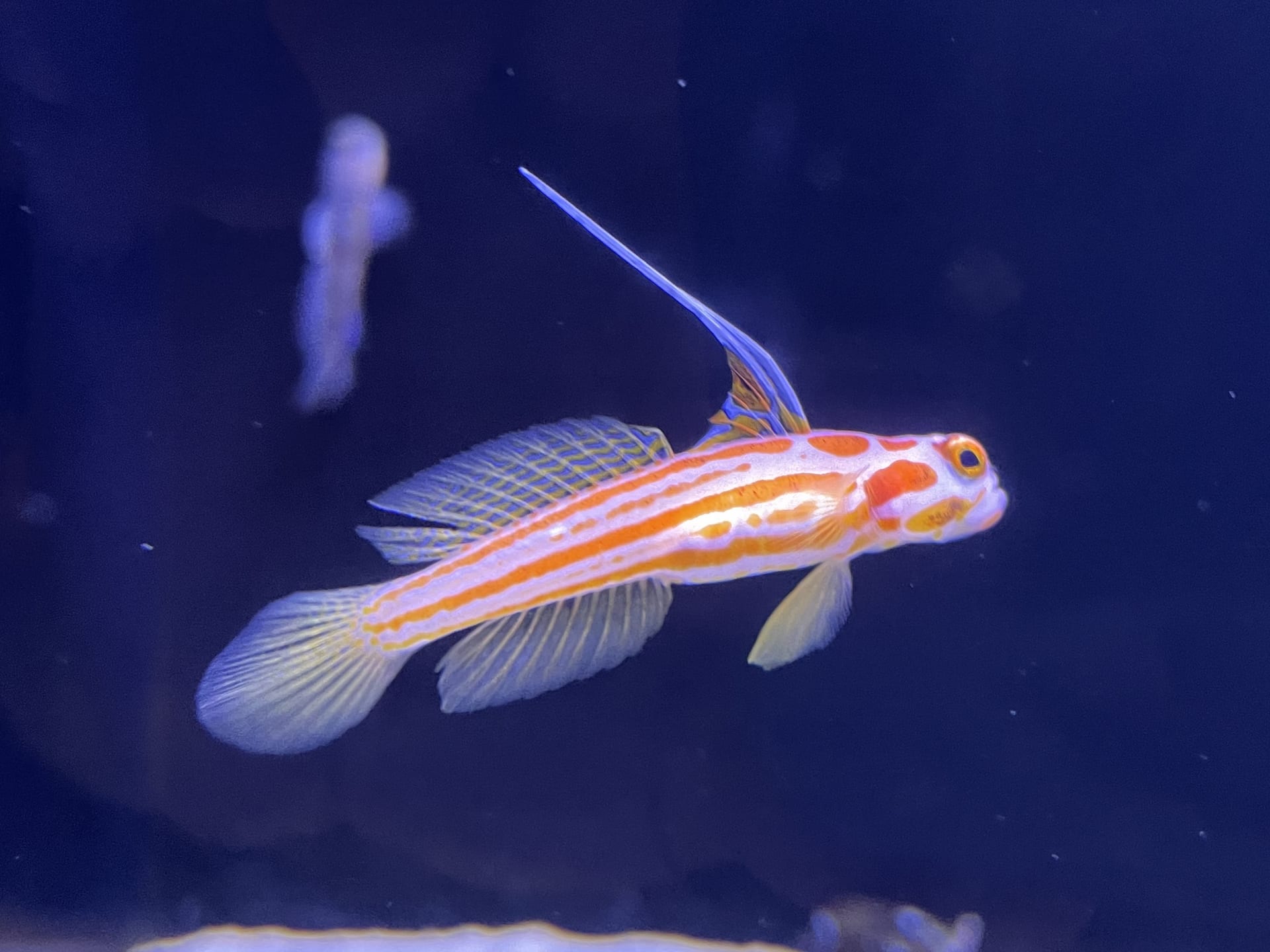
Gobies: The Substrate Excavators
Gobies stir up the substrate to prevent anaerobic layers (where hydrogen sulfide accumulates in areas lacking oxygen), acting as "substrate aerators."
Yasha Goby (Stonogobiops nematodes)
A small goby popular for its symbiotic relationship with pistol shrimp, digging burrows together. While it does kick up sand and scatter detritus, its cleanup effect is minimal. However, it has excellent aesthetic appeal and is often sold as a pair with the shrimp.
Mandarin Fish (Synchiropus splendidus)
A goby relative that feeds on copepods found in the substrate. While it doesn't contribute to cleaning, it ranks #1 in popularity for its beauty. It refuses prepared foods and requires an environment with abundant copepods in live rock.
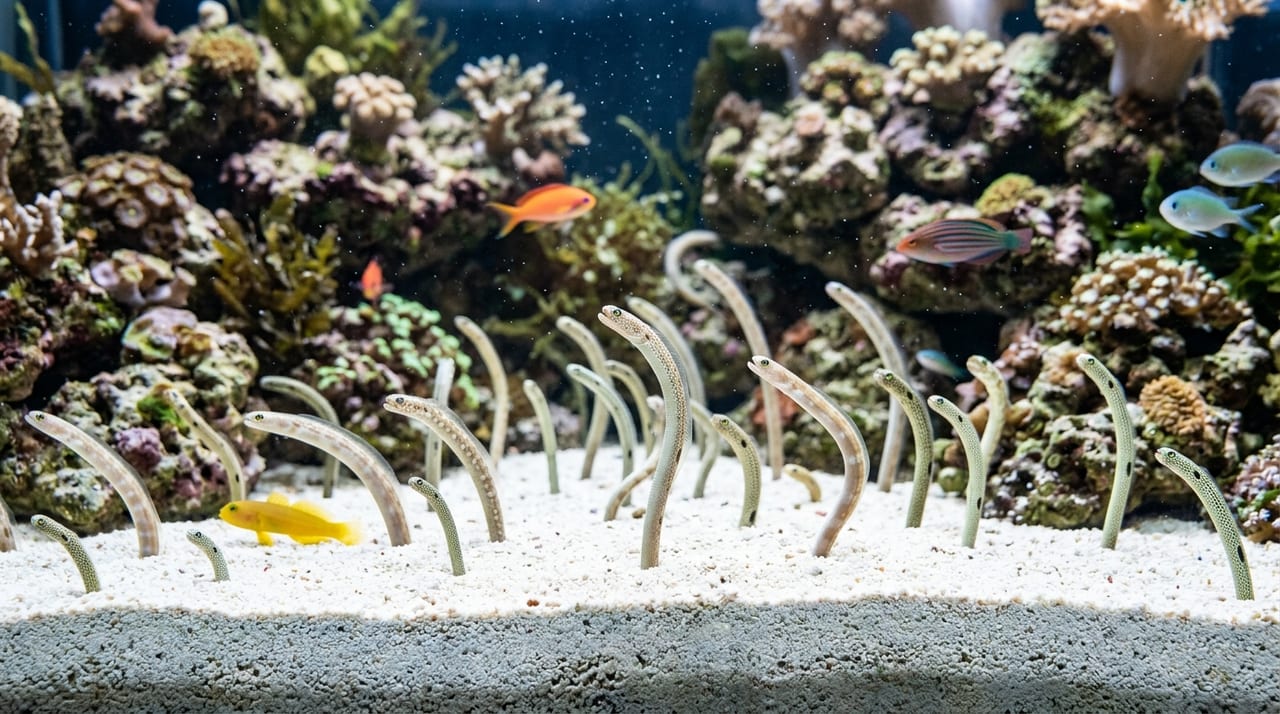
Spotted Garden Eel (Heteroconger hassi)
Characterized by its unique behavior of burrowing in sand with its body protruding, creating a spectacular display when kept in groups. While its burrowing does move the substrate, its cleaning effect is limited.
Zebra Goby (Ptereleotris zebra)
A docile, hardy mid-sized goby that can be seen foraging in the substrate to process leftover food. It can be kept in groups and is highly practical as a CUC member, making it ideal for beginners.
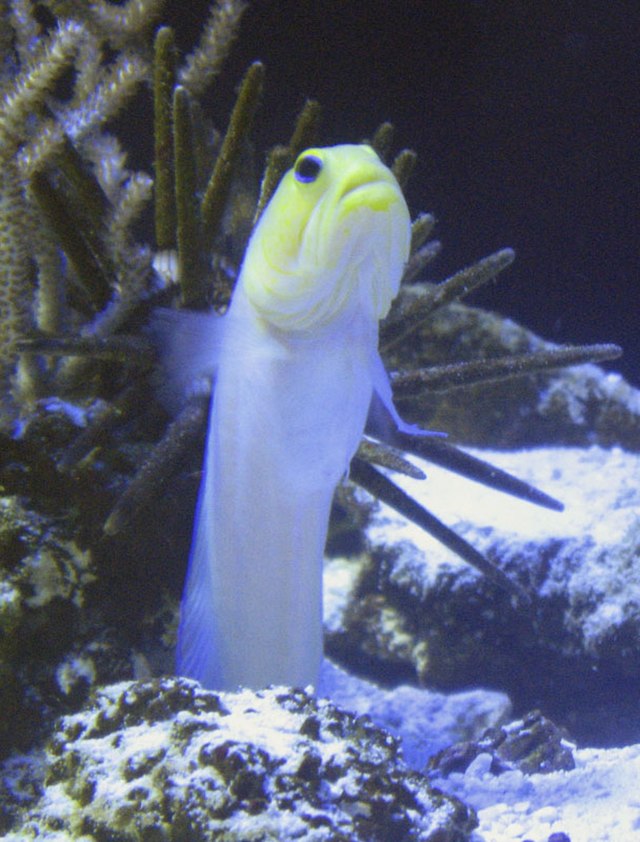
For substrate cleaning specifically, jawfish (Opistognathus aurifrons) and sleeper gobies (Valenciennea strigata) are more effective. The sleeper goby in particular is famous for its "sand sifting" behavior, taking mouthfuls of sand while cleaning and processing it, making it essential for managing reef tank substrates.
Hermit Crabs: The Versatile Cleanup Specialists
Hermit crabs are the "saltwater garbage trucks" of the aquarium, eating leftover food, dead organisms, algae, detritus, and essentially all organic matter.
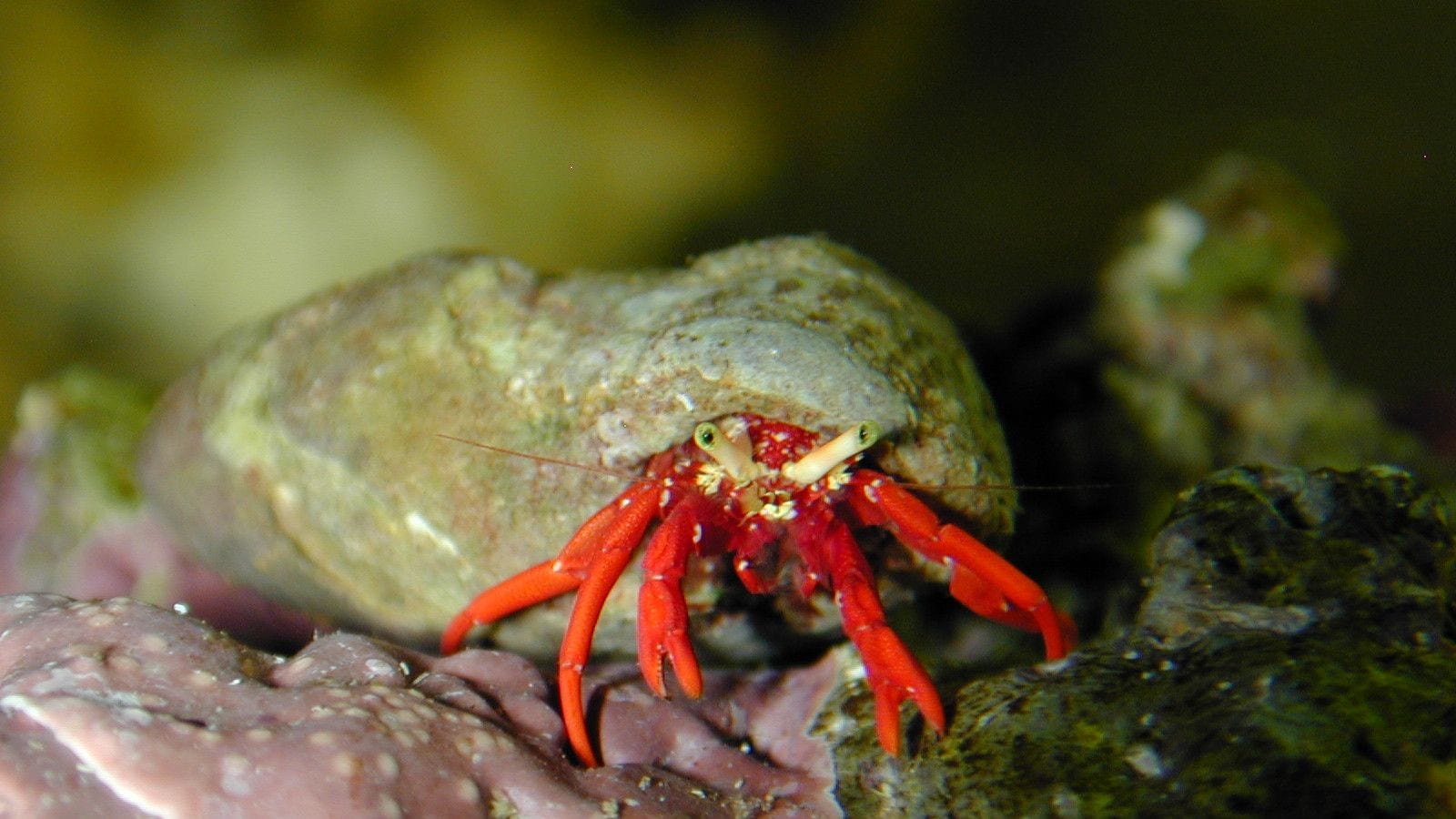
Scarlet Hermit Crab
A classic choice for saltwater tanks, primarily processing algae (especially filamentous algae) and leftover food. A guideline is one crab per 10 liters. While docile and generally compatible with corals, they occasionally attack weakened organisms.
Blue-Legged Hermit Crab
An equally popular beginner species as the scarlet hermit. It processes leftover food, algae, and detritus broadly. To prevent conflicts over shells, provide multiple spare shells in the tank.
Emerald Crab (Mithraculus sculptus)
Though technically a true crab rather than a hermit crab, it's highly valued as a CUC member. It's one of the few organisms that actively eats bubble algae (green bubble-like algae). While docile, as it grows it may target small fish, so tankmate selection requires care.
Hermit Crab Introduction Guidelines
Always provide spare shells: If shells run out, crabs may attack snails and pull them from their shells
Avoid overstocking; they'll eat small snails and other animals: Follow the guideline of one crab per 10 liters
Some individuals may occasionally pick at coral polyps or overturn live rocks
Snails: Precision Algae Cleaners
Snails scrape algae off glass, live rock, and substrate by rasping across surfaces. They're the most efficient organisms for physical algae removal.
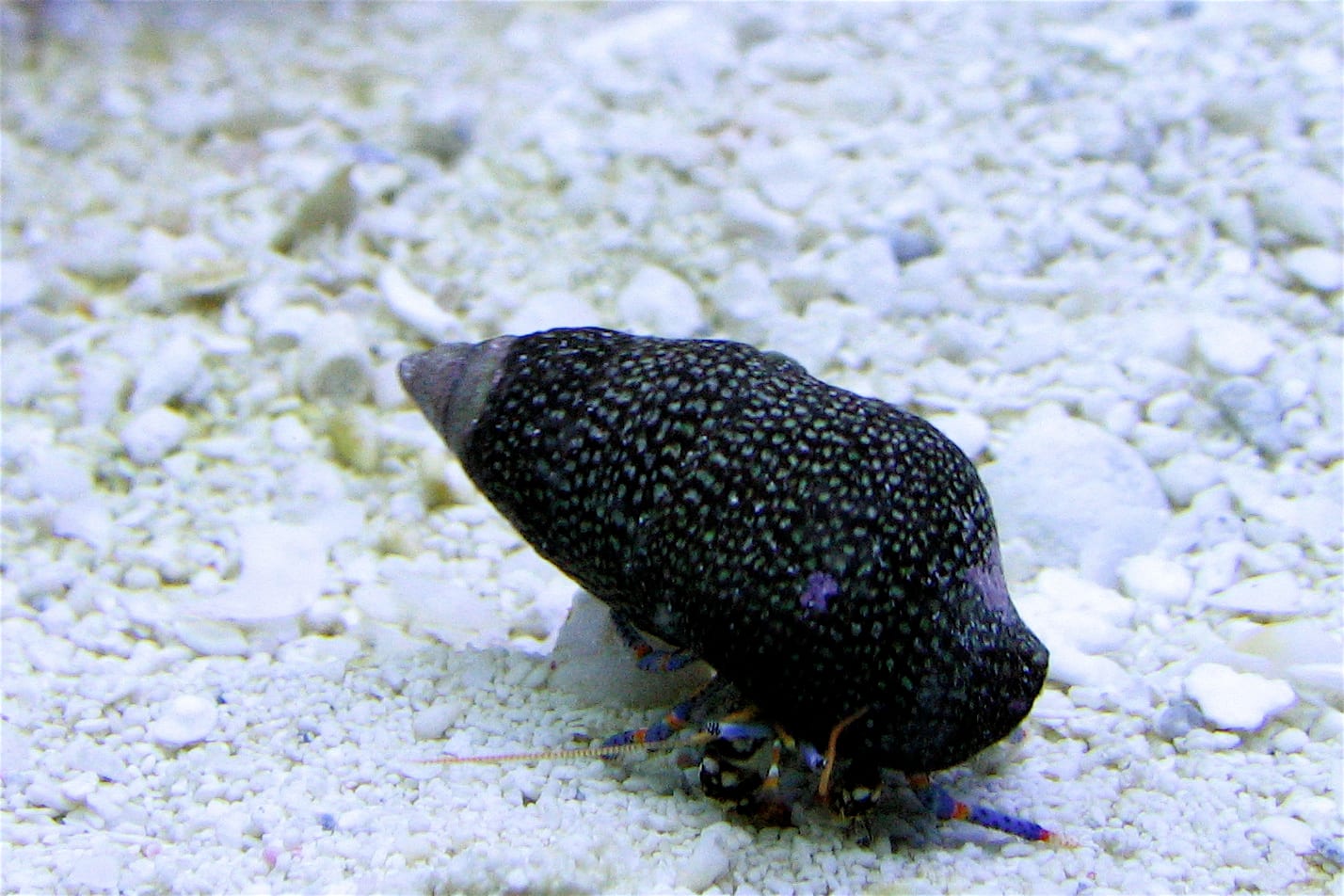
Turbo Snail (Turbo fluctuosa)
A large snail that cleans algae off glass and live rock like a wiper blade. The larger the snail, the greater its processing capacity per individual, making it one of the most powerful algae-control options. However, as it roams across live rock, it may topple corals. For a 60cm tank, 2-3 snails are sufficient.
Astraea Snail (Astraea tecta)
A small, docile snail that cleans algae from crevices and shadowed areas in live rock. If it gets flipped over, it cannot right itself, so you should flip it back if you find it upside down.
Nerite Snail (Nerita sp.)
A mid-sized snail that grazes algae on low rocks and near the substrate. Hardy, easy to care for, and beginner-friendly.
Ideal CUC Composition Example
Example CUC composition for a 60cm saltwater tank (approximately 65 liters):
Organism
Qty
Role
Sleeper Goby
1-2
Substrate cleaning
Scarlet Hermit Crab
5-8
Leftover food & algae processing
Turbo Snail
2-3
Glass & live rock algae
Astraea Snail
5-8
Fine detail algae
Adjust based on fish stocking, substrate volume, and algae levels. Too few CUC members and algae will bloom; too many and they'll starve from lack of food.
Summary
Introducing an appropriate cleanup crew greatly simplifies saltwater tank maintenance.
Substrate cleaning: sleeper gobies and jawfish
Leftover food & detritus processing: hermit crabs
Algae control: turbo snails and astraea snails
At BreederDirect, you can purchase various aquatic organisms from breeders knowledgeable in saltwater fish. If you're unsure about CUC selection, don't hesitate to consult with our breeders.