Complete Guide to Saltwater Aquarium Cleanup Crew (CUC) | Roles and Selection of Snails, Hermit Crabs, and Shrimp
Explains the roles and selection of cleanup crew (CUC) for maintaining a clean saltwater aquarium. Introduces the types of organisms that process algae, detritus, and uneaten food—including Japanese turbo snails, top snails, scarlet reef hermit crabs, and skunk shrimp—along with appropriate stocking numbers.
Key Takeaways
Explains the roles and selection of cleanup crew (CUC) for maintaining a clean saltwater aquarium. Introduces the types of organisms that process algae, detritus, and uneaten food—including Japanese turbo snails, top snails, scarlet reef hermit crabs, and skunk shrimp—along with appropriate stocking numbers.
Related Species
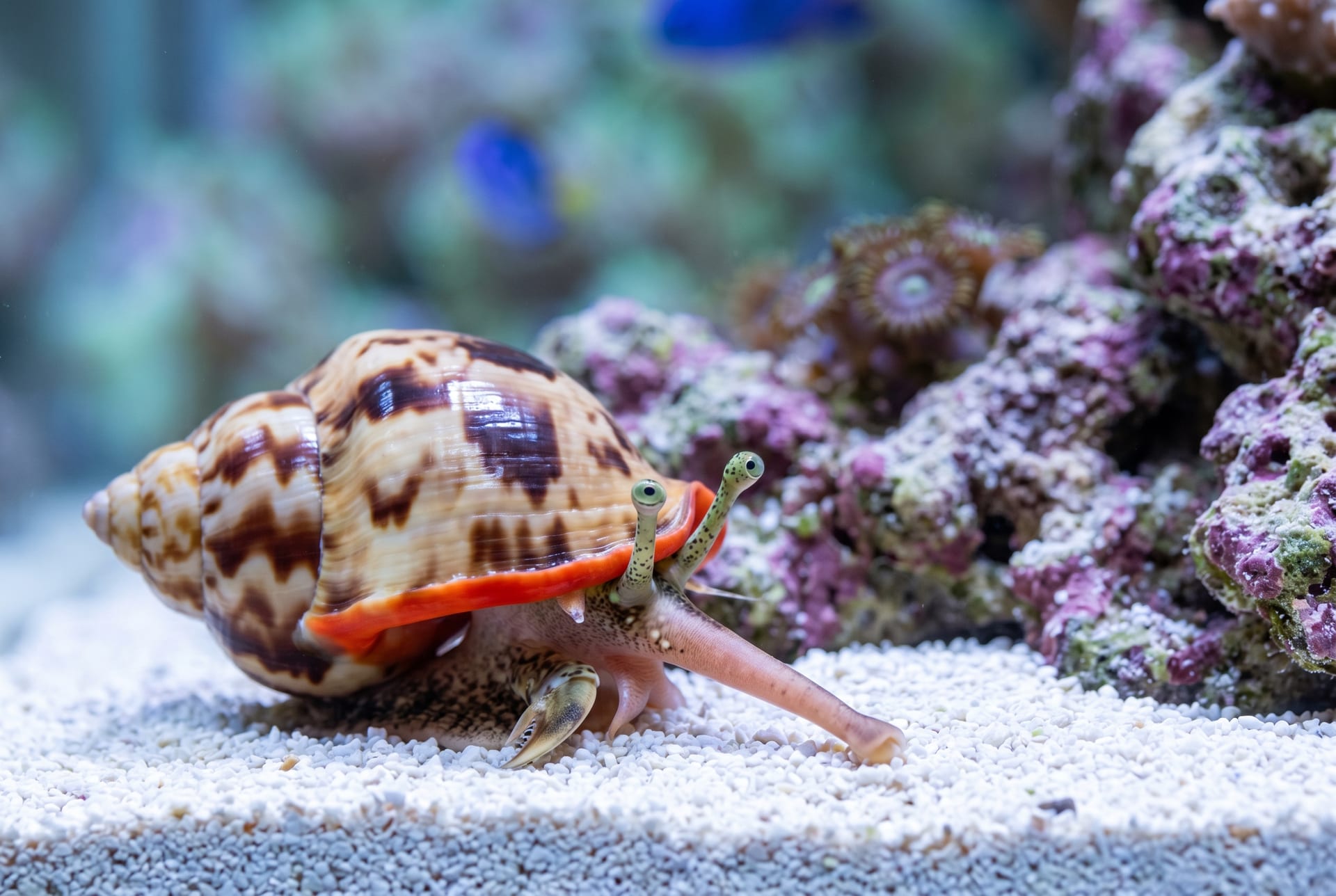
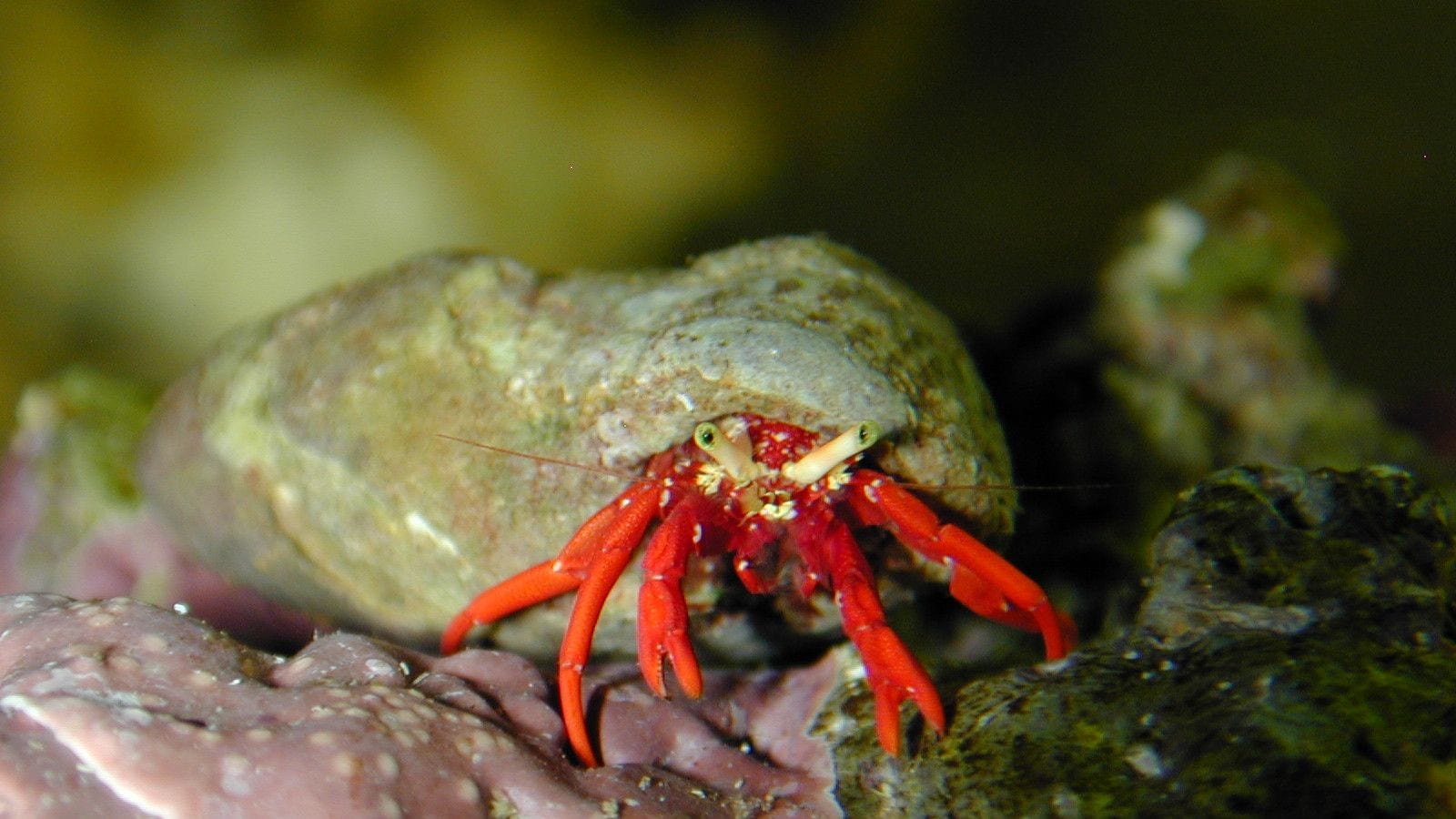
What is Cleanup Crew (CUC)?
In the maintenance of saltwater aquariums, "Cleanup Crew (CUC)" is an indispensable component. CUC is a collective term for invertebrates that consume and remove algae, uneaten food, detritus (organic debris), dead matter, and other waste from the tank.
By harnessing the biological power to naturally break down fine debris that fish alone cannot process, CUC contributes to water quality stabilization, algae suppression, and improved aeration of the substrate. Alongside protein skimmers and filters, they are the unsung heroes that help maintain a healthy saltwater aquarium.
This article provides a detailed explanation of representative CUC types, their roles, appropriate stocking numbers, and care considerations.
Understanding CUC Roles by Species Type
1. Snails (Gastropods) — The Stars of Algae Control
Japanese Turbo Snail (Therosaurus giganteus)
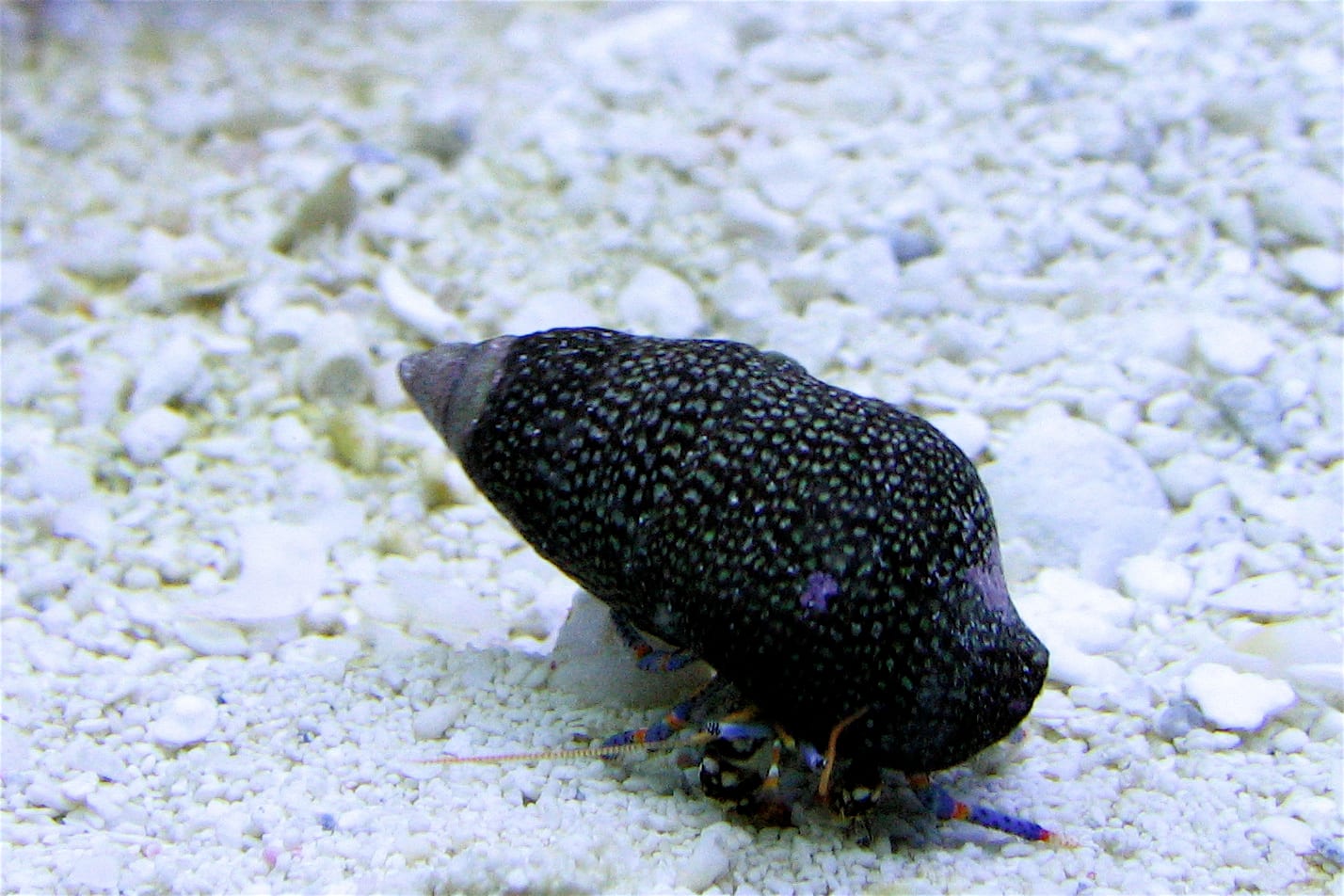
The most popular algae-eating snail in Japanese saltwater aquariums. It effectively removes brown algae (diatoms) and detritus on the substrate surface while crawling across the sand. Its habit of burrowing through sand helps improve substrate aeration. However, it is not well-suited for thick green algae on live rock.
Top Snail (Trochus species)
This snail scrapes off green algae and thin algae attached to live rock and tank walls. It's a standard choice for wall algae control. However, it can sometimes get stuck upside down and be unable to right itself, requiring attention.
Astraea Snail (Star Turbo Snail)
This snail excels at scraping thin coralline algae and green algae from rock surfaces. While slower-moving than top snails, it is highly effective against algae on hard substrates.
Turbo Snail (Turbo species)
Large and voracious eater. Excellent for handling thick green algae and the initial removal of hair algae (filamentous green algae). It truly shines in aquariums of 90 cm or larger. It may scratch tank walls, making it unsuitable for acrylic tanks.
Nassarius Snail (Sand Sifting Snail)
Normally hidden in the sand, it quickly emerges when it senses uneaten food or dead fish. It is an excellent scavenger, efficiently processing organic matter within the substrate. Its dramatic "popping out of the sand" behavior is also entertaining to watch.
2. Hermit Crabs — Versatile Scavengers
Scarlet Reef Hermit Crab
A popular species with bright red legs. Actively consumes green algae, cyanobacteria (red algae), and detritus. Gentle and rarely harms fish, making it adaptable to various tank sizes. Placing empty shells in the tank prevents conflicts over shell possession.
Blue Leg Hermit Crab
Characterized by blue legs. Like scarlet hermits, it processes various organic materials. Some individuals can be somewhat aggressive and may steal shells from other creatures if shells are scarce.
Various Dwarf Hermit Crabs
Small hermit crabs suited for nano reefs and small aquariums. Keeping more individuals provides broader coverage of the tank.
3. Shrimp — Excellent CUC with Ornamental Value
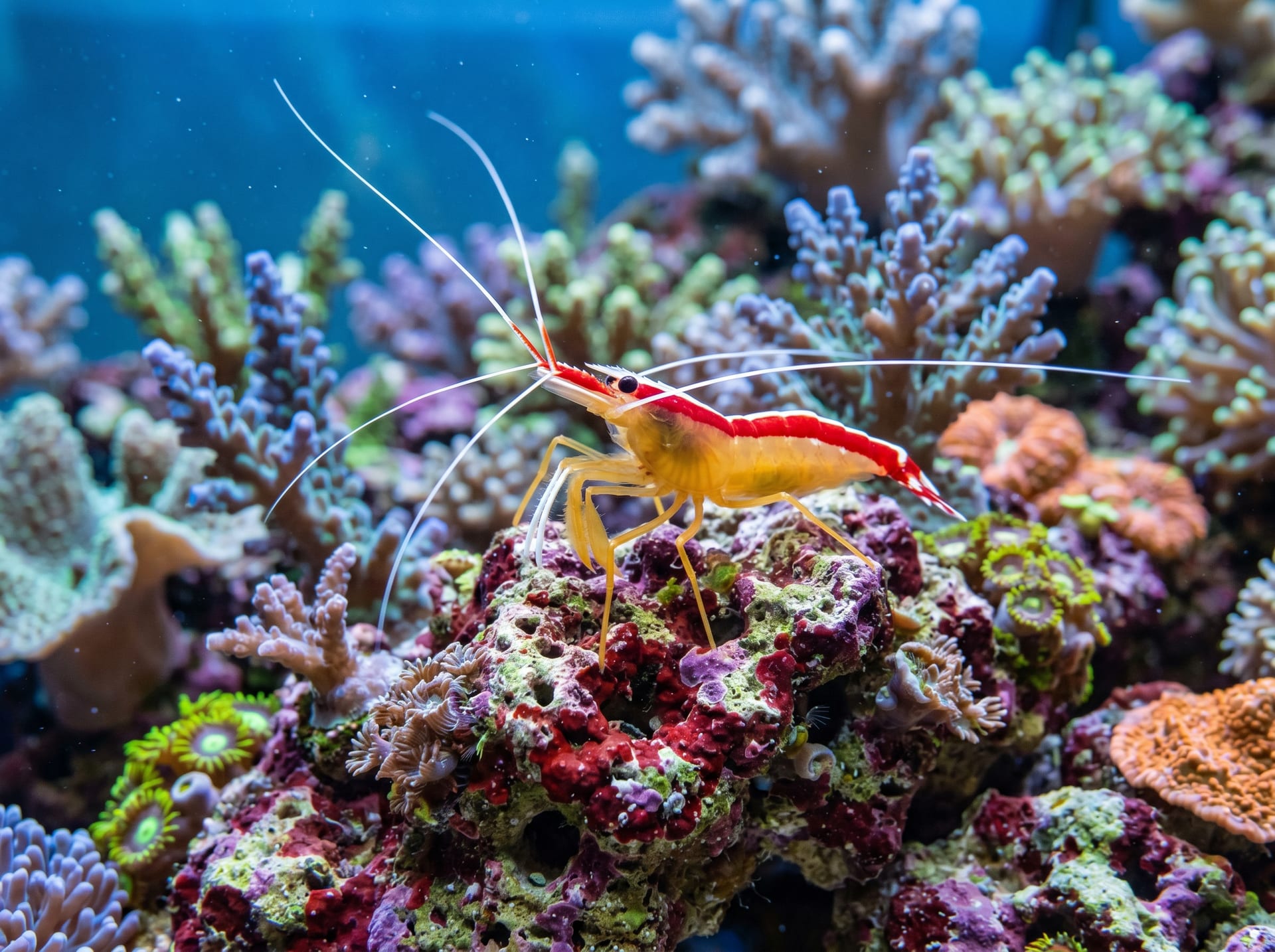
Skunk Cleaner Shrimp
This shrimp has a clean appearance with white stripes and high ornamental value. While consuming uneaten food and detritus, it also functions as a cleaner shrimp, removing parasites from fish bodies. It coexists well with most saltwater fish and is a versatile species suited to nearly any tank.
Blood Red Fire Shrimp
An ornamental shrimp with striking red and white coloring. Like skunk shrimp, it functions as a cleaner. It has a relatively docile temperament.
Pistol Shrimp (Snapping Shrimp)
Known for its symbiotic relationship with gobies. It excavates holes in the sand to process detritus. It's a classic CUC choice when keeping symbiotic gobies.
Camel Shrimp
Gentle and affordable, but may nip the polyps of soft corals (such as flowing tentacle anemones), making it unsuitable for reef tanks.
4. Sea Urchins and Sea Cucumbers — Heavy-Duty Algae and Debris Processing
Tuxedo Urchin (Mespilia globulus)
Unmatched in removing stubborn algae and coralline algae from live rock surfaces. However, as it moves around, it may destabilize live rock or damage corals, so introduce it cautiously in tanks where layout stability is a priority.
Sea Cucumber (Holothurian species, etc.)
It efficiently processes substrate detritus while moving through the sand. It is sensitive to sudden water parameter changes, and some species secrete toxic substances (holothurin), so avoid introducing it to small tanks.
Guidelines for Appropriate Stocking Numbers
Overstocking CUC can lead to starvation due to insufficient food (algae and detritus) in the tank. Conversely, understocking results in inadequate processing and explosive algae growth.
General Guidelines (per 60L of water):
| Species | Recommended Number |
|---|---|
| Japanese Turbo Snail | 3–5 |
| Top Snail | 5–8 |
| Scarlet Reef Hermit Crab | 5–10 |
| Skunk Cleaner Shrimp | 1–2 |
| Nassarius Snail | 3–5 |
Adjust based on tank conditions (algae levels and substrate cleanliness). After initial setup, food sources are minimal, so start with fewer individuals and gradually increase as needed.
Important Considerations When Introducing CUC
Acclimation Must Be Done Carefully
CUC (especially snails and shrimp) are sensitive to water parameter changes. Perform drip acclimation over 1–2 hours. Rapid changes in pH and specific gravity are particularly damaging, requiring careful attention.
Provide Empty Shells
Hermit crabs change shells as they grow. Placing various sizes of empty shells in the tank prevents conflicts over shell possession.
Incompatibility with Copper-Based Treatments
Copper-based treatments (such as CuSO4) used for treating white spot disease are lethal to all snails, shrimp, and hermit crabs. Never use them in tanks containing CUC. If treatment is necessary, use a separate quarantine tank.
The Need for a Lid
Many snails and shrimp can jump or escape from the tank. Always use a lid or net to prevent escapes.
Algae Types and Recommended CUC Combinations
| Algae Type | Effective CUC |
|---|---|
| Brown Algae (Diatoms) | Japanese Turbo Snail, Top Snail |
| Green Algae (on walls) | Top Snail, Astraea Snail, Turbo Snail |
| Hair Algae (filamentous green algae) | Turbo Snail, Sea Urchin |
| Cyanobacteria (Red Algae) | Scarlet Reef Hermit Crab |
| Substrate Detritus | Japanese Turbo Snail, Nassarius Snail, Sea Cucumber |
| Uneaten Food and Fish Waste | Nassarius Snail, Hermit Crabs (general) |
By combining multiple CUC species, you can achieve balanced coverage throughout all areas of the tank.
Conclusion — CUC as Your Tank's Natural Maintenance Team
Cleanup crews transform an aquarium from a mere "container for fish" into a "small ecosystem." Rather than relying solely on mechanical cleaning, harnessing the power of living organisms dramatically improves tank stability.
If you're considering introducing CUC to your aquarium, start by observing the types of algae in your tank and selecting organisms suited to those types. On the breeder direct-sales platform "Breeders Choice," you can purchase healthy CUC specimens directly from breeders with proven care experience. Being able to confirm care methods directly at the time of purchase provides the assurance that only direct sales can offer.