What is Saltwater Aquarium Bottom Sand? Understanding Its Role
In saltwater aquariums, bottom sand (substrate) is not just a matter of aesthetics—it's a critical element that directly affects water quality, biological filtration, and the husbandry of benthic organisms. There are three options: "deep sand bed (DSB)," "shallow sand bed (SSB)," and "bare bottom (no sand)," and the choice determines how you manage the tank.
Primary Roles of Bottom Sand
- Nitrification and denitrification bacterial colonization: Bacteria establish themselves on sand grain surfaces and help break down ammonia→nitrite→nitrate
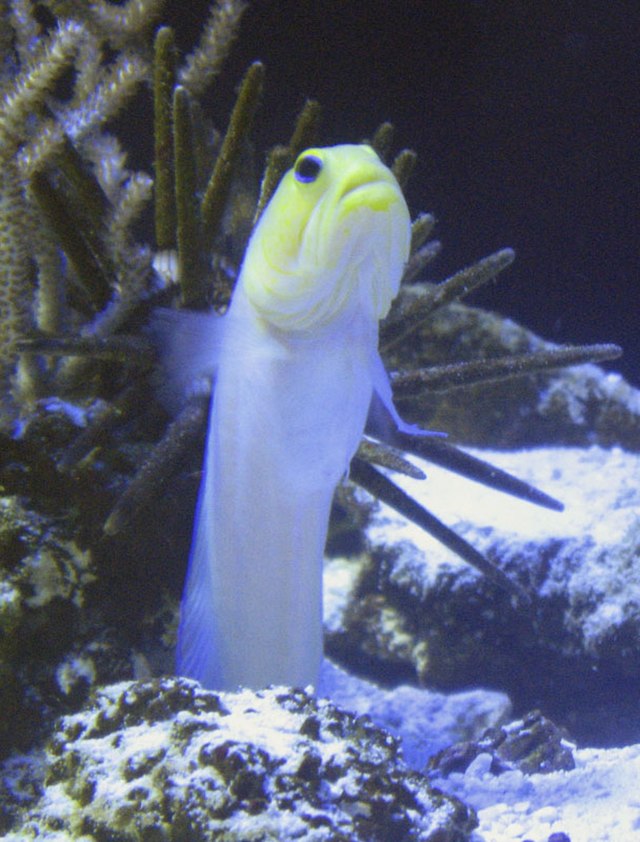
- Habitat for benthic and sand-dwelling organisms: The foundation for gobies, jawfish, flatfish, hermit crabs, and similar creatures
- Buffering action: Aragonite (calcium carbonate)-based sand prevents sharp drops in pH and KH
- Landscape formation: The foundation for layouts that recreate natural seafloor
Types and Characteristics of Bottom Sand
Aragonite Sand (Aragonite-based)
The most widely used in saltwater aquariums is aragonite-based sand. Its primary component is calcium carbonate, and it has buffering properties that stabilize pH and KH.
Grain Size Types and Uses
| Grain Size | Name | Primary Use |
|---|
| 0.1–0.5mm | Aragonite Powder / Live Sand | DSB (deep sand bed) construction, sand-dwelling organisms |
| 0.5–2mm | Fine Aragonite | General purpose. Suitable for gobies and jawfish |
| 2–5mm | Coarse Aragonite | Emphasizes water flow. Use in SSB or mixed substrates |
| 5mm+ | Gravel / Lagoon Rock | Mainly for sumps and refugiums |
Fine sand (powder) is suitable for DSB (deep sand bed) construction, but it easily becomes suspended in strong water flow, so careful attention to pump direction is necessary.
Live Sand
Living aragonite sand saturated with seawater, with bacteria and microorganisms already established. It shortens cycling time when setting up a new tank. While costly, it's popular as an immediate source of biological filtration.
Black Sand and Colored Sand
Colored sand or basalt sand used as aesthetic accents. Since they lack buffering properties, they are not saltwater-specific. Typically, they are mixed with aragonite or used limitedly as landscape accents.
Crushed Real Reef Rock Sand
Sand made from crushed natural coral reef cement. It has effects similar to live sand and possesses natural biodiversity.
Comparison of DSB (Deep Sand Bed), SSB (Shallow Sand Bed), and Bare Bottom
DSB (Deep Sand Bed): 10–15cm or deeper
The defining characteristic of DSB is that denitrifying bacteria in the deep sand bed (in the anaerobic layer where oxygen doesn't reach) convert nitrate into nitrogen gas. When properly functioning, it maintains nitrate at very low levels.
Advantages of DSB
- Natural nitrate removal (denitrification)
- Optimal environment for sand-dwelling organisms (jawfish, sand-burrowing gobies)
- Strong buffering of pH and KH
Disadvantages of DSB
- Risk of "sand bed collapse (DSB crash)" if not properly maintained
- Possibility of hydrogen sulfide (H₂S) release if the anaerobic layer becomes excessive
- Difficult to clean, organic detritus accumulates easily
- May take 6 months to a year from setup to stabilization
DSB Maintenance
Introduction of sand-sifting organisms (sand-sifting starfish, sea cucumbers, giant clams, sand-burrowing gobies) is key. These animals stir the sand, preventing excessive anaerobic layer development and breaking down organic matter. Regular removal of surface detritus with a gravel siphon or similar tool is also important.
SSB (Shallow Sand Bed): 2–5cm deep
The "shallow sand bed" is not as deep as DSB and represents a middle-ground option between bare bottom and DSB. It provides space for nitrifying bacteria while avoiding the creation of hard-to-manage anaerobic layers.
Advantages of SSB
- Easier to manage than DSB
- Looks natural aesthetically
- Functions reasonably well as an environment for benthic organisms
Disadvantages of SSB
- Cannot expect as much denitrification effect as DSB
- Risk of the sand bed becoming partially anaerobic (the "worst depth" problem)
- Nitrate removal must be supplemented with a refugium and water changes
The recommended depth for SSB (shallow sand bed) is 2–3cm. Beyond that, it tends to become a "worst-case scenario" where it inherits DSB problems while not receiving the benefits.
Bare Bottom (No Sand)
"Bare bottom," which uses no substrate, is commonly employed in serious SPS-dominated reef tanks and high-load FOWLR (fish-only with live rock) systems.
Advantages of Bare Bottom
- Extremely easy to clean (detritus doesn't hide in sand)
- Water flow reaches the bottom, allowing organic matter to remain in the water column for skimmer removal
- No risk of sand bed collapse
- High clarity and cleanliness in the tank
Disadvantages of Bare Bottom
- Appearance looks artificial
- Cannot keep sand-dwelling organisms (jawfish, gobies, etc.)
- No buffering of pH and KH (must be supplemented with water changes and additives)
- Nitrate removal relies entirely on refugiums and water changes
How to Choose Bottom Sand: Recommendations by Keeping Style
| Keeping Style | Recommended | Reason |
|---|
| FOWLR (Fish-centered) | SSB or DSB | Denitrification effect is valuable in fish-only tanks prone to nitrate accumulation |
| Reef Tank (SPS-dominated) | Bare Bottom or DSB | SPS is nitrate-sensitive, but sand bed collapse risk requires management |
| Reef Tank (LPS, Soft Corals) | SSB or DSB | Easier to balance management |
| Jawfish/Sand-burrowing Goby Dedicated | DSB (fine sand 15cm+) | Essential to meet the ecological requirements of the species |
| Nano Tank (30–45cm) | SSB or Bare Bottom | DSB is difficult to manage in nano tanks |
Bottom Sand Introduction Procedure
When Setting Up a New Tank
- Sand preparation: Rinse sand with saltwater to remove fine particles and dust (especially with commercially available dry sand)
- Add bottom sand: Spread sand evenly before placing live rock. Since live rock weight may compress the sand, add slightly more than needed
- Place live rock: Set live rock on the sand; allowing it to touch the tank bottom directly improves water flow (you can also elevate it slightly from the sand)
- Add live sand (optional): If using dry sand, adding a handful of live sand from an existing saltwater tank will speed up cycling
Bottom Sand Replacement During Reset
A complete "bottom sand reset" has significant effects on water quality, so partial or gradual replacement is recommended. Replacing all sand at once risks sudden hydrogen sulfide release in DSB systems.
Bottom Sand Maintenance
- Monthly 1–2 times: Remove surface detritus with a gravel siphon or sand-bed-specific cleaner (rotate through one-third of the total sand bed at a time)
- Maintain sand-sifting organisms: Sea cucumbers, sand-burrowing gobies, and similar creatures naturally stir the sand
- Adjust water flow: Ensure bottom water flow without excessive sand suspension
Summary
The choice of bottom sand in saltwater aquariums depends heavily on the aquarist's keeping style and effort in management. Beginners may be better suited to bare bottom or thin SSB for simplicity, while those wanting to keep sand-dwelling organisms need DSB with fine aragonite. Regardless of the method chosen, the key to success is "maintaining cleanliness" and "combining appropriate biological filtration and water changes." Make a choice suited to your tank after understanding the characteristics of different substrates.