 © Zachary Randall, Florida Museum / CC BY 4.0
Peacock Eel
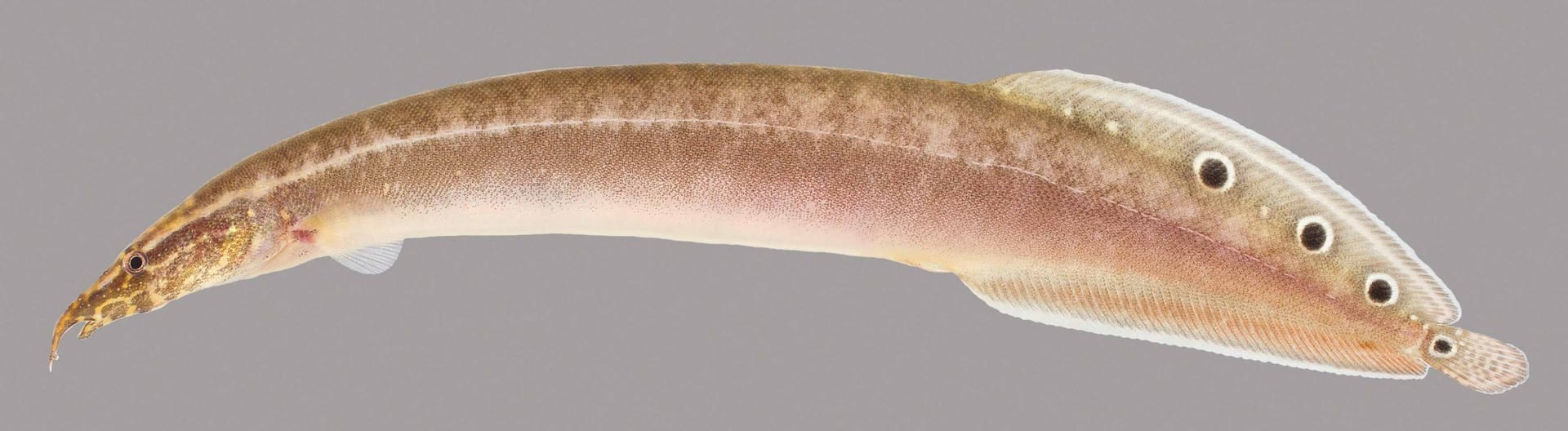
The Peacock Eel is a spiny eel native to Southeast Asia, named for the eye-like spots along the base of its dorsal fin that resemble a peacock's tail feathers. Found in the Mekong and Chao Phraya river systems, it has no scales and loves to burrow into sand, so a fine substrate is essential for its wellbeing. It often stays hidden during the day, but once settled in, it will peek out from cover with real character. It gets along reasonably well with other fish and brings a distinctive, sculptural presence to any tank. This is a great choice for aquarists drawn to unusual body shapes and striking natural patterns.
View Peacock Eel encyclopedia →0% commission on your first sales!Register by September 30, 2026 and your first 2 sales are commission-free!
Breeder Wanted!
List on BreederDirect and sell directly to customers nationwide!
Our 6 Transparency Commitments
All Tropical Fish listings include water quality, temperament, and tank size information from verified Breeder.
- Origin Disclosed
- Real Photos
- Water Quality Disclosed
- Recommended Tank Size
- Temperament Disclosed
- Breed Line Disclosed
Browse all 301 breeds
Water Type
Care Level
No listings match your filters
Adjust your filters, or get notified when new listings arrive.
Getting alerts is free with a member account. When new listings match your saved search, we'll notify you by email and in-app.
Browse other categories
Verified breeders (preview)
Are you raising tropical fish?
Register as a breeder and connect with buyers directly.
Apply as a breederPeacock Eel key facts
- Care level
- Intermediate
- Lifespan
- 8-12 years
- Size
- 20-30cm
- Diet
- Frozen bloodworm, Tubifex, small crustaceans
- Tank
- A bottom-dwelling fish reaching 30cm, so a tank with a large footprint is needed. It is scaleless and burrows, so use a deep bed of rounded fine sand and add pipes or driftwood as refuges. Spiny eels escape through gaps, so seal the cover.
- Water Temperature & Quality
- A tropical freshwater fish, it is scaleless and sensitive to poor water, so keep temperature and water quality stable. The natural habitat is slow-moving or standing water.
- Tank Mates
- A nocturnal bottom dweller feeding on benthic insect larvae, small crustaceans and fish. Avoid tankmates small enough to swallow, including dwarf shrimp.
- Diet & Feeding
- In the wild it takes small crustaceans, annelids and fish. In captivity offer sinking meaty foods such as frozen bloodworm and Tubifex, given after dusk when it becomes active.
- Breeding & Spawning
- It breeds during the wet season when adjacent forests flood, and larvae reach 8cm about 60 days after hatching. The sexes are hard to distinguish externally and no home-aquarium protocol is established.
- Health & Notes
- Being scaleless it is sensitive to medication and poor water. An introduced population, most likely of aquarium origin, is established in the Florida Everglades, so it must never be released.
About Peacock Eel
The Peacock Eel is a scaleless spiny eel from the Mekong basin, known for the eye-like spots along its dorsal fin and its sand-burrowing habit, which makes a fine substrate essential. Best suited to intermediate keepers; adults reach 20-30cm.
7 things to know before welcoming a Peacock Eel
1Fine Sand Is Essential
Being scaleless and a natural burrower, this eel needs a substrate of fine, soft sand rather than coarse gravel, which can injure its skin. Choosing the right substrate is one of the most important setup decisions you'll make.
2Scaleless, Delicate Skin
Without scales to protect it, the Peacock Eel's skin is more prone to abrasions, so stable, well-maintained water quality matters more than usual. Avoid sudden changes in water parameters to keep it healthy.
3Diet Needs Attention
It prefers meaty foods like frozen bloodworms and can be slow to accept dry flakes or pellets. Since it tends to be more active after dark, offering food in the evening or once the lights are dimmed often works best.
4Calm Temperament
It has a generally peaceful temperament and can usually be kept with similarly sized tankmates. Smaller fish or invertebrates may be seen as food, so choose tankmates carefully.
5Needs Room to Grow
Adults reach roughly 20 to 30cm, so plan for a tank with enough length and floor space to match. A cramped enclosure can add unnecessary stress.
6Guard Against Jumping
Peacock Eels can move suddenly when startled and may attempt to squeeze through small gaps, so a secure, well-fitted lid is strongly recommended.
7Prep Before Arrival
Set up a fine sand bed and hiding spots before bringing your eel home, and let the water parameters stabilize first. Because this species suits intermediate keepers, some prior experience with water quality management will help.
Frequently asked questions about Peacock Eel
- Q.Can it live with other fish?
- A.With its generally peaceful temperament, it can usually be kept with similarly sized tankmates. Small fish or invertebrates that fit in its mouth may be treated as food, so choose companions carefully.
- Q.Does it stay hidden during the day?
- A.It tends to be nocturnal and often stays buried in sand or tucked away in hiding spots during daylight hours. As it settles in and hiding spots are provided, it will gradually become more visible.
- Q.What substrate should I use?
- A.Since it's scaleless and burrows into sand, a fine, soft substrate is recommended. Coarse gravel can injure its skin, so it's best avoided.
- Q.How big does it get?
- A.Adults typically reach 20 to 30cm, with some individuals growing to around 30cm in total length. It's worth planning for a tank with enough room to accommodate this growth.
- Q.Is it suitable for beginners?
- A.This species is generally considered suitable for intermediate keepers. Some experience with water quality and substrate management will help you care for it confidently.
Useful tools for Peacock Eel care
Learn more about Peacock Eel in the encyclopedia
View Peacock Eel encyclopedia entry →
Care difficulty, lifespan, size and diet — all basics covered.
More in this category
Can't find the one you're looking for?
Post your wishes for free and breeders with matching animals will contact you with introductions.