 © Raimond Spekking / CC BY-SA 4.0
Ocellate River Stingray
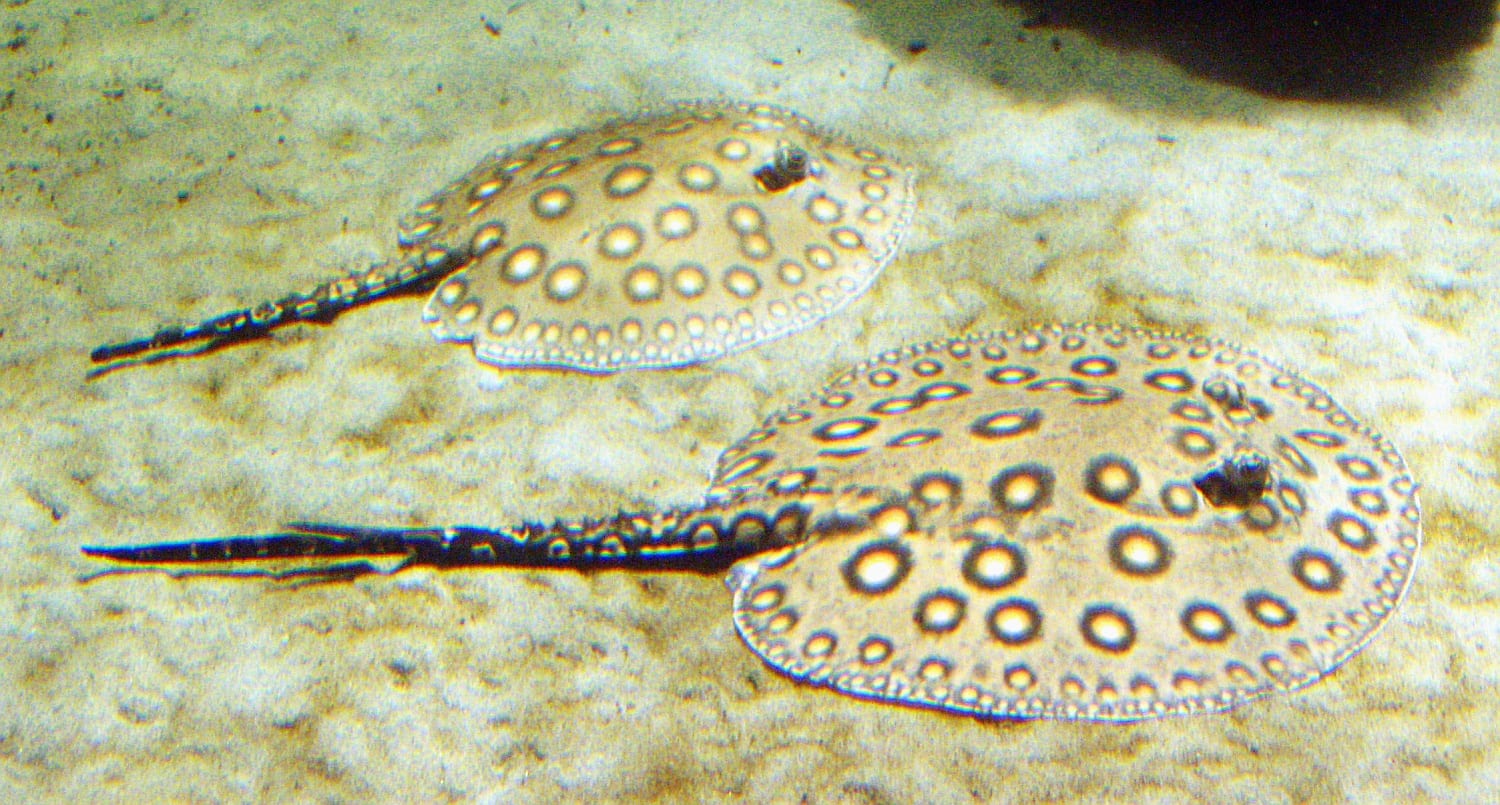
The ocellate river stingray is a South American freshwater ray named for the yellow-ringed, eye-like spots scattered across its disc, with each individual showing a slightly different pattern. It's generally a calm, low-key fish that spends much of its time resting on the substrate or gliding along the bottom in search of food, offering a very different kind of viewing experience from typical aquarium fish. Its tail carries a venomous spine, and a sting causes intense pain, so careful handling and thoughtful aquascaping are essential. Because its disc can grow to roughly 50 cm across, it needs a spacious, well-planned tank as it matures, making it a fish best suited to experienced keepers.
View Ocellate River Stingray encyclopedia →0% commission on your first sales!Register by September 30, 2026 and your first 2 sales are commission-free!
Breeder Wanted!
List on BreederDirect and sell directly to customers nationwide!
Our 6 Transparency Commitments
All Tropical Fish listings include water quality, temperament, and tank size information from verified Breeder.
- Origin Disclosed
- Real Photos
- Water Quality Disclosed
- Recommended Tank Size
- Temperament Disclosed
- Breed Line Disclosed
Browse all 301 breeds
Water Type
Care Level
No listings match your filters
Adjust your filters, or get notified when new listings arrive.
Getting alerts is free with a member account. When new listings match your saved search, we'll notify you by email and in-app.
Browse other categories
Verified breeders (preview)
Are you raising tropical fish?
Register as a breeder and connect with buyers directly.
Apply as a breederAbout Ocellate River Stingray
The ocellate river stingray is a South American freshwater ray with yellow-ringed eye spots, a venomous tail spine, and a disc that grows to about 50 cm — a species suited to experienced keepers.
7 things to know before welcoming a Ocellate River Stingray
1Handle with Care (Venomous Spine)
The tail carries a venomous spine, and a sting causes intense pain. Avoid handling the ray directly with bare hands, and use a container rather than a net when moving it within or out of the tank.
2Needs a Wide-Footprint Tank
Since the disc can reach about 50 cm across, tank floor space matters more than depth. It's best to plan for a large tank from the start, anticipating the ray's full adult size.
3Sensitive to Water Quality Shifts
This species is sensitive to sudden changes in water parameters, so water changes should be done gradually and on a regular schedule. Ammonia and nitrite buildup can quickly affect its condition, so reliable filtration is essential.
4Choose Fine, Smooth Substrate
Because it spends much of its time resting flat against the bottom, sharp or coarse substrate can injure its skin. A thin layer of fine, rounded sand is a safer choice for the tank floor.
5Choose Tankmates Carefully
Avoid keeping the stingray with fast-moving fish that might startle it, or small fish that could nip at its disc. Choose calm tankmates and make sure there's enough open space for the ray to move undisturbed.
6Watch Feeding Response Closely
Sinking foods such as frozen bloodworms or fish meat are typical staples, though a newly introduced ray may refuse food at first. Since leftovers quickly foul the water, keep a close eye on how much it actually eats.
7Commit Before You Bring One Home
Compared with most tropical fish, this species demands more setup, water-quality management, and caution around its venomous spine. Before bringing one home, make sure you can commit the space, equipment, and ongoing time it needs.
Frequently asked questions about Ocellate River Stingray
- Q.What should I do if I get stung by the barb?
- A.If you're stung, clean the wound right away and seek medical attention, since the sting can cause severe pain and swelling. Don't try to treat it yourself — consult a medical professional.
- Q.How large a tank do I need?
- A.Because its disc can grow to about 50 cm across, you'll need a large tank with plenty of floor space, not just depth. It's best to choose a tank sized for its adult dimensions from the beginning.
- Q.Can it be kept with other fish?
- A.Keeping it with calm tankmates is generally fine, but fast-moving fish or small fish that might nip at its disc are best avoided. Make sure the ray has enough open space to settle comfortably.
- Q.Is this a good species for beginners?
- A.It's generally considered a fish for experienced keepers, since it requires specialized knowledge of water quality management and careful handling around its venomous spine. Building experience with other species first is recommended before taking one on.
- Q.Does the disc pattern vary between individuals?
- A.Yes, the number and arrangement of the yellow-ringed eye spots differ from one ray to another, so no two individuals look quite alike. This individual variation is part of what makes the species so appealing as an aquarium fish.
Useful tools for Ocellate River Stingray care
Learn more about Ocellate River Stingray in the encyclopedia
View Ocellate River Stingray encyclopedia entry →
Care difficulty, lifespan, size and diet — all basics covered.
More in this category
Can't find the one you're looking for?
Post your wishes for free and breeders with matching animals will contact you with introductions.