 © Karelj / Public domain
Leopard Bush Fish
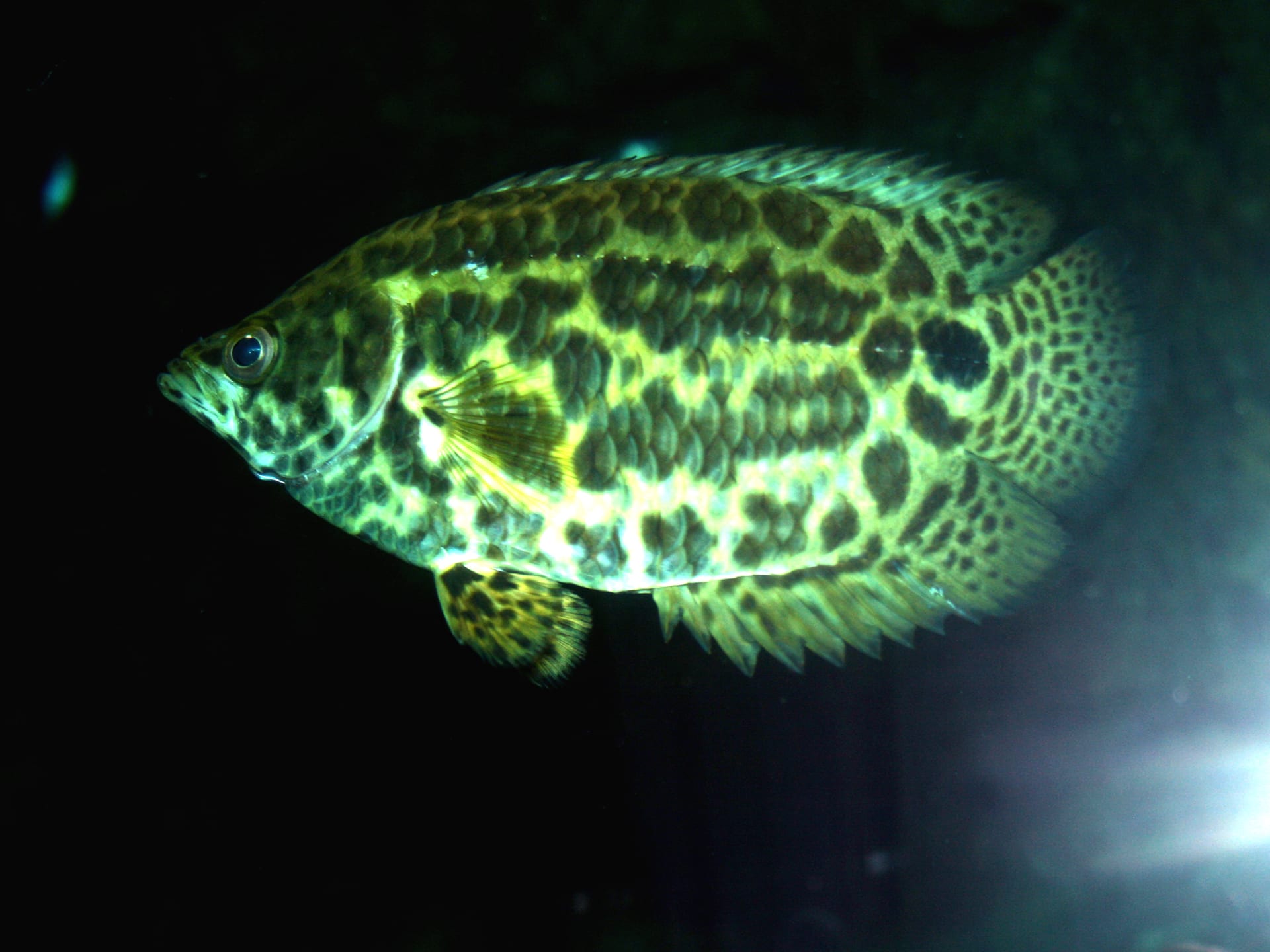
The Leopard Bush Fish is a mid-sized anabantid tropical fish, its tan body dappled with dark spots. A patient ambush predator, it mimics a drifting dead leaf while lying in wait for prey, moving with a slow, deliberate calm that has made it a favorite starter species among "oddball" fish keepers. Generally docile and easy to keep on its own, it will happily eat any tankmate small enough to fit in its mouth, so tankmate size matters. Known for its hardiness and long lifespan, it rewards keepers looking for a fish with real character to grow alongside for years.
View Leopard Bush Fish encyclopedia →0% commission on your first sales!Register by September 30, 2026 and your first 2 sales are commission-free!
Breeder Wanted!
List on BreederDirect and sell directly to customers nationwide!
Our 6 Transparency Commitments
All Tropical Fish listings include water quality, temperament, and tank size information from verified Breeder.
- Origin Disclosed
- Real Photos
- Water Quality Disclosed
- Recommended Tank Size
- Temperament Disclosed
- Breed Line Disclosed
Browse all 301 breeds
Water Type
Care Level
No listings match your filters
Adjust your filters, or get notified when new listings arrive.
Getting alerts is free with a member account. When new listings match your saved search, we'll notify you by email and in-app.
Browse other categories
Verified breeders (preview)
Are you raising tropical fish?
Register as a breeder and connect with buyers directly.
Apply as a breederLeopard Bush Fish key facts
- Care level
- Intermediate
- Lifespan
- Over 15 years
- Size
- 15cm
- Temperature
- 20〜28℃
- Diet
- Frozen bloodworm, earthworms, chopped prawn and fish
- Tank
- A 120 x 30cm base, about 108 litres, is the practical minimum. Keep the lighting dim and provide floating plants, driftwood and leaf litter, with an air gap above the water.
- Water Temperature & Quality
- Seriously Fish gives 20-28C, pH 5.5-7.5 and 2-12dGH. FishBase records 20-25C, pH 6.0-8.0 and 5-12dH in the wild.
- Tank Mates
- An ambush predator that will eat any fish small enough to swallow. It is normally kept singly, and its slow movement means it loses out to boisterous, fast-feeding tankmates.
- Diet & Feeding
- An obligate predator. Offer bloodworm, earthworms and strips of prawn or fish. Do not feed mammalian or avian meat such as beef heart, whose lipids it cannot metabolise, and feeder fish bring no benefit.
- Breeding & Spawning
- Spawning in aquaria is very rarely reported. Buy a group of young fish and let them pair off. The buoyant eggs rest among floating plants and hatch after 48 hours; the adults give no parental care and should be removed.
- Health & Notes
- Growth is slow and it takes several years to reach adult size. Seriously Fish notes that males carry more spines on the gill covers, and these snag in nets. The species is hardy and long-lived.
About Leopard Bush Fish
A mid-sized anabantid with a tan, black-spotted body that mimics a dead leaf to ambush prey. Hardy and long-lived, it's a favorite "oddball" fish suited to intermediate keepers.
7 things to know before welcoming a Leopard Bush Fish
1Choose Tankmates by Size
This species will naturally prey on any fish small enough to fit in its mouth. When choosing tankmates, pick fish of a similar size or larger, and avoid pairing it with small species.
2Build a Cover-Rich Layout
In the wild, this fish hides among leaf litter and driftwood to ambush prey. Recreating that with driftwood, floating plants, and hiding spots in the tank helps it feel secure.
3Stillness Is Normal Behavior
Spending long stretches motionless in cover is this fish's natural ambush style, not a sign of illness. Get familiar with its normal behavior pattern so you don't mistake it for a health problem.
4Prefers Live and Frozen Foods
Because it hunts small fish and insects in the wild, it can be slow to accept dry pellets at first. Start with frozen bloodworms or live food, then gradually mix in prepared feed.
5Needs Access to Surface Air
As an anabantid, it has a labyrinth organ that lets it breathe air directly from the surface. You may see it swim up to gulp air, so leave a gap of air between the water and the tank lid.
6A Long-Term Commitment
This species can live 15 years or more, making it a long-term companion. Before bringing one home, think ahead about whether your living situation can support many years of care.
7Prefers a Calm Environment
This fish can be somewhat shy, and bright lighting or a noisy tank may leave it unsettled. Keep the lighting moderate and avoid tapping the glass or crowding it with constant attention.
Frequently asked questions about Leopard Bush Fish
- Q.Can beginners keep a Leopard Bush Fish?
- A.It's generally considered suited to intermediate keepers rather than complete beginners. Some care around water quality and feeding takes a bit of know-how, so it's easier to succeed once you already have some tropical fish experience.
- Q.Is it safe to keep with other fish?
- A.It can be housed with fish of a similar size or larger. However, any tankmate small enough to fit in its mouth risks being eaten, so choose companions carefully.
- Q.How big does it grow?
- A.It reaches around 15 cm (about 6 inches) as an adult, making it a mid-sized tropical fish. Provide a tank spacious enough to comfortably fit its adult size.
- Q.How long does it typically live?
- A.Under good care, it can live 15 years or more. It's worth thinking ahead about whether you can commit to its care over that many years before bringing one home.
- Q.Are there any legal restrictions on this species?
- A.The Leopard Bush Fish is not subject to CITES.
Useful tools for Leopard Bush Fish care
Learn more about Leopard Bush Fish in the encyclopedia
View Leopard Bush Fish encyclopedia entry →
Care difficulty, lifespan, size and diet — all basics covered.
More in this category
Can't find the one you're looking for?
Post your wishes for free and breeders with matching animals will contact you with introductions.