 © No machine-readable author provided. Daiju Azuma assumed (based on copyright claims). / CC BY-SA 2.5
Glass Catfish
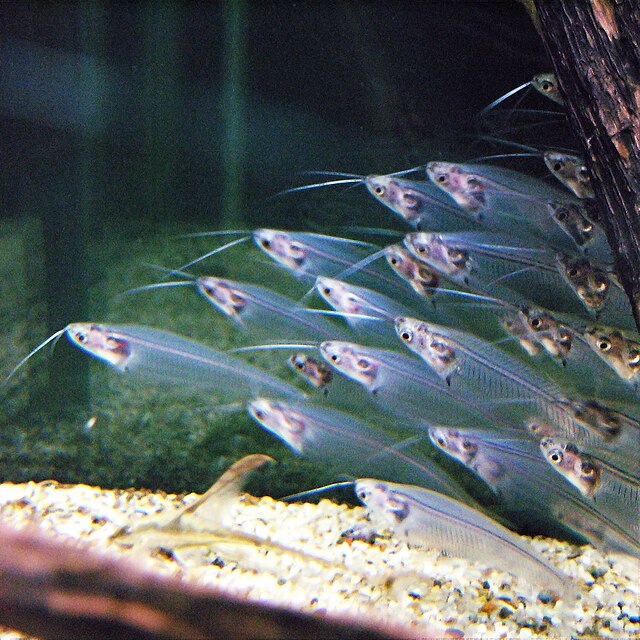
The Translucent Glass Catfish is one of the most striking catfish in the aquarium hobby, with a nearly transparent body that reveals its skeleton and internal organs. Kept in a group, its clear bodies catch the light as they swim together, creating an almost ethereal shimmer that becomes the centerpiece of any tank. Despite its whiskered, catfish-like face, it's an active swimmer that cruises the mid-water levels rather than hiding. Its temperament is calm and peaceful, rarely bothering tankmates. Since it eats frozen and prepared foods and benefits from stable conditions, it's generally considered a better fit for aquarists with some prior experience.
View Glass Catfish encyclopedia →0% commission on your first sales!Register by September 30, 2026 and your first 2 sales are commission-free!
Breeder Wanted!
List on BreederDirect and sell directly to customers nationwide!
Our 6 Transparency Commitments
All Tropical Fish listings include water quality, temperament, and tank size information from verified Breeder.
- Origin Disclosed
- Real Photos
- Water Quality Disclosed
- Recommended Tank Size
- Temperament Disclosed
- Breed Line Disclosed
Browse all 301 breeds
Water Type
Care Level
No listings match your filters
Adjust your filters, or get notified when new listings arrive.
Getting alerts is free with a member account. When new listings match your saved search, we'll notify you by email and in-app.
Browse other categories
Verified breeders (preview)
Are you raising tropical fish?
Register as a breeder and connect with buyers directly.
Apply as a breederGlass Catfish key facts
- Care level
- Intermediate
- Lifespan
- 5-8 years
- Size
- 8-12cm
- Diet
- Frozen food, Artificial feed
- Notes
- Keep in a group (5 or more recommended)
- Flow & Placement
- It holds position in mid-water current as a group, so a filter setup that creates flow matters. In weak current it never shows its natural active swimming.
- Water Temperature & Quality
- Prefers slightly acidic to neutral water (pH 6.5-7.5) at 22-26°C. Sensitive to water changes, so avoid sudden shifts.
- Tank Mates & Compatibility
- Calm and non-aggressive; pairs well with peaceful small to medium fish. Hiding places help it settle.
- Diet & Feeding
- Prefers live and frozen foods such as frozen daphnia, bloodworms, and brine shrimp. Dry food is often refused at first but accepted once accustomed.
- Health & Cautions
- Often in poor condition right after import, and takes time to stabilize after introduction. It prefers somewhat dim lighting.
About Glass Catfish
Translucent Glass Catfish: a see-through tropical fish that reveals its skeleton, best kept in schools. Learn about its 5-8 year lifespan, 8-12cm adult size, and care basics for this intermediate-level species.
7 things to know before welcoming a Glass Catfish
1Best Kept in a Group
Glass Catfish show their natural charm best when kept together rather than alone. In small numbers they tend to act nervous, but a proper group swims together confidently, displaying the shimmering schooling behavior they're known for.
2Choose Peaceful Tankmates
Because Glass Catfish are calm and non-aggressive, avoid housing them with boisterous or predatory fish that could stress them. Similarly sized, peaceful tropical fish make the best companions.
3Watch the Transparent Body
Because the body is naturally see-through, changes in clarity or coloration can be an early sign of illness or poor water quality. Daily visual checks make it easier to catch problems early.
4Start Feeding With Frozen Food
Glass Catfish accept frozen and prepared foods, but newly introduced fish can be shy eaters at first. Offering small amounts of frozen bloodworms helps them settle in before gradually transitioning to prepared diets.
5Provide Hiding Spots and Gentle Flow
Like many catfish, Glass Catfish appreciate driftwood or plants to retreat to. They also tend to prefer gentle water flow, so keeping filter output moderate helps create a comfortable environment.
6Plan for Size and Lifespan
Adults reach about 8-12cm, so a tank sized for a group of this length should be prepared in advance. With a lifespan of roughly 5-8 years, it's worth planning for a fish that will be part of your tank for the long term.
7Stabilize Water Quality First
Since this species can be sensitive, it's best to have a fully cycled, stable aquarium ready before introducing them. This is part of why the species is considered better suited to aquarists with some prior water-quality management experience.
Frequently asked questions about Glass Catfish
- Q.How many should be kept together?
- A.Since this fish thrives in groups, it's best to keep at least 5-6 individuals together. Smaller groups tend to make the fish nervous and won't show the schooling behavior it's known for.
- Q.Can it be kept with other fish?
- A.Yes, its calm temperament makes it compatible with similarly sized, peaceful tropical fish. Avoid pairing it with aggressive or large predatory species.
- Q.Why is its body transparent?
- A.The see-through body that reveals its skeleton and organs is simply a natural feature of this species, not a sign of illness. It's one of the traits that makes this catfish so distinctive.
- Q.What should I feed it?
- A.It can be raised on frozen and prepared foods. When first introduced, offering frozen foods like bloodworms helps it settle in before gradually adding prepared food to the diet.
- Q.Is it suitable for beginners?
- A.It's generally considered an intermediate-level fish. Aquarists with some experience managing water quality will find it manageable to keep.
Useful tools for Glass Catfish care
Learn more about Glass Catfish in the encyclopedia
View Glass Catfish encyclopedia entry →
Care difficulty, lifespan, size and diet — all basics covered.
Glass Catfish related articles
See more Glass Catfish articles →More in this category
Can't find the one you're looking for?
Post your wishes for free and breeders with matching animals will contact you with introductions.