 © Lerdsuwa / CC BY-SA 3.0
Burmese Border Loach
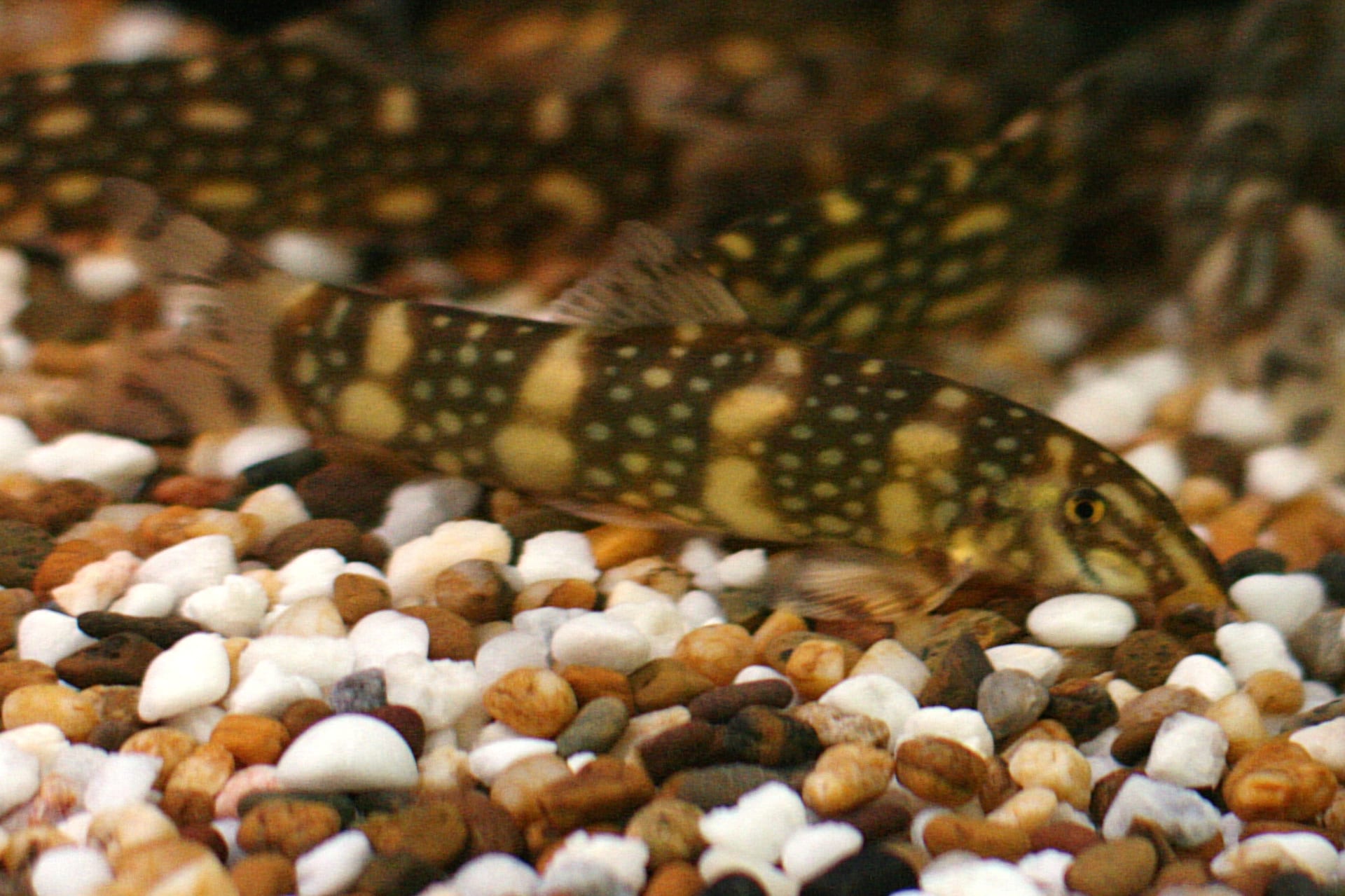
The Burmese Border Loach (Botia kubotai) is one of the most strikingly patterned loaches in the hobby, with rows of yellow spots set between bold black bands. Native to the Attaran River system in eastern Myanmar, it's a strongly social fish that does best in a group, where its active swimming brings real energy to a tank. As the fish matures, the black bands thicken while the yellow spots narrow, so its coloration keeps evolving from juvenile to adult. Reaching around 15cm at full size, it makes a substantial and eye-catching bottom-dweller. It's generally considered suitable for intermediate keepers with some prior aquarium experience.
View Burmese Border Loach encyclopedia →0% commission on your first sales!Register by September 30, 2026 and your first 2 sales are commission-free!
Breeder Wanted!
List on BreederDirect and sell directly to customers nationwide!
Our 6 Transparency Commitments
All Tropical Fish listings include water quality, temperament, and tank size information from verified Breeder.
- Origin Disclosed
- Real Photos
- Water Quality Disclosed
- Recommended Tank Size
- Temperament Disclosed
- Breed Line Disclosed
Browse all 301 breeds
Water Type
Care Level
No listings match your filters
Adjust your filters, or get notified when new listings arrive.
Getting alerts is free with a member account. When new listings match your saved search, we'll notify you by email and in-app.
Browse other categories
Verified breeders (preview)
Are you raising tropical fish?
Register as a breeder and connect with buyers directly.
Apply as a breederAbout Burmese Border Loach
Botia kubotai (Burmese Border Loach): a strikingly patterned loach from Myanmar with black bands and yellow spots, growing to about 15cm. A social, intermediate-level species.
7 things to know before welcoming a Burmese Border Loach
1Keep Them in a Group
Burmese Border Loaches are strongly social and don't settle well when kept alone or in very small numbers. Plan to bring home several individuals together rather than just one or two.
2Provide Plenty of Hiding Spots
Rockwork and driftwood arranged into multiple hiding spots help this species feel secure. A layout with plenty of cover mimics the sheltered habitats it favors in the wild.
3Use Soft, Fine Substrate
This species spends much of its time active along the bottom, so sharp-edged gravel can injure its body. Rounded, fine gravel or sand is a safer choice.
4Coloration Changes With Age
Young fish show prominent yellow spots, but as they mature the black bands thicken while the spots narrow. The look changes noticeably from juvenile to adult, giving keepers something to watch over time.
5Choose Peaceful Tankmates
Its active swimming style can stress out shy or timid fish sharing the tank. Peaceful species with a similar activity level tend to make better companions.
6Plan for Adult Size
Adults reach around 15cm, and since the species is best kept in a group, a reasonably spacious tank is needed. Set up housing with their full-grown size and group living in mind before bringing them home.
7Best for Intermediate Keepers
This species is generally recommended for keepers with some aquarium experience rather than complete beginners. Familiarity with tank cycling and water quality management will help it settle in well.
Frequently asked questions about Burmese Border Loach
- Q.Can beginners keep the Burmese Border Loach?
- A.It's generally considered a species better suited to intermediate keepers, so having some experience with tank cycling and water quality management helps. It's also best planned for as a group fish from the start, so factor that into your tank setup.
- Q.How many should be kept together?
- A.This is a strongly social species that tends to become skittish when kept alone or in very small numbers. Plan for a tank large enough to house a proper group.
- Q.Can it be kept with other tropical fish?
- A.It can generally be housed with peaceful tankmates. That said, it's an active swimmer, so if pairing it with shier fish, be sure to provide plenty of hiding spots to ease any stress.
- Q.Does its coloration change as it grows?
- A.Yes — as the fish matures, the black bands thicken while the yellow spots narrow. The shift in pattern between juvenile and adult is part of its appeal.
- Q.Are there legal restrictions on acquiring one?
- A.The Burmese Border Loach is classified as not subject to CITES. It isn't covered by international trade controls under that framework.
Useful tools for Burmese Border Loach care
Learn more about Burmese Border Loach in the encyclopedia
View Burmese Border Loach encyclopedia entry →
Care difficulty, lifespan, size and diet — all basics covered.
More in this category
Can't find the one you're looking for?
Post your wishes for free and breeders with matching animals will contact you with introductions.