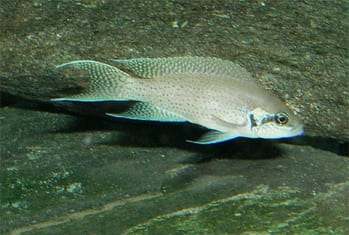
 © David Midgley / CC BY-SA 2.5
Brichardi
Neolamprologus brichardi is a small cichlid native to Lake Tanganyika in East Africa. Its pale grayish-brown body and the delicate, thread-like extensions trailing from the top and bottom of its tail fin give it an elegant, distinctive look. Hardy and sociable, this species forms bonded pairs that defend a territory and breed readily in the aquarium, gradually building a multi-generational colony you can watch develop over time. Reaching only about 9 cm as an adult and rated beginner-friendly, it's a great introduction to Tanganyikan cichlids for first-time keepers.
View Brichardi encyclopedia →0% commission on your first sales!Register by September 30, 2026 and your first 2 sales are commission-free!
Breeder Wanted!
List on BreederDirect and sell directly to customers nationwide!
Our 6 Transparency Commitments
All Tropical Fish listings include water quality, temperament, and tank size information from verified Breeder.
- Origin Disclosed
- Real Photos
- Water Quality Disclosed
- Recommended Tank Size
- Temperament Disclosed
- Breed Line Disclosed
Browse all 301 breeds
Water Type
Care Level
No listings match your filters
Adjust your filters, or get notified when new listings arrive.
Getting alerts is free with a member account. When new listings match your saved search, we'll notify you by email and in-app.
Browse other categories
Verified breeders (preview)
Are you raising tropical fish?
Register as a breeder and connect with buyers directly.
Apply as a breederBrichardi key facts
- Care level
- Beginner-friendly
- Lifespan
- 8-10 years
- Size
- About 9cm
- Temperature
- 22〜25℃
- Diet
- Frozen and live zooplankton, prepared foods
- Tank
- FishBase gives a minimum aquarium length of 80cm. Stack rock to create spawning crevices and territorial boundaries.
- Water Temperature & Quality
- 22-25C, pH 8.0-9.0, 9-19 dGH. Keep the high-pH hard water typical of Lake Tanganyika stable.
- Tank Mates
- It defends its territory strongly and is not suited to a general community tank. Combine it with Tanganyikan species that use different levels.
- Diet & Feeding
- A zooplankton feeder: base the diet on frozen and live foods with dried foods as a supplement, plus a little vegetable matter.
- Breeding & Spawning
- A substrate spawner using rock crevices. The pair guards eggs and fry together, and generations readily accumulate in the same tank.
- Health & Notes
- As the colony grows, territorial disputes appear, so thin the group or move to a larger tank when it becomes crowded. It looks almost identical to the closely related Neolamprologus pulcher, and care guides often cover the two together (Seriously Fish discusses Brichardi under N. pulcher). FishBase lists them as separate species, so check the scientific name if you want a consistent line.
About Brichardi
A guide to Neolamprologus brichardi, a hardy, pair-bonding Lake Tanganyika cichlid prized for its elegant fins and beginner-friendly temperament.
7 things to know before welcoming a Brichardi
1Rockwork & shelters
In the wild they live among rock crevices, so building a rocky layout with hiding spots in the tank helps them settle in. Ceramic caves or pipes work just as well as an alternative.
2Territorial once paired
Once paired, they become notably territorial and will chase away other fish that approach their spawning site. If keeping tankmates, make sure the tank is spacious with plenty of hiding places.
3Breeds readily in pairs
This hardy species pairs up easily and will often spawn and raise fry right in the aquarium. Parents care for their young, so over time the tank naturally fills with multiple generations.
4Prefers hard, alkaline water
Being native to Lake Tanganyika, it thrives in neutral to slightly alkaline water with some hardness. Sudden shifts in water chemistry are stressful, so change water gradually and in small amounts.
5Omnivorous, easy to feed
It readily eats prepared pellets along with frozen and live foods. Feeding small portions several times a day helps keep water quality stable.
6Watch the colony grow
A single pair can gradually grow into a multi-generational colony as breeding continues. It's rewarding to observe how individual roles and social distances shift as the group develops.
7Take time acclimating
This species can be sensitive to the stress of transport and new surroundings, so acclimate it slowly and carefully when you first bring it home. It may stay hidden for a while in a new tank but will come out more as it settles in.
Frequently asked questions about Brichardi
- Q.Can it be kept with other fish?
- A.It can be territorial, so tankmates need enough space to keep their distance, especially from similar-shaped fish. Peaceful species can often coexist with it, but be aware that it becomes more defensive during spawning.
- Q.How do I get it to breed?
- A.Once a pair forms, spawning often happens naturally in the aquarium without special equipment. Providing a rocky crevice or similar spawning site makes it easier to observe their breeding behavior.
- Q.How should I manage water quality?
- A.It prefers neutral to slightly alkaline water with some hardness, so regular partial water changes help keep conditions stable. Avoid sudden shifts and adjust water parameters gradually.
- Q.Is it subject to CITES?
- A.Neolamprologus brichardi is not subject to CITES.
- Q.Is it suitable for beginners?
- A.Yes, it's rated as beginner-friendly and is a hardy, adaptable species. As long as you manage the basics of water quality and feeding, first-time aquarists can enjoy keeping it.
Useful tools for Brichardi care
Learn more about Brichardi in the encyclopedia
View Brichardi encyclopedia entry →
Care difficulty, lifespan, size and diet — all basics covered.
More in this category
Can't find the one you're looking for?
Post your wishes for free and breeders with matching animals will contact you with introductions.