 © Axel Zarske and D. Bork / CC BY 4.0
Blue Tetra
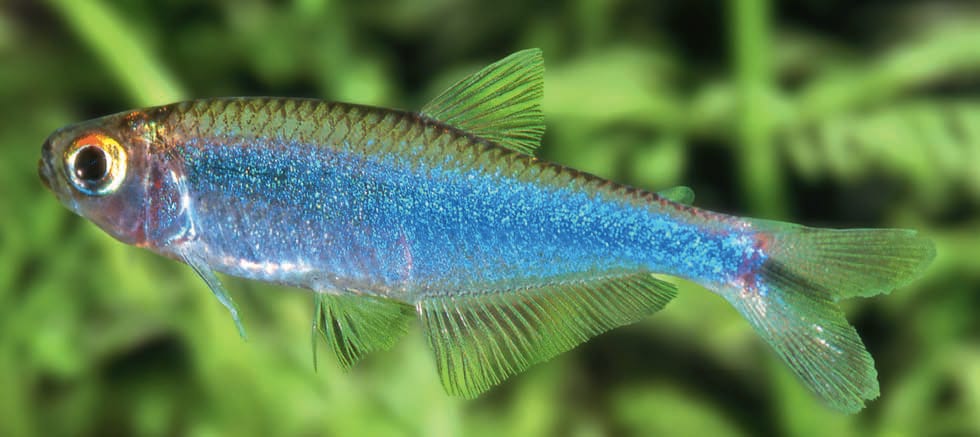
The Blue Tetra is a small characin known for the vivid blue sheen along its body—so intense that some fish are mistaken for dyed specimens. Despite its small size, it's a highly active swimmer that thrives in a lively shoal. During feeding time or in a cramped tank, Blue Tetras can nip at other fish's fins, so tankmates and swimming space need some thought. A dark substrate paired with floating plants makes their blue coloring really pop. Adults reach about 5cm, and this species is generally considered suitable for intermediate-level keepers.
View Blue Tetra encyclopedia →0% commission on your first sales!Register by September 30, 2026 and your first 2 sales are commission-free!
Breeder Wanted!
List on BreederDirect and sell directly to customers nationwide!
Our 6 Transparency Commitments
All Tropical Fish listings include water quality, temperament, and tank size information from verified Breeder.
- Origin Disclosed
- Real Photos
- Water Quality Disclosed
- Recommended Tank Size
- Temperament Disclosed
- Breed Line Disclosed
Browse all 301 breeds
Water Type
Care Level
No listings match your filters
Adjust your filters, or get notified when new listings arrive.
Getting alerts is free with a member account. When new listings match your saved search, we'll notify you by email and in-app.
Browse other categories
Verified breeders (preview)
Are you raising tropical fish?
Register as a breeder and connect with buyers directly.
Apply as a breederBlue Tetra key facts
- Care level
- Intermediate
- Lifespan
- 3-5 years
- Size
- About 5cm
- Temperature
- 22〜26℃
- Diet
- Dried foods, frozen bloodworm, Daphnia, brine shrimp and some plant matter
- Tank
- Seriously Fish suggests a base of at least 75 by 38cm, about 86 litres at 30cm depth. The fish is small but swims a great deal, so a nano tank will not do. Plant densely and soften the light with a dark substrate and floating plants to bring out the blue; an Amazon layout of driftwood and leaf litter suits it as well.
- Water Temperature & Quality
- Seriously Fish gives 22-26C, pH 5.5-7.0 and 5-12 dGH. The FishBase page carries no water figures for this species, so these come from that one source. It settles best in soft, slightly acidic water.
- Tank Mates
- Broadly peaceful, but it will nip the fins of its own kind and of long-finned species, most noticeably at feeding time or in cramped quarters. Keeping eight to ten or more in a roomy tank spreads the aggression among themselves and settles it. Avoid slow or retiring tank mates, which are overwhelmed by its constant movement, and do not use it as a dither fish for dwarf cichlids.
- Diet & Feeding
- It eats almost anything and is especially keen on small live and frozen foods such as bloodworm, Daphnia and brine shrimp. Include some plant matter, blanched spinach or a good algae-based flake.
- Breeding & Spawning
- It has been bred, but little is documented. Set up a bare-bottomed tank of about 30 by 20cm with a small air-driven filter and a couple of potted broad-leaved plants such as Amazon swords, since the female is said to lay under a wide leaf. Remove the adults once eggs are seen. Mature females are rounder in the belly, and males are more strongly coloured with the anal fin flushing red in spawning condition.
- Health & Notes
- FishBase lists it as IUCN Data Deficient, not on the CITES appendices and harmless to people. The trade name blue tetra was long attached to Boehlkea fredcochui, but FishBase and GBIF treat the two as separate species, so expect the scientific name on the label to vary between shops.
About Blue Tetra
Blue Tetra: a small characin with vivid blue coloring and an active, shoaling nature. May nip fins if crowded or underfed. Adults reach about 5cm; suited to intermediate keepers.
7 things to know before welcoming a Blue Tetra
1Vivid Blue Coloring
The Blue Tetra's body shines with an intense blue that's so vivid, newcomers sometimes assume it's been dyed. Paired with a dark substrate, this coloring stands out even more.
2Small but Very Active
Despite its small size, this fish swims energetically throughout the tank. Choose a tank with plenty of open swimming space to keep it comfortable.
3Watch for Fin-Nipping
At feeding time or in a cramped tank, Blue Tetras may nip at other fish's fins. Avoid overcrowding and long-finned tankmates, and make sure feeding amounts are adequate.
4Keep in a Group
Keeping a proper shoal rather than just one or two fish spreads out nipping behavior and reduces stress on any single tankmate. Consider bringing home a small group together.
5Ideal Tank Layout
A dark substrate combined with floating plants really makes the blue coloring pop. Adding some shaded spots also helps the fish feel secure.
6Adults Reach About 5cm
Blue Tetras stay compact, reaching only about 5cm as adults. Still, because they're such active swimmers, choose a tank sized for their activity level, not just their body size.
7Suited to Intermediate Keepers
This species is generally considered suitable for intermediate keepers who have some experience with water quality management and tankmate selection. Make sure your tank is fully cycled and stable before bringing them home.
Frequently asked questions about Blue Tetra
- Q.Is the Blue Tetra suitable for beginners?
- A.The Blue Tetra is generally considered a fish for intermediate keepers. Having some experience with water quality management and choosing compatible tankmates helps ensure a smooth experience.
- Q.Can Blue Tetras be kept with other fish?
- A.Community keeping is possible, but Blue Tetras may nip at other fish's fins during feeding time or in a crowded tank. Avoid pairing them with long-finned species and make sure there's enough space.
- Q.How big do Blue Tetras get?
- A.Adults reach a compact size of about 5cm. Since they're very active swimmers, though, it's worth choosing a tank sized for their activity level rather than just their body size.
- Q.What kind of tank layout works best?
- A.A dark substrate paired with floating plants makes the blue coloring stand out beautifully. Adding some shaded areas also helps the fish feel secure.
- Q.Is the Blue Tetra subject to CITES?
- A.No, the Blue Tetra is classified as not subject to CITES.
Useful tools for Blue Tetra care
Learn more about Blue Tetra in the encyclopedia
View Blue Tetra encyclopedia entry →
Care difficulty, lifespan, size and diet — all basics covered.
More in this category
Can't find the one you're looking for?
Post your wishes for free and breeders with matching animals will contact you with introductions.