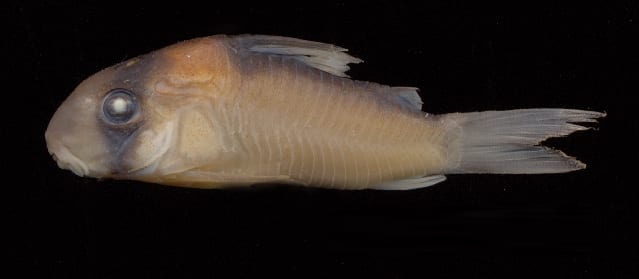
 © Claudio de Oliveira, Laboratório de Biologia e Genética de Peixes - UNESP - Botucatu / CC BY 3.0
Adolfo's Corydoras
Corydoras adolfoi is a small catfish prized for its striking three-tone pattern: a white body, a black mask across the eyes, a dark diagonal band across the back, and an orange patch behind the head. Native to the Rio Negro basin, it has a calm, peaceful temperament that makes it a good tankmate for many other fish. Watching it forage along the substrate with its barbels is one of its charms, and because it's a naturally shoaling species, keeping several together lets you see its calmer, more natural behavior. It prefers soft, slightly acidic water, so water quality needs a bit of extra attention — this is generally considered a fish for hobbyists with some Corydoras experience. It's also known for its close resemblance to the closely related Corydoras duplicareus.
View Adolfo's Corydoras encyclopedia →0% commission on your first sales!Register by September 30, 2026 and your first 2 sales are commission-free!
Breeder Wanted!
List on BreederDirect and sell directly to customers nationwide!
Our 6 Transparency Commitments
All Tropical Fish listings include water quality, temperament, and tank size information from verified Breeder.
- Origin Disclosed
- Real Photos
- Water Quality Disclosed
- Recommended Tank Size
- Temperament Disclosed
- Breed Line Disclosed
Browse all 301 breeds
Water Type
Care Level
No listings match your filters
Adjust your filters, or get notified when new listings arrive.
Getting alerts is free with a member account. When new listings match your saved search, we'll notify you by email and in-app.
Browse other categories
Verified breeders (preview)
Are you raising tropical fish?
Register as a breeder and connect with buyers directly.
Apply as a breederAdolfo's Corydoras key facts
- Care level
- Intermediate
- Lifespan
- 5-8 years
- Size
- 5.5-6cm
- Temperature
- 20〜26℃
- Diet
- Sinking dried foods, frozen bloodworm, Tubifex
- Tank
- Use fine rounded sand with wood and leaf litter for cover, and never block access to the water surface.
- Water Temperature & Quality
- 20-26C, pH 4.0-7.0, 1-5dGH; soft, acidic water is preferred. FishBase records 22-26C, pH 6.0-8.0 and 2-25dH in the wild.
- Tank Mates
- Peaceful and gregarious; keep at least four to six. Pair it with fishes of similar water requirements, such as soft-water characins.
- Diet & Feeding
- A foraging omnivore. Offer sinking dried food plus frozen bloodworm and Tubifex. It must never be expected to live on leftovers or to clean the tank.
- Breeding & Spawning
- Use two males per female. Once females are gravid, make a 50-70 percent water change with cooler water and raise oxygenation and flow. Eggs are laid on glass, fine-leaved plants or spawning mops.
- Health & Notes
- Assessed Least Concern by the IUCN Red List. It closely resembles Hoplisoma duplicareum, so a shop label alone may not identify which species you have.
About Adolfo's Corydoras
Corydoras adolfoi is a small catfish with a white body, black eye mask, and orange patch, native to the Rio Negro basin. It prefers soft, acidic water and its calm temperament suits community tanks, though it's best suited to hobbyists with some experience.
7 things to know before welcoming a Adolfo's Corydoras
1Prefers Soft, Acidic Water
Corydoras adolfoi comes from the Rio Negro basin and prefers soft water on the acidic side. Prepare the water chemistry before introducing them and avoid sudden changes.
2Calmer in a Shoal
This species naturally shoals, so keeping several together helps them settle in and show more natural, confident behavior than a single fish would.
3Choose Substrate Carefully
They forage along the bottom using their barbels, so sharp gravel can damage them. A smooth, rounded substrate is gentler on their sensitive whiskers.
4Look-Alike: C. duplicareus
This species closely resembles the related Corydoras duplicareus. Check the pattern details and confirm the labeled species before buying.
5Sensitive to Sudden Changes
They can be sensitive to abrupt shifts in water parameters, so do small, frequent water changes and match temperature and chemistry closely.
6Peaceful, Community-Friendly
Adolfoi corys are peaceful and rarely bother other fish, making them good tankmates for similarly water-loving species. Add hiding spots so they can retreat when needed.
7Best for Experienced Keepers
This species is generally considered suited to hobbyists with some prior experience, since it benefits from attentive water quality management. Beginners may want to start with a hardier species first.
Frequently asked questions about Adolfo's Corydoras
- Q.Is this fish suitable for beginners?
- A.Corydoras adolfoi is generally considered a species for hobbyists with some experience, as it prefers soft, slightly acidic water. It's best to gain some general aquarium experience before taking one on.
- Q.Can it be kept with other fish?
- A.It has a peaceful temperament and rarely bothers other fish. It gets along well with tankmates that enjoy similar water conditions.
- Q.How is it different from Corydoras duplicareus?
- A.Corydoras duplicareus is a closely related species with a very similar appearance. When buying, it's worth checking the pattern details and confirming the labeled species.
- Q.How many should be kept together?
- A.This species naturally shoals, so keeping several together tends to result in calmer, more confident behavior than keeping just one.
- Q.How should I manage water quality for this fish?
- A.Since it prefers soft, slightly acidic water, keep temperature and chemistry differences small during water changes. Avoid sudden shifts and aim for a stable environment.
Useful tools for Adolfo's Corydoras care
Learn more about Adolfo's Corydoras in the encyclopedia
View Adolfo's Corydoras encyclopedia entry →
Care difficulty, lifespan, size and diet — all basics covered.
More in this category
Can't find the one you're looking for?
Post your wishes for free and breeders with matching animals will contact you with introductions.