 © Jutta234 / CC BY-SA 3.0
Elephantnose Fish
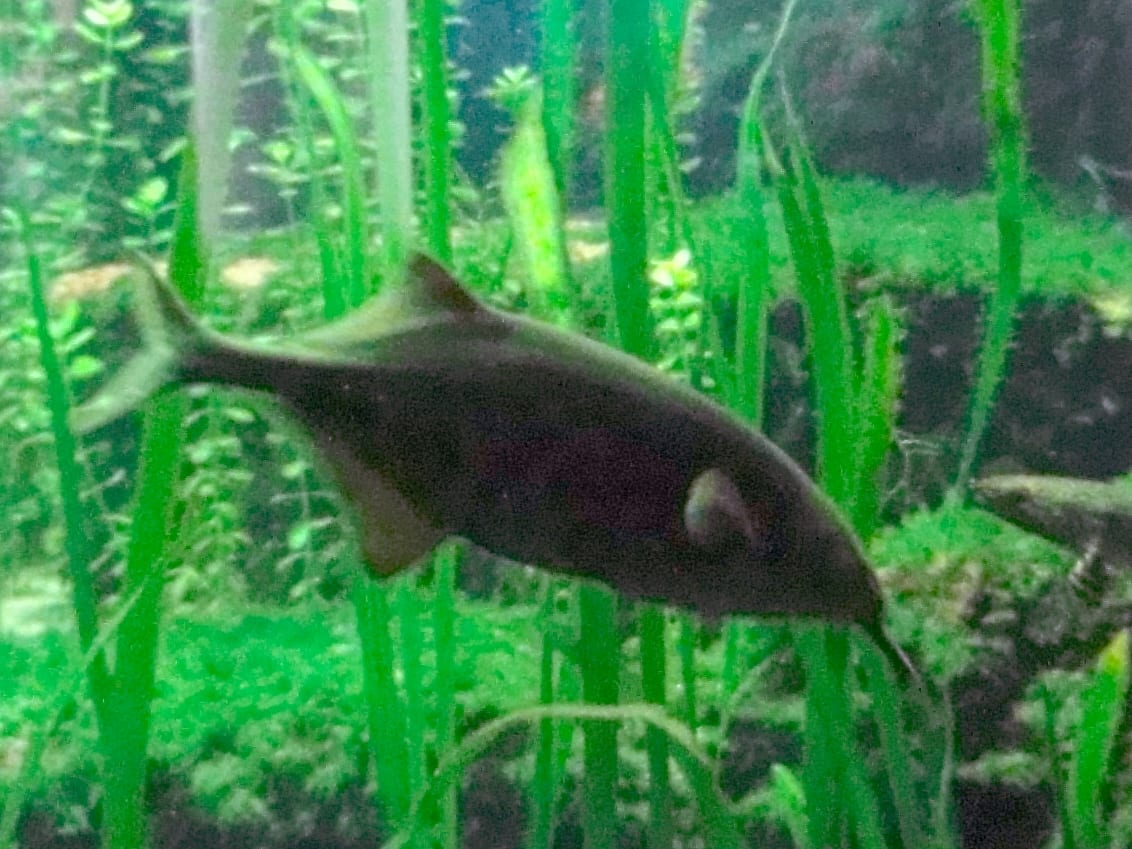
The elephantnose fish is a striking freshwater species from Africa, known for generating a weak electric field to sense its surroundings. What looks like a trunk is actually an extended lower jaw packed with sensory receptors, used to probe the sand for hidden food. It's a cautious, solitary fish that spends much of its time tucked away in cover, though it grows more visible once settled into a stable environment. Because its sensory organ is delicate, a tank with fine sand substrate and soft, dim lighting is essential. With a lifespan of 6 to 10 years, long for a freshwater fish, it rewards patient owners with a genuinely unique companion, making it a good choice for more experienced keepers.
View Elephantnose Fish encyclopedia →0% commission on your first sales!Register by September 30, 2026 and your first 2 sales are commission-free!
Breeder Wanted!
List on BreederDirect and sell directly to customers nationwide!
Our 6 Transparency Commitments
All Tropical Fish listings include water quality, temperament, and tank size information from verified Breeder.
- Origin Disclosed
- Real Photos
- Water Quality Disclosed
- Recommended Tank Size
- Temperament Disclosed
- Breed Line Disclosed
Browse all 301 breeds
Water Type
Care Level
No listings match your filters
Adjust your filters, or get notified when new listings arrive.
Getting alerts is free with a member account. When new listings match your saved search, we'll notify you by email and in-app.
Browse other categories
Verified breeders (preview)
Are you raising tropical fish?
Register as a breeder and connect with buyers directly.
Apply as a breederAbout Elephantnose Fish
Meet the elephantnose fish, an African freshwater species known for using weak electric signals to sense its surroundings. Learn about its unique sensory organ, ideal tank setup, and lifespan before bringing one home.
7 things to know before welcoming a Elephantnose Fish
1Fine, Soft Sand Substrate
Elephantnose fish use their sensitive trunk-like organ to probe the substrate for food, so choose fine, rounded sand rather than coarse gravel. Sharp-edged gravel can injure this delicate sensory organ.
2Plenty of Hiding Spots
This is a shy, cautious fish that spends much of its time resting in cover. Provide several hiding places, such as driftwood, tubes, or plants, so it can feel secure.
3Dim Lighting Works Best
Bright light tends to stress this species, which prefers a subdued environment. Keep the tank lighting low and add decorations that cast shadows for it to retreat into.
4Uses Weak Electric Signals
This fish generates a weak electric field to sense objects and navigate its surroundings, a form of electrolocation rather than a defensive shock. It's a remarkable adaptation unique to this species.
5Sensitive to Water Quality
Elephantnose fish are known to be sensitive to declining water conditions and can lose condition quickly if water quality slips. Regular water changes and reliable filtration help keep conditions stable.
6Nocturnal, Prefers Sinking Food
This species is most active during dim hours and tends to forage after dark. Sinking foods like frozen bloodworms, placed near hiding spots, are easiest for it to find.
7Best Kept Alone
Individuals of this species often become territorial toward each other, so keeping more than one requires a spacious tank and careful monitoring. It can generally coexist peacefully with other calm fish, but tankmates should be chosen with care.
Frequently asked questions about Elephantnose Fish
- Q.Is the elephantnose fish suitable for beginners?
- A.This species is generally considered better suited to experienced aquarists. Its need for fine sand substrate and dim lighting calls for some prior fishkeeping experience before taking it on.
- Q.What is that trunk-like organ on its face?
- A.It isn't actually a nose — it's an extended lower jaw that functions as a sensory organ. The fish uses it to locate food hidden in the substrate.
- Q.Can it be kept with other fish?
- A.It tends to get along reasonably well with calm tankmates, but individuals of its own species often become territorial toward one another. If keeping multiple fish, introduce them carefully and watch for aggression.
- Q.How big does it grow?
- A.It typically reaches a standard length of up to about 35 cm, though some sources cite around 22.5 cm. Plan for a sufficiently spacious tank either way.
- Q.What is its typical lifespan?
- A.With well-maintained conditions, it can live roughly 6 to 10 years. Stable water quality and adequate hiding places play a role in supporting a long lifespan.
Useful tools for Elephantnose Fish care
Learn more about Elephantnose Fish in the encyclopedia
View Elephantnose Fish encyclopedia entry →
Care difficulty, lifespan, size and diet — all basics covered.
More in this category
Can't find the one you're looking for?
Post your wishes for free and breeders with matching animals will contact you with introductions.