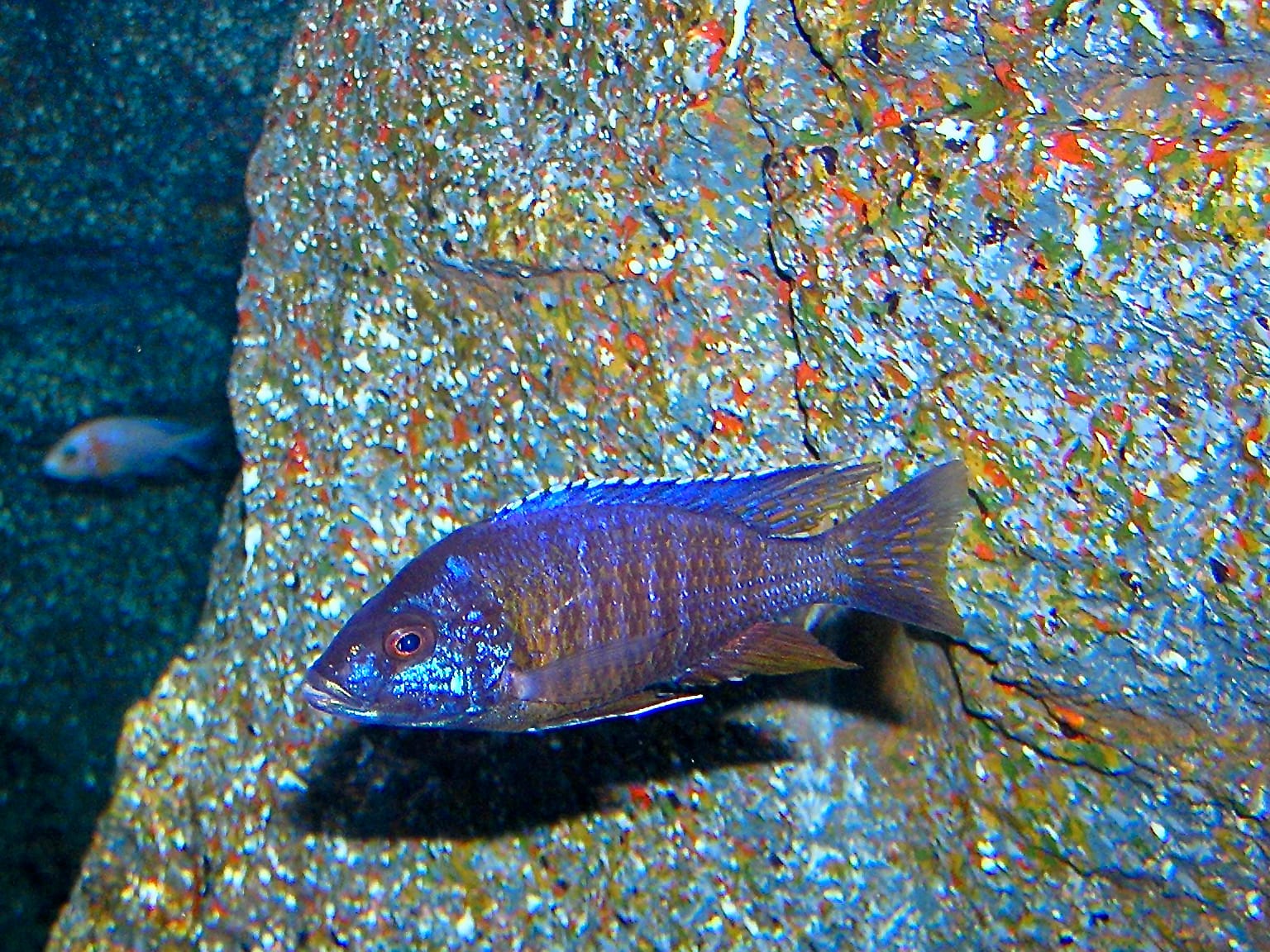
 © NasserHalaweh / CC BY-SA 4.0
Electric Blue Hap
Sciaenochromis fryeri, widely known as the Electric Blue Hap, is a medium-sized cichlid native to Lake Malawi in East Africa. Mature males develop a stunning cobalt-blue body that ranks among the most striking colors found in Malawi cichlids. In the wild they are piscivorous, ambushing smaller fish among rocky outcrops, and this hunting instinct shows in their alert, agile swimming style. They can be somewhat territorial toward their own kind, but a well-planned rockwork layout helps keep tankmates calm. Adults reach an impressive 12 to 20 cm, giving them real presence in a display tank. Because of their specific needs, they are best suited to aquarists with some prior cichlid-keeping experience.
View Electric Blue Hap encyclopedia →0% commission on your first sales!Register by September 30, 2026 and your first 2 sales are commission-free!
Breeder Wanted!
List on BreederDirect and sell directly to customers nationwide!
Our 6 Transparency Commitments
All Tropical Fish listings include water quality, temperament, and tank size information from verified Breeder.
- Origin Disclosed
- Real Photos
- Water Quality Disclosed
- Recommended Tank Size
- Temperament Disclosed
- Breed Line Disclosed
Browse all 301 breeds
Water Type
Care Level
No listings match your filters
Adjust your filters, or get notified when new listings arrive.
Getting alerts is free with a member account. When new listings match your saved search, we'll notify you by email and in-app.
Browse other categories
Verified breeders (preview)
Are you raising tropical fish?
Register as a breeder and connect with buyers directly.
Apply as a breederElectric Blue Hap key facts
- Care level
- Intermediate
- Lifespan
- 8-12 years
- Size
- 12-20cm
- Temperature
- 24〜28℃
- Diet
- Prepared foods and frozen foods (animal-based)
- Tank
- 150 x 45cm (about 300 litres) or larger. Provide both rockwork and open swimming space at the front.
- Water Temperature & Quality
- 24-28C, pH 7.6-8.8, 10-25 dGH. Maintain hard alkaline water.
- Tank Mates
- Avoid mbuna and similarly coloured fish. Species of comparable size such as Nimbochromis or Cyrtocara suit it. Keep one male with several females.
- Diet & Feeding
- A piscivore, so feed mainly animal-based foods: live, frozen and dried in combination. Do not feed mammal meat.
- Breeding & Spawning
- A mouthbrooder. Spawn one male with at least three females; the female carries the brood for about three weeks.
- Health & Notes
- Small fish will be eaten, so do not house them together. Male colour depends on water quality and condition, so keep feeding and water changes consistent. The trade name ahli comes from a different fish, Sciaenochromis ahli, but the blue cichlid sold in the hobby is almost always this species, S. fryeri, so check the scientific name.
About Electric Blue Hap
Sciaenochromis fryeri (Electric Blue Hap) from Lake Malawi dazzles with cobalt-blue males. Learn its traits, temperament, and key care points before bringing one home.
7 things to know before welcoming a Electric Blue Hap
1Rockwork layout is key
In the wild, this species lurks among rocky outcrops to ambush smaller fish, so recreating a rocky layout with plenty of crevices gives it a natural sense of shelter. Well-placed rockwork also helps break up sightlines between rivals, easing tension among same-species tankmates.
2Color develops with age
Young fish often show fairly plain coloring, and it takes time for males to develop their signature cobalt-blue hue as they mature. Patience and stable conditions are key to bringing out their best color.
3Feed with its diet in mind
Since this species is piscivorous in the wild, offering some animal-based foods alongside quality pellets or flakes helps keep it in good condition. Avoid keeping it with very small fish, as they may be viewed as prey.
4Territorial among males
Mature males can be territorial and may chase one another to assert dominance. Providing a spacious tank with multiple hiding spots spread throughout helps prevent any one fish from monopolizing the space.
5Prioritize stable water quality
Malawi cichlids are sensitive to sudden shifts in water chemistry, so keeping water changes consistent in timing and volume matters. Aim for gradual, steady water parameters rather than abrupt swings.
6Plan for adult size
Adults grow to roughly 12–20 cm, so it's wise to prepare a tank sized for their eventual bulk well in advance. A good layout balances open swimming space with rocky hiding areas.
7Check tankmate compatibility early
Given its predatory instincts and territorial streak, take care when pairing it with much smaller fish. Before bringing one home, research compatible tankmates and plan your rockwork and hiding spots accordingly.
Frequently asked questions about Electric Blue Hap
- Q.Can it be kept with other cichlids?
- A.It generally does well alongside other Lake Malawi cichlids of similar size and temperament. Because it's a piscivore, avoid pairing it with very small fish that could be seen as prey.
- Q.How large a tank does it need?
- A.Since adults reach roughly 12–20 cm, you'll want a tank with swimming space suited to their eventual size. Leave extra room for rockwork as well.
- Q.How can I tell males from females?
- A.Mature males are known for their vivid cobalt-blue coloring across the whole body. Females and juveniles tend to show more muted tones, and appearance can shift noticeably as they grow.
- Q.Is this species suitable for beginners?
- A.It's generally considered suited to intermediate keepers, so some prior cichlid experience helps. Understanding water quality management and territorial behavior beforehand will make for a smoother start.
- Q.Is it subject to CITES regulations?
- A.This species is not subject to CITES.
Useful tools for Electric Blue Hap care
Learn more about Electric Blue Hap in the encyclopedia
View Electric Blue Hap encyclopedia entry →
Care difficulty, lifespan, size and diet — all basics covered.
More in this category
Can't find the one you're looking for?
Post your wishes for free and breeders with matching animals will contact you with introductions.