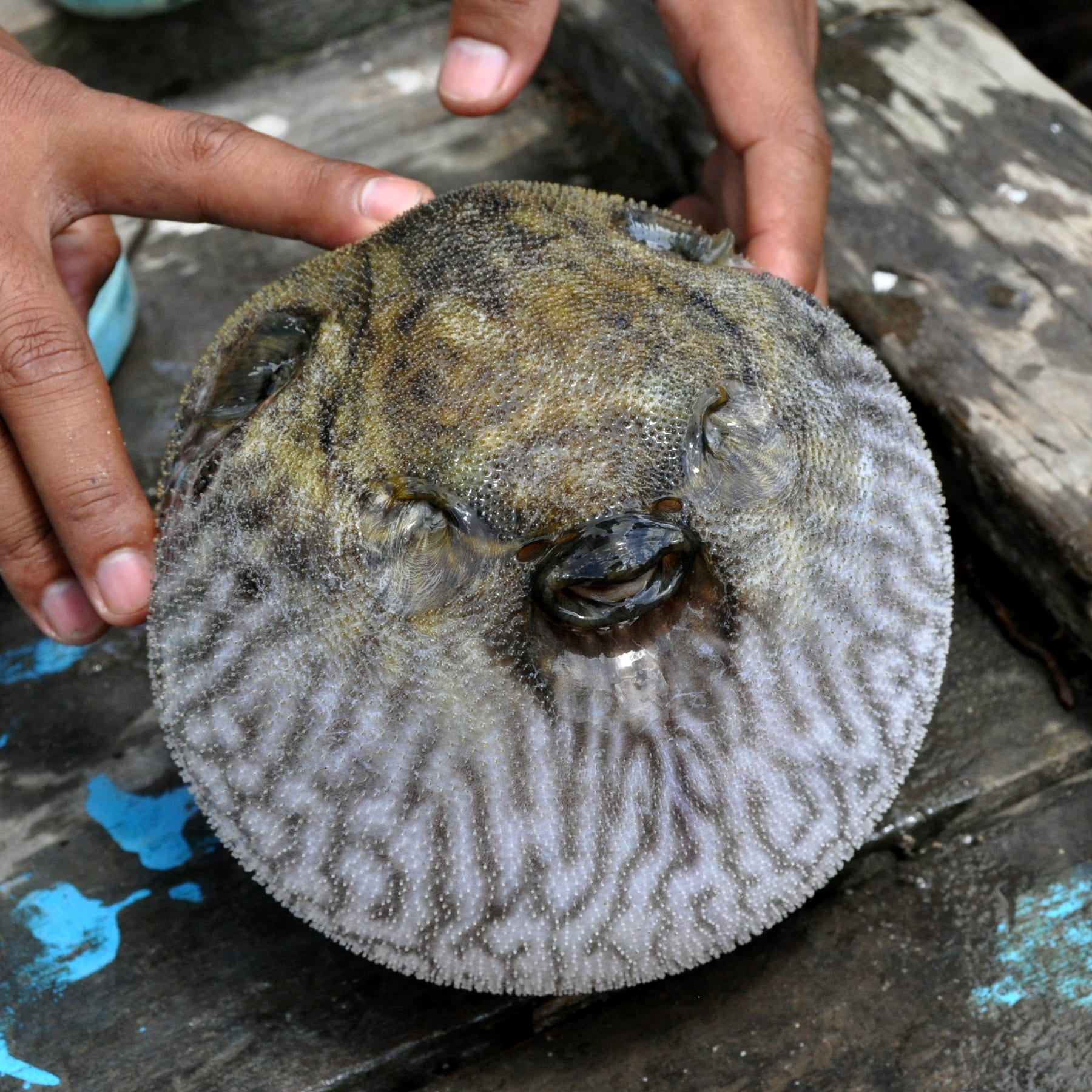
 © Abu Hamas / CC BY-SA 4.0
Humpback Puffer
The Indochinese Leopard Puffer is a medium-sized freshwater puffer native to Thailand, Laos, Malaysia, and Indonesia. True to its name, it displays a striking leopard-spotted pattern and a distinctively humped back. Growing to about 15-20cm, this species isn't a strong swimmer by nature — instead, it prefers to lie in wait among rocks and driftwood, ambushing prey as it passes by. Its watchful, somewhat high-strung temperament makes it a rewarding fish for keepers who enjoy observing natural hunting behavior rather than constant activity.
View Humpback Puffer encyclopedia →0% commission on your first sales!Register by September 30, 2026 and your first 2 sales are commission-free!
Breeder Wanted!
List on BreederDirect and sell directly to customers nationwide!
Our 6 Transparency Commitments
All Tropical Fish listings include water quality, temperament, and tank size information from verified Breeder.
- Origin Disclosed
- Real Photos
- Water Quality Disclosed
- Recommended Tank Size
- Temperament Disclosed
- Breed Line Disclosed
Browse all 301 breeds
Water Type
Care Level
No listings match your filters
Adjust your filters, or get notified when new listings arrive.
Getting alerts is free with a member account. When new listings match your saved search, we'll notify you by email and in-app.
Browse other categories
Verified breeders (preview)
Are you raising tropical fish?
Register as a breeder and connect with buyers directly.
Apply as a breederHumpback Puffer key facts
- Care level
- Intermediate
- Size
- About 15–20 cm
- Temperature
- 24〜28℃
- Diet
- Live and frozen meaty foods, snails and shellfish
- Water
- It can be kept in slightly acidic to slightly alkaline water at pH 6.5–7.5, with hardness of about 8–20 dH. It is sensitive to deteriorating water quality, so never skip regular partial water changes.
- Water Temperature & Quality
- Keep the water at 24–28°C. A single fish is comfortable in a tank with a base of about 120 × 30 cm; provide hiding places with driftwood, large rocks or clay flowerpots.
- Tank Mates & Compatibility
- It eats fish, so it is unsuited to community tanks and is best kept alone. It is not especially hostile to its own kind but can still bite; if keeping several, add plenty of hiding places and visual barriers.
- Diet & Feeding
- A carnivore that prefers live foods such as snails, freshwater shrimp, bloodworms and small fish. It may refuse dead food at first, but with patience it can be weaned onto frozen bloodworms, krill and prepared foods.
- Notes
- Its teeth grow continuously, so feed snails and shell-on clams regularly to wear them down. It is timid and darkens in colour when stressed or unwell, so always provide a secure hiding place.
About Humpback Puffer
A medium-sized freshwater puffer from Thailand, Laos, Malaysia, and Indonesia, known for its leopard-spotted pattern. Grows to 15-20cm; a watchful ambush predator suited to intermediate keepers.
7 things to know before welcoming a Humpback Puffer
1Provide Hiding Spots
Since this puffer naturally lies in wait among cover to ambush prey, driftwood, rocks, and pots for hiding places are essential in the tank layout. Without enough hiding spots, it can become stressed and its condition may decline.
2Respect Its Skittish Nature
This is a nervous species that spends much of its time motionless in hiding rather than swimming actively. Avoid placing the tank somewhere with sudden disturbances, and keep layout changes to a minimum so it can stay settled.
3Best Kept Alone
It's territorial and may attack conspecifics or smaller tankmates, so solitary housing is generally recommended. If you do consider tankmates, watch closely for chasing or fin-nipping.
4Teeth Keep Growing
Like other puffers, its teeth grow continuously and need to be worn down with hard-shelled foods such as snails or shrimp offered regularly. Overgrown teeth can make it difficult for the fish to close its mouth and feed properly.
5Sensitive to Water Quality
As a carnivore, it produces a fair amount of leftover food and waste, so water quality can decline quickly. Frequent water changes and a strong filter are key to keeping the fish healthy.
6Plan for Adult Size
Adults reach around 15-20cm, so it's worth choosing a tank sized for its eventual growth from the start. Long-term housing in a cramped tank puts unnecessary strain on the fish.
7Suited to Solo Display Tanks
Since it prefers lurking in cover over active swimming, it tends to shine more in a quiet, single-species display tank where its natural behavior can be observed, rather than in a lively community setup.
Frequently asked questions about Humpback Puffer
- Q.Can it be kept with other fish?
- A.It's territorial and can be aggressive, so it's not well suited to community tanks. Solitary keeping is generally recommended, and if you do attempt tankmates, provide ample hiding spots and space while monitoring behavior closely.
- Q.Is this puffer suitable for beginners?
- A.This species is generally considered suitable for intermediate keepers. Because it requires attentive water quality management and a varied diet, some prior fishkeeping experience is recommended before taking one on.
- Q.What should I feed it?
- A.Since its teeth grow continuously, it's important to regularly include hard-shelled foods like snails and shrimp in its diet. Varying the diet also helps ensure balanced nutrition.
- Q.How large a tank does it need?
- A.Since adults reach around 15-20cm, a tank sized to comfortably fit that adult size is necessary. Be sure to leave enough layout space for hiding spots as well.
- Q.Is it a health problem if it barely swims?
- A.No, lying in wait for prey rather than swimming actively is natural behavior for this species. That said, if you notice unusual signs like a poor feeding response or noticeably faded coloration, it's worth checking water quality and overall health.
Useful tools for Humpback Puffer care
Learn more about Humpback Puffer in the encyclopedia
View Humpback Puffer encyclopedia entry →
Care difficulty, lifespan, size and diet — all basics covered.
More in this category
Can't find the one you're looking for?
Post your wishes for free and breeders with matching animals will contact you with introductions.