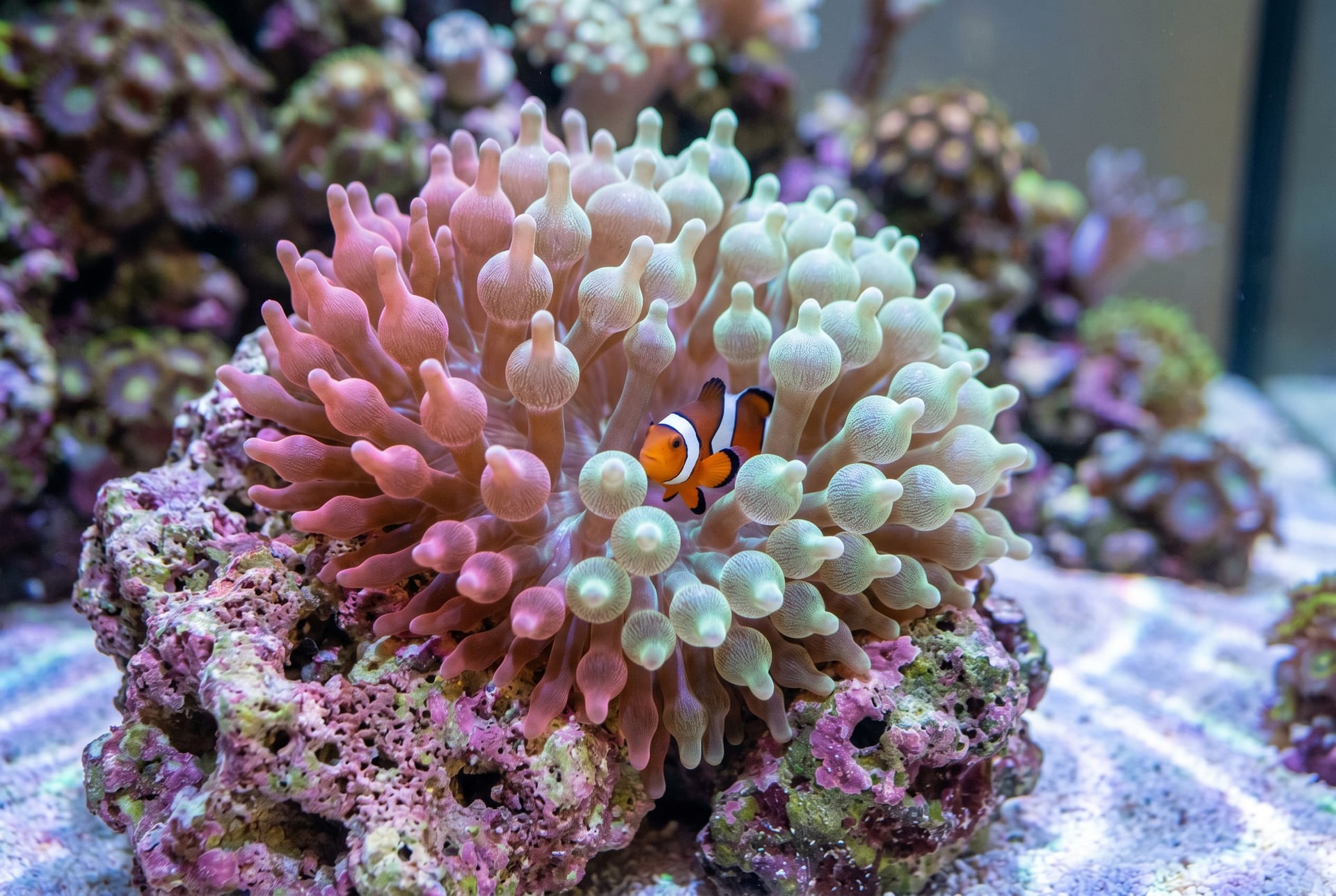
Anemone
Sea anemones are captivating marine invertebrates known for their gently swaying tentacles, and they are especially popular for their symbiotic relationship with clownfish such as the ocellaris clownfish. Their colors range widely from red and green to brown depending on the species, making them a striking centerpiece in any reef tank. With stable water quality and adequate lighting, they can thrive long-term and are cherished by many aquarists.
View Anemone encyclopedia →Breeder Wanted!
List on BreederDirect and sell directly to customers nationwide!
BreederDirect's 6 Transparency Commitments
Our Breeder sellers disclose detailed care specs for all Coral listings. We prioritize Aquacultured/CB specimens, verify WYSIWYG photos, and provide difficulty ratings—avoiding wild-caught.
- Aquacultured
- WYSIWYG Photo
- Difficulty Disclosed
- Frag/Colony
- Care Info Included
- Trade name shown
Browse all 241 breeds
Difficulty
No listings match your filters
Adjust your filters, or get notified when new listings arrive.
Getting alerts is free with a member account. When new listings match your saved search, we'll notify you by email and in-app.
Browse other categories
Verified breeders (preview)
Anemone key facts
- Care level
- Intermediate
- Lifespan
- Decades with proper care
- Size
- 10-30cm diameter
- Temperature
- 24〜27℃
- Diet
- Photosynthesis + feeding (fish, shrimp, prepared food)
- Lighting
- Moderate-to-strong light for symbiotic algae (150+ PAR)
- Flow & Placement
- It prefers moderate random flow. Because it moves and stings other corals, arrange the tank so it cannot touch them and guard pump intakes.
- Water Temperature & Quality
- Keep 24-27°C and clean water. It is relatively hardy among host anemones, and in good conditions it may split and multiply.
- Clownfish
- Hosts ocellaris/tomato/clarkii etc.; a classic host
- Feeding
- Feed minced fish or shrimp 1-2x weekly
- Notes
- Guard pump intakes; needs clean water
About Anemone
Sea anemones belong to the phylum Cnidaria and are found in oceans worldwide. Popular aquarium species such as the Carpet, Sebae, and Bubble-Tip anemone originate from the coral reefs of the Indo-Pacific. Their most distinctive feature is a crown of radiating tentacles lined with stinging cells called nematocysts, which they use to capture small crustaceans and fish. Body coloration — ranging from red and green to brown — reflects the health of their symbiotic zooxanthellae algae, with vibrant hues indicating a thriving specimen. The partnership between clownfish and anemones is one of the most celebrated relationships in the natural world: clownfish develop a mucus coating that renders them immune to the anemone's sting, allowing them to shelter among the tentacles while inadvertently providing nutrients and protection to their host. Observing this interplay firsthand is central to the appeal of keeping anemones, and with proper care they can be kept in captivity for decades.
7 things to know before welcoming a Anemone
1Check Compatible Clownfish
Not all clownfish will host every species of anemone. The Bubble-Tip anemone (Entacmaea quadricolor) is a classic host for ocellaris, saddleback, and Clark's clownfish, but it is still important to research compatible combinations beforehand. Mismatched pairings may result in failed symbiosis and unnecessary stress for the anemone.
2Moderate-to-High Lighting Required
Most sea anemones host zooxanthellae algae in their tissues and rely on photosynthesis for a significant portion of their energy. This means moderate-to-strong lighting is needed, with roughly 150 PAR or more as a guideline. Insufficient light leads to bleaching and eventual decline.
3Maintain Pristine Water Quality
Sea anemones are sensitive to water parameter fluctuations and are particularly vulnerable to elevated nitrates and phosphates. Keep the temperature at around 24–27°C with consistently clean water, and use a protein skimmer for best results. Deteriorating water quality often causes the anemone to retract, wander, or repeatedly expel its stomach contents.
4Watch for Wandering Behavior
Anemones attach to rock or substrate via their pedal disc, but will wander if they are unhappy with their environment. Contact with unprotected pump or powerhead intakes can cause fatal injuries, so covering all intakes with sponge guards is essential. Once a suitable spot is found, they generally stay put — so focus on getting conditions right from the start.
5Feed as a Supplement
While photosynthesis covers much of their energy needs, supplemental feeding 1–2 times per week is generally recommended. Place small pieces of shrimp or silverside fish directly onto the tentacles for the anemone to capture. Overfeeding can foul the water, so promptly remove any uneaten food after feeding sessions.
6Handle with Care — They Sting
Anemone tentacles contain nematocysts that can cause skin redness or irritation upon contact. Wear rubber gloves or avoid direct skin contact when working in the tank. Additionally, their tentacles can damage neighboring corals and other organisms, so careful placement within the aquascape is important.
7Get Your Equipment Ready Before Bringing One Home
Keeping sea anemones requires a well-equipped marine tank with proper lighting and water quality control. Have equipment such as moderate-to-strong lighting, a protein skimmer, and guards for pump intakes in place, and let the tank run and stabilize before the anemone arrives. Prices differ by species, individual, and listing, so check each listing page for details.
Frequently asked questions about Anemone
- Q.Can I keep clownfish together with an anemone?
- A.Yes, Ocellaris, Saddleback, and Clark's clownfish are known to host well in the Bubble-Tip anemone, a classic pairing. However, not every pairing will result in symbiosis, so it is important to research species compatibility before purchasing.
- Q.How long do sea anemones live?
- A.With proper water quality and care, they can live for several decades. Long-term captive care is entirely achievable, so keep conditions stable and enjoy them for years.
- Q.Is an anemone suitable for a beginner?
- A.Anemones require consistent water quality, appropriate lighting, and adequate flow, making them a moderately challenging species for newcomers to saltwater aquariums. It is advisable to gain experience with a well-established, stable marine tank and get used to basic water quality management before adding an anemone.
- Q.Can anemones be kept in the same tank as corals?
- A.It is possible, but roaming anemones pose a risk of stinging corals. Providing rockwork that encourages the anemone to settle in one spot can minimize movement. Keeping a dedicated anemone-only tank is also a practical option for less experienced aquarists.
- Q.My anemone is turning white — is it okay?
- A.Bleaching indicates the anemone has expelled its zooxanthellae, typically due to high water temperature, insufficient or excessive light, or declining water quality. Check and correct these parameters as quickly as possible. Prolonged bleaching leads to starvation and eventual death, so prompt action is essential.
Useful tools for Anemone care
Learn more about Anemone in the encyclopedia
View Anemone encyclopedia entry →
Care difficulty, lifespan, size and diet — all basics covered.
Anemone related articles
Ricordea (Florida & Yuma) Care Guide | How to Keep Colorful Mushroom Anemones
A complete guide to Ricordea florida and Ricordea yuma: characteristics, differences, and care methods. Learn how to grow these colorful corals easily, even as a beginner—covering water flow, lighting, and budding reproduction in detail.
Anemone and Clownfish Symbiosis Tank | Species Compatibility and How to Create the Right Environment
A guide to setting up a symbiosis tank with clownfish and anemones. We introduce anemone species compatible with different clownfish types, tank size, and the light intensity and water flow conditions needed.
More in this category
Can't find the one you're looking for?
Post your wishes for free and breeders with matching animals will contact you with introductions.