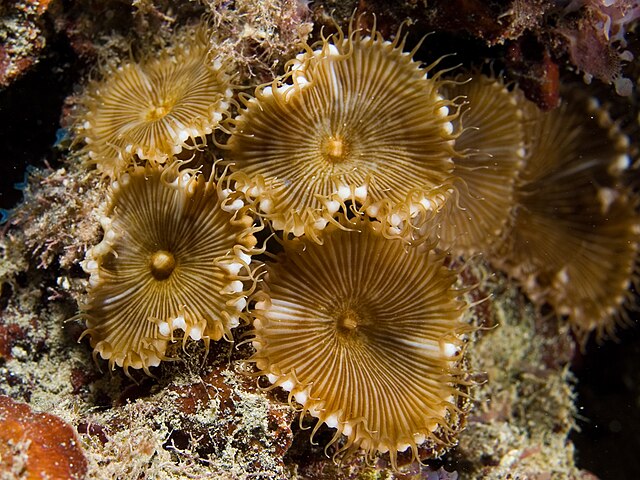
 © RevolverOcelot / CC BY-SA 3.0
Palythoa
Palythoa, often called button polyps, is a close relative of zoanthids known for its large, plump, button-shaped polyps that grow densely together. With a wide range of vibrant colors, colonies spread into eye-catching mats as they mature. It tolerates a broad range of lighting conditions and is hardy overall, making it a forgiving choice for those new to coral keeping. Since it gets most of its nutrition through photosynthesis, daily feeding is largely unnecessary, keeping routine care simple. With a lifespan of several years or more, it rewards keepers with long-term colony growth and evolving color displays.
View Palythoa encyclopedia →0% commission on your first sales!Register by September 30, 2026 and your first 2 sales are commission-free!
Breeder Wanted!
List on BreederDirect and sell directly to customers nationwide!
Br-Choku's 6 Transparency Standards
Our Breeder sellers disclose detailed care specs for all Coral listings. We prioritize Aquacultured/CB specimens, verify WYSIWYG photos, and provide difficulty ratings—avoiding wild-caught.
- Aquacultured
- WYSIWYG Photo
- Difficulty Disclosed
- Frag/Colony
- Care Info Included
- Trade name shown
Browse all 66 breeds
Difficulty
Verified breeders wanted for Coral
Breeders are signing up now ahead of launch. Subscribe to be notified when new listings go live.
Getting alerts is free with a member account. When new listings match your saved search, we'll notify you by email and in-app.
Browse other categories
Verified breeders (preview)
About Palythoa
Palythoa (button polyps) is a hardy zoanthid relative that forms spreading mat-like colonies, adapting well to a wide range of lighting and suiting beginner reef keepers.
7 things to know before welcoming a Palythoa
1Adapts to a Range of Light
Palythoa adapts to a wide range of lighting setups, giving you flexibility with your equipment. That said, coloration can shift depending on placement, so it helps to watch how the colony responds and adjust its position accordingly.
2Hardy and Beginner-Friendly
Its relative tolerance for environmental fluctuation makes it a popular entry point into coral keeping. Still, hardiness isn't an excuse to skip basic water quality maintenance — keeping conditions stable remains important.
3Relies Mainly on Photosynthesis
Since it derives most of its nutrition from photosynthesis via symbiotic algae, frequent feeding generally isn't necessary. This makes it well suited to keepers who want a low-maintenance coral.
4Spreads Into Mat-Like Colonies
As colonies mature, they spread out into a mat-like formation, so it's important to leave enough open space in your layout for growth. Keep some distance from neighboring corals as well.
5Handle With Care
As with related zoanthid species, it's advisable to avoid direct skin contact and wear gloves when handling — for example during fragging or rearranging your layout.
6Water Flow and Placement
Avoid excessively strong water flow — a gentler environment where polyps can open naturally tends to support steadier coloration and spread. Watch the colony closely especially right after placement.
7Prepare Your Tank Before Arrival
Confirming that your water parameters and lighting are already stable before introducing a new colony helps it settle in smoothly. It's also worth planning the layout balance with any existing corals in advance.
Frequently asked questions about Palythoa
- Q.Can beginners keep Palythoa?
- A.Yes, it's hardy and adapts to a wide range of lighting, making it a popular choice for those new to coral keeping. That said, ongoing basic water quality maintenance is still expected.
- Q.Does it need to be fed?
- A.Since it gets most of its nutrition from photosynthesis, frequent feeding generally isn't necessary, which keeps day-to-day care relatively simple.
- Q.How large does it grow?
- A.Mature colonies grow into a spreading, mat-like form. It's a good idea to leave enough surrounding space when placing it to allow for future growth.
- Q.What is its lifespan?
- A.It's known to live for several years or more, allowing keepers to enjoy long-term colony growth and changing coloration over time.
- Q.Are there any handling precautions?
- A.As a close relative of zoanthids, it's advisable to wear gloves and avoid direct skin contact when handling it, such as during fragging. Take care when relocating it within the tank as well.
Useful tools for Palythoa care
Learn more about Palythoa in the encyclopedia
View Palythoa encyclopedia entry →
Care difficulty, lifespan, size and diet — all basics covered.
Palythoa related articles
See more Palythoa articles →More in this category
Can't find the one you're looking for?
Post your wishes for free and breeders with matching animals will contact you with introductions.