 © Dr. Dwayne Meadows, NOAA/NMFS/OPR / Public domain
Mushroom Coral
Mushroom-shaped soft coral in various colors. Hardy and prefers low light and gentle flow. Easy to propagate.
View Mushroom Coral encyclopedia →0% commission on your first sales!Register by September 30, 2026 and your first 2 sales are commission-free!
Breeder Wanted!
List on BreederDirect and sell directly to customers nationwide!
Br-Choku's 6 Transparency Standards
Our Breeder sellers disclose detailed care specs for all Coral listings. We prioritize Aquacultured/CB specimens, verify WYSIWYG photos, and provide difficulty ratings—avoiding wild-caught.
- Aquacultured
- WYSIWYG Photo
- Difficulty Disclosed
- Frag/Colony
- Care Info Included
- Trade name shown
Browse all 66 breeds
Difficulty
Verified breeders wanted for Coral
Breeders are signing up now ahead of launch. Subscribe to be notified when new listings go live.
Getting alerts is free with a member account. When new listings match your saved search, we'll notify you by email and in-app.
Browse other categories
Verified breeders (preview)
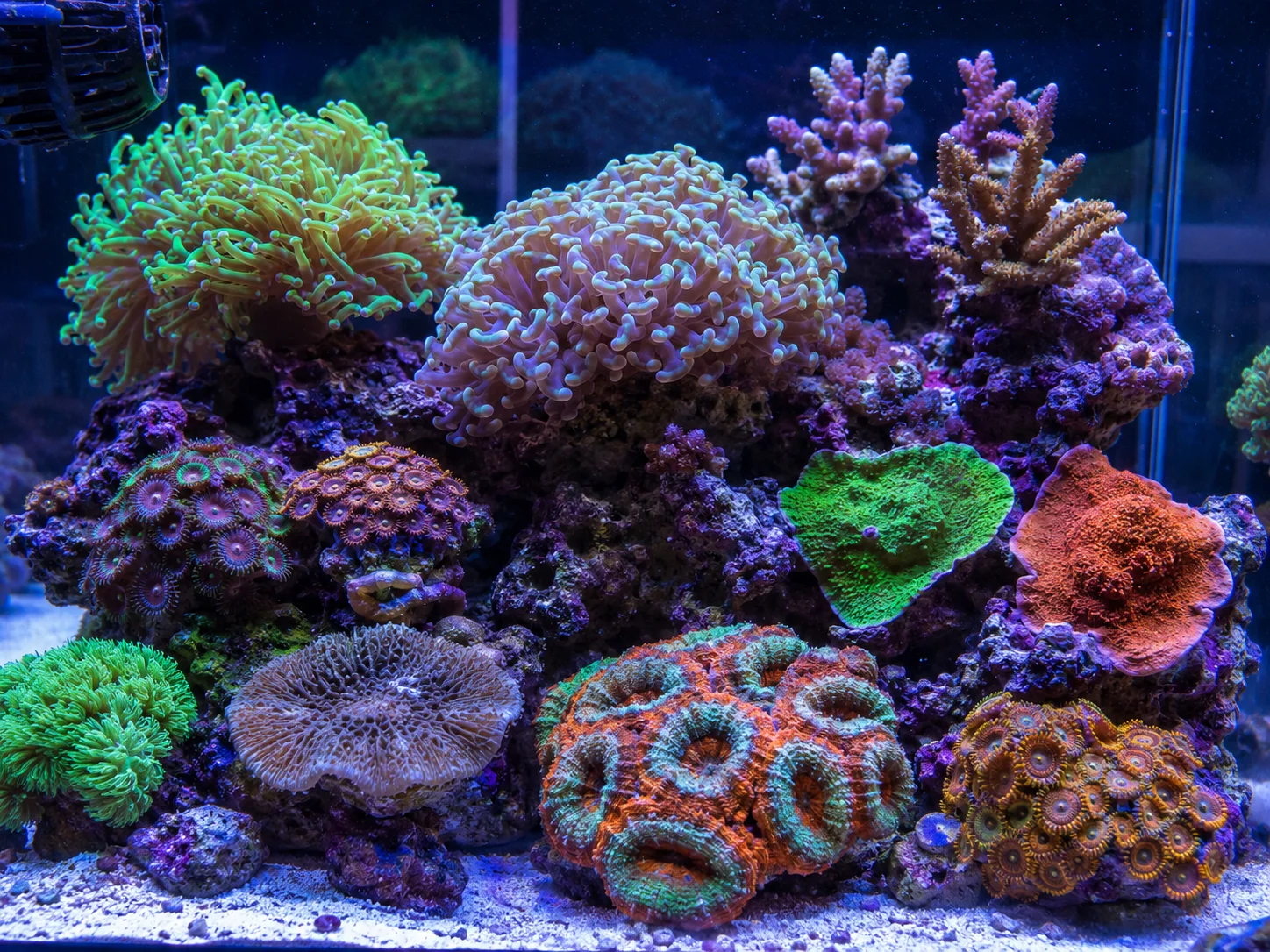
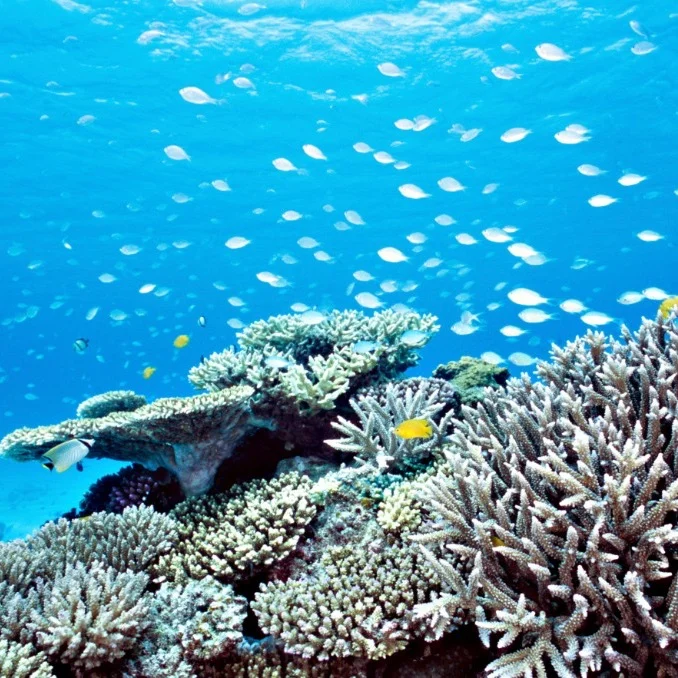
Mushroom Coral key facts
- Care level
- Beginner-friendly
- Lifespan
- 10+ years with proper care
- Size
- Individual 3-10cm
- Temperature
- 24〜27℃
- Diet
- Photosynthesis + trace liquid food
- Lighting
- Grows well under low to moderate lighting (50-200 PAR). Strong light is unnecessary; a slightly shaded spot in the lower tank suits it.
- Flow & Placement
- Prefers gentle flow. Direct strong current makes it shrink and open poorly, so place it in a calm spot away from pump outlets.
- Water Temperature & Quality
- Keep the water at 24-27C. It is sensitive to sudden water changes, so do water changes and dosing in small steps to keep parameters stable.
- Diet & Feeding
- It relies mainly on photosynthesis, but regular feeding of frozen brine shrimp, daphnia or a small amount of liquid food promotes growth.
- Notes
- Shrinks under strong light — avoid overexposure
About Mushroom Coral
Disc Coral belongs to the genus Discosoma and is widely distributed across tropical and subtropical reef environments throughout the Indo-Pacific. Its defining feature is a flat, disc- or mushroom-cap-shaped body that can grow from a few centimeters to over 15 cm in diameter. The color palette is exceptionally diverse—red, green, blue, purple, and brown morphs all exist, and many display vivid fluorescence that enlivens any reef tank. Being soft-bodied and skeleton-free, Disc Coral is somewhat sensitive to strong direct flow or physical contact, yet it tolerates a broad range of lighting intensities and shows reasonable resilience to moderate parameter fluctuations. It relies primarily on symbiotic zooxanthellae for nutrition, reducing the need for frequent supplemental feeding. Propagation through natural splitting or deliberate cutting is straightforward, opening the door to collection building and trades within the hobby. Low care requirements combined with long potential lifespan make Disc Coral an ideal starting point for anyone entering the world of reef-keeping.
7 things to know before welcoming a Mushroom Coral
1Prefer Low Light
Disc corals dislike intense light and may bleach or contract when overexposed. Position them at the edges or shaded areas of the tank when using LED lighting. Aiming for a PAR value of roughly 50–150 helps keep them in good condition.
2Gentle Flow Only
Strong direct flow causes the polyps to contract. Place disc corals where they receive only indirect, gentle circulation. Angling powerheads toward the glass or substrate to diffuse the flow works well.
3Easy to Propagate
Disc corals multiply on their own through fission, and can also be manually fragged by cutting with a clean blade and securing pieces to live rock. Allow frags to recover in a dimly lit spot for a few days to encourage attachment. Surplus frags are often shared within the hobby.
4Feed with Liquid Food
Disc corals meet most of their nutritional needs through photosynthesis via zooxanthellae, but adding liquid food such as phytoplankton or amino acid supplements once or twice a week improves their condition. Pause pumps briefly during feeding and apply the food close to the polyps.
5Avoid Sudden Water Changes
Sudden shifts in salinity (target 1.023–1.025), temperature (24–26°C), or pH can cause polyps to shrink or bleach. Keep water changes to around 10–15% of total volume weekly, and always match the temperature and salinity of new water before adding it.
6Watch Neighbor Corals
Disc corals can release allelopathic chemicals that harm neighboring corals on contact. Maintain at least 5 cm of clearance from other soft corals or LPS. Always check for contact when rearranging the aquascape.
7Cost Overview
Prices vary by color and pattern; common green morphs typically cost around ¥500–¥2,000, while rare colorways can exceed ¥5,000. Initial equipment costs (lighting, filtration, refractometer, etc.) generally range from ¥20,000–¥50,000, with monthly running costs of a few thousand yen for electricity and consumables.
Frequently asked questions about Mushroom Coral
- Q.Is Disc Coral suitable for beginners?
- A.Yes, Disc Coral is considered one of the easiest corals to keep. It does not require intense lighting or complex dosing regimens. The main prerequisite is a stable, cycled saltwater aquarium—get that right and long-term success is very achievable.
- Q.Why is my Disc Coral not opening?
- A.Common causes include excessive flow, too much light, sudden water parameter shifts, or contact with a neighboring coral. First check flow direction and light intensity, then test salinity, pH, and ammonia. Once conditions stabilize, the polyp typically reopens within a few days to a week.
- Q.How often should I feed Disc Coral?
- A.Once or twice a week with a small amount of fine particulate liquid food is sufficient. Many specimens thrive without any supplemental feeding, relying on photosynthesis alone. Overfeeding is a greater risk than underfeeding, as excess nutrients degrade water quality.
- Q.How do I propagate Disc Coral?
- A.Simply cut the disc with clean scissors or a razor blade and place the fragment on live rock or a frag plug. Keep it in low flow and subdued light for one to two weeks while it attaches. The success rate is high, and attached frags grow quickly under normal conditions.
- Q.How long does Disc Coral live?
- A.Disc Coral is known to live over 10 years in well-maintained aquariums. Because it propagates through clonal splitting, a colony can be sustained indefinitely in practice. The primary factors shortening its lifespan are poor water quality and chronic stress from inappropriate flow or lighting.
Useful tools for Mushroom Coral care
Learn more about Mushroom Coral in the encyclopedia
View Mushroom Coral encyclopedia entry →
Care difficulty, lifespan, size and diet — all basics covered.
Mushroom Coral related articles
Mushroom Corals and LPS Introduction | Stepping Up from Soft Corals
An explanation of the characteristics, care difficulty, and management methods of mushroom corals and LPS as the optimal next step after soft corals. Selection criteria for species to choose as an intermediate step before beginners progress to SPS, along with equipment requirements.
Coral Species Comparison Guide | Difficulty & Husbandry Tips for Star Polyps, Disk Corals, and Zoanthus
A comprehensive comparison of three popular corals for beginners to intermediate hobbyists—Star Polyps, Disk Corals (Mushroom Corals), and Zoanthus (Zoas)—covering difficulty level, light requirements, water flow, and ease of propagation.
5 Beginner-Friendly Corals|Expert Selection of Easy-to-Keep Species
A curated selection of 5 corals recommended for first-time hobbyists. Learn the characteristics of beginner-friendly corals including Zoanthus, Star Polyps, and Mushroom Corals.
More in this category
Can't find the one you're looking for?
Post your wishes for free and breeders with matching animals will contact you with introductions.