Blastomussa
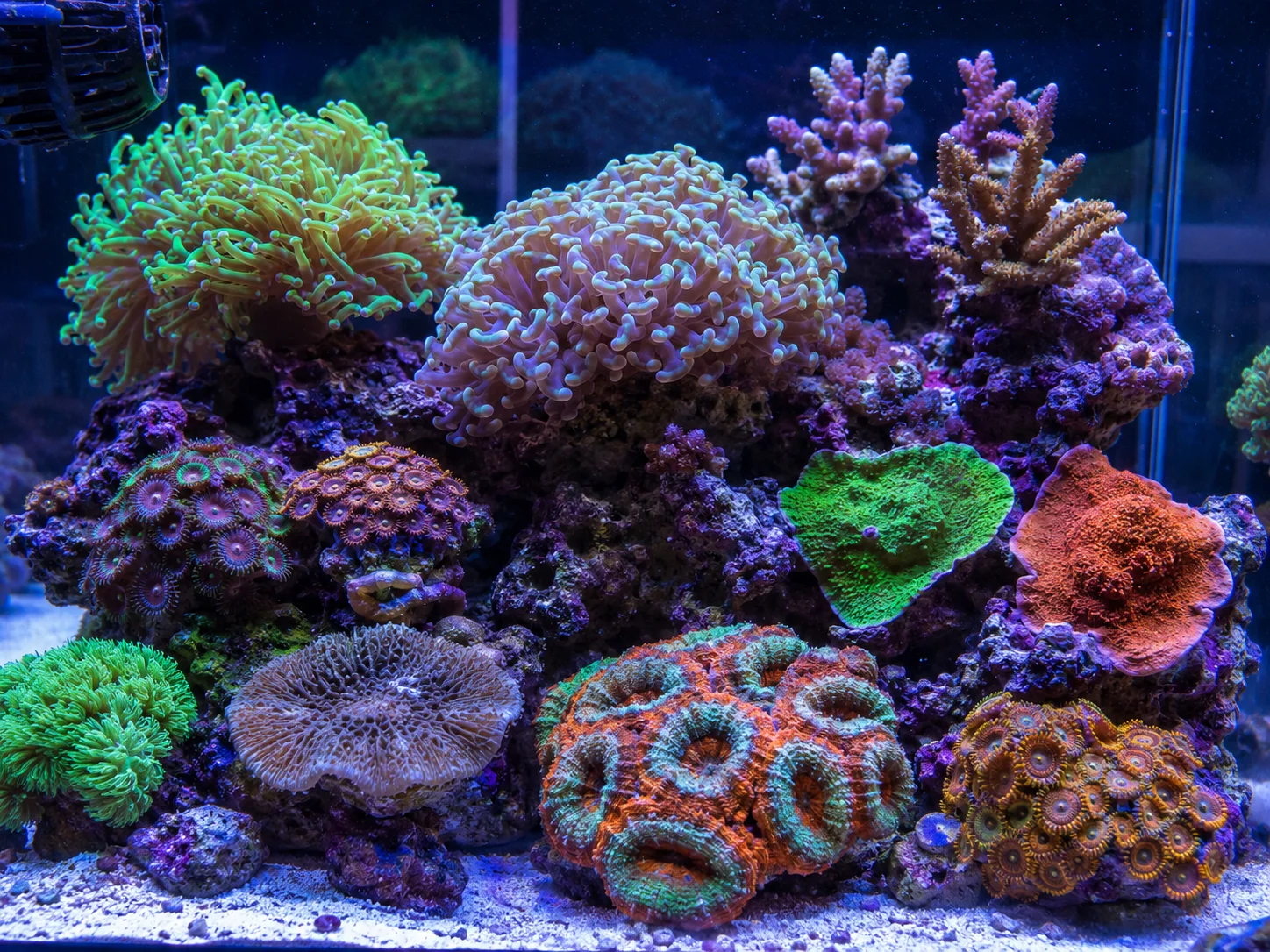
Blastomussa is an LPS (Large Polyp Stony) coral known for its clusters of plump, fleshy polyps that seem to huddle together in a colorful mass. Its vivid reds and greens make it a real standout in any reef tank. Because it draws much of its energy from photosynthesis and also responds well to liquid foods, it's considered one of the more approachable corals for beginners. It doesn't move around much, giving off a calm, understated presence, but at night its polyps extend fully, revealing a completely different look than during the day. Many keepers enjoy it as a coral they can watch grow and change over the years.
View Blastomussa encyclopedia →0% commission on your first sales!Register by September 30, 2026 and your first 2 sales are commission-free!
Breeder Wanted!
List on BreederDirect and sell directly to customers nationwide!
Br-Choku's 6 Transparency Standards
Our Breeder sellers disclose detailed care specs for all Coral listings. We prioritize Aquacultured/CB specimens, verify WYSIWYG photos, and provide difficulty ratings—avoiding wild-caught.
- Aquacultured
- WYSIWYG Photo
- Difficulty Disclosed
- Frag/Colony
- Care Info Included
- Trade name shown
Browse all 66 breeds
Difficulty
Verified breeders wanted for Coral
Breeders are signing up now ahead of launch. Subscribe to be notified when new listings go live.
Getting alerts is free with a member account. When new listings match your saved search, we'll notify you by email and in-app.
Browse other categories
Verified breeders (preview)
About Blastomussa
Blastomussa is an LPS coral with clusters of large, vividly colored polyps in red and green tones. It thrives on photosynthesis and liquid foods, making it a popular, beginner-friendly choice.
7 things to know before welcoming a Blastomussa
1Keep Lighting Moderate
Blastomussa prefers moderate to low light and gentle water flow rather than intense conditions. Placing it in the mid-to-lower part of the tank is usually best, since sudden exposure to strong lighting can stress or bleach the polyps. Extra care is especially important right after introducing a new frag.
2Give It Space From Neighbors
At night the polyps extend quite far, and if they touch a neighboring coral it can lead to stinging conflicts. When planning your layout, leave generous space around it to account for how much it will spread as it grows.
3Stable Water Parameters Matter Most
Like most LPS corals, Blastomussa is sensitive to sudden swings in temperature, calcium, or alkalinity. Avoid abrupt changes, and keep up with regular water testing and a consistent water-change schedule.
4Feeding Boosts Color and Growth
While it gets much of its energy from photosynthesis, offering liquid foods can help support its coloration and growth. Adjust feeding frequency to your tank's conditions, and avoid overfeeding.
5Watch for Signs of Illness
Under stress, the polyps may retract or the tissue can start to recede, both early warning signs. If you notice anything unusual, review water quality and placement promptly, and consider isolating the coral if needed.
6Acclimate Carefully When Introducing
When bringing home a new specimen, take time with drip acclimation to avoid shocking it with sudden temperature or chemistry changes. After placement, keep an eye on how well the polyps extend to confirm it's settling in.
7Growth Is Slow and Steady
Blastomussa grows slowly, gradually expanding its cluster of polyps over time. That makes it rewarding to watch develop over the years, but also means you should plan your layout with its eventual spread in mind.
Frequently asked questions about Blastomussa
- Q.Is Blastomussa suitable for beginners?
- A.Yes, it's widely regarded as a hardy, beginner-friendly LPS coral. It grows mainly through photosynthesis and also accepts liquid foods, making it an approachable species to start with.
- Q.How much light and flow does it need?
- A.It prefers moderate to somewhat low light and gentle water flow rather than intense conditions. Placing it in the mid-to-lower part of the tank tends to help it settle in well.
- Q.Is feeding absolutely necessary?
- A.Feeding isn't strictly required, but supplementing photosynthesis with liquid foods can help support coloration and growth. It's worth incorporating in moderation.
- Q.Can it be placed close to other corals?
- A.At night the polyps extend quite far, and contact with neighboring corals can cause stinging conflicts. It's best to leave plenty of space around it when placing it in the tank.
- Q.How large does it grow and how long does it live?
- A.Adult colonies typically reach around 5 to 20 cm, with a lifespan of 10 years or more. Since it grows slowly, it's a coral you can enjoy watching change over the long term.
Useful tools for Blastomussa care
Learn more about Blastomussa in the encyclopedia
View Blastomussa encyclopedia entry →
Care difficulty, lifespan, size and diet — all basics covered.
Blastomussa related articles
See more Blastomussa articles →More in this category
Can't find the one you're looking for?
Post your wishes for free and breeders with matching animals will contact you with introductions.