Live Rock
Live rock is porous reef rock colonized by countless beneficial bacteria, microorganisms, and small invertebrates, serving as the biological backbone of any marine aquarium. It provides natural filtration, shelter, and a structurally rich aquascape that mimics the ocean floor. Selecting high-quality live rock significantly accelerates the cycling process and supports a stable, thriving reef environment.
0% commission on your first sales!Register by September 30, 2026 and your first 2 sales are commission-free!
Breeder Wanted!
List on BreederDirect and sell directly to customers nationwide!
Br-Choku's 6 Transparency Standards
Our Breeder sellers disclose detailed care specs for all Coral listings. We prioritize Aquacultured/CB specimens, verify WYSIWYG photos, and provide difficulty ratings—avoiding wild-caught.
- Aquacultured
- WYSIWYG Photo
- Difficulty Disclosed
- Frag/Colony
- Care Info Included
- Trade name shown
Browse all 66 breeds
Difficulty
Verified breeders wanted for Coral
Breeders are signing up now ahead of launch. Subscribe to be notified when new listings go live.
Getting alerts is free with a member account. When new listings match your saved search, we'll notify you by email and in-app.
Browse other categories
Verified breeders (preview)
About Live Rock
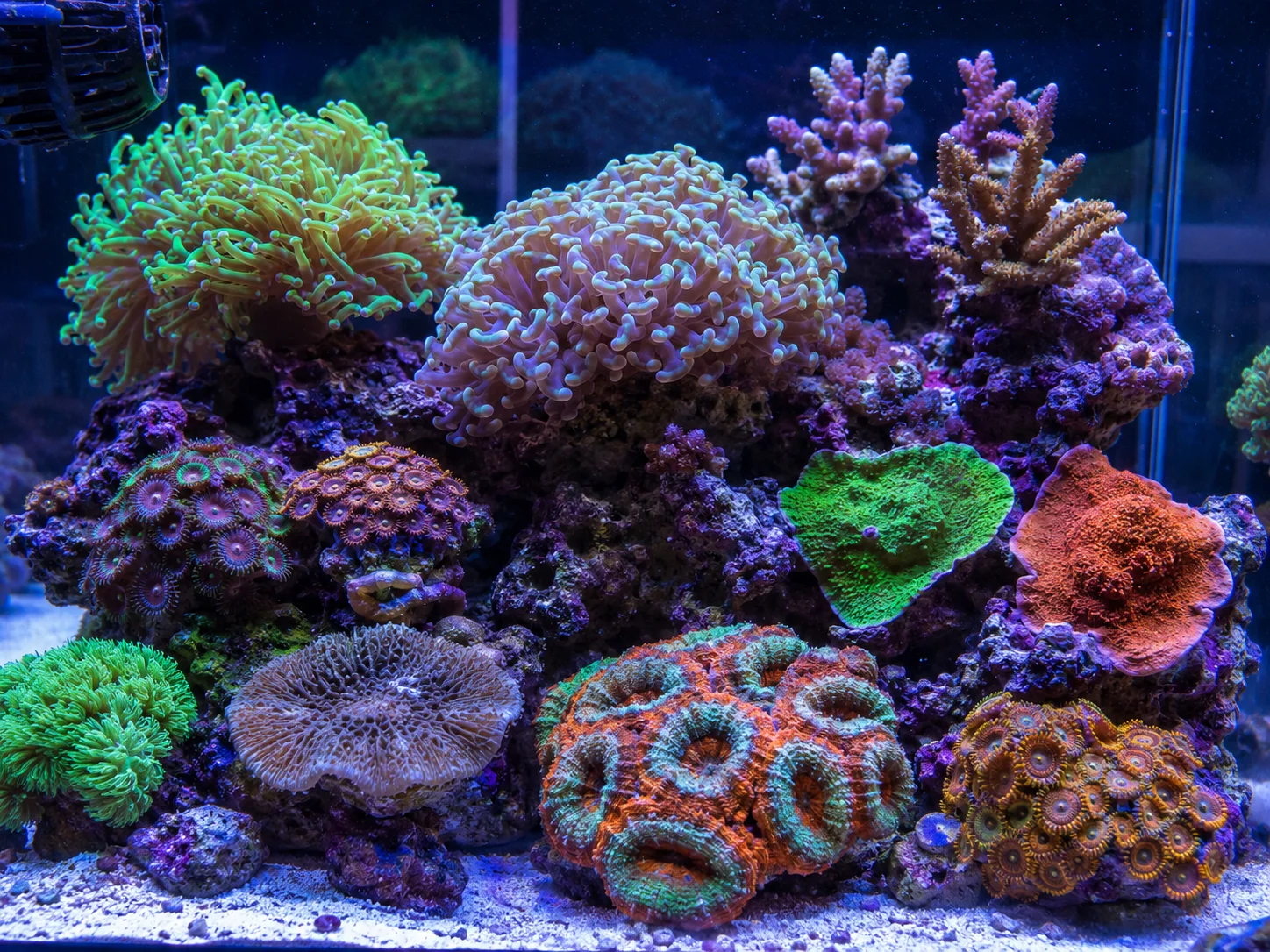
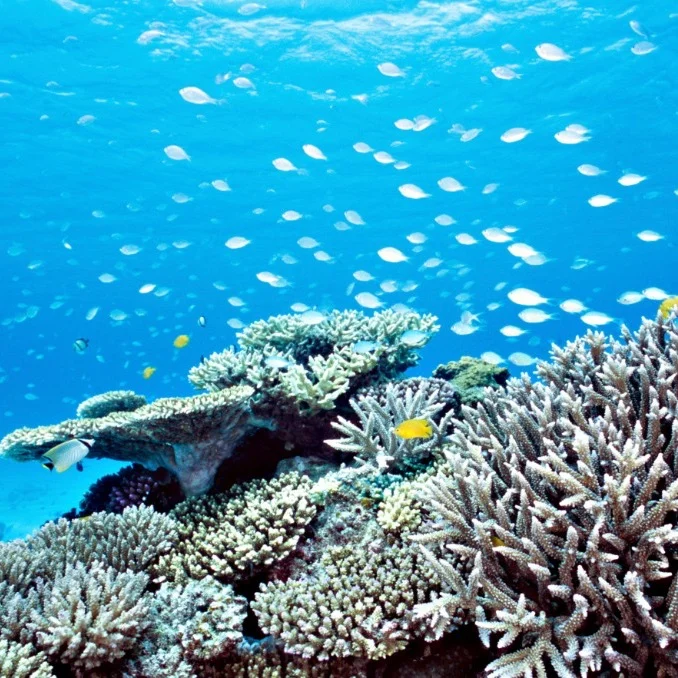
Live rock consists of porous pieces of coral reef that have formed over millennia in tropical and subtropical seas. It gained widespread recognition in the aquarium hobby during the 1970s and 80s when American marine enthusiasts began introducing it to display tanks as "living rock." True to its name, every surface and inner cavity teems with life — nitrifying bacteria, sponges, algae, and tiny crustaceans among many others. Visually it ranges from pale gray to vibrant purple and pink where coralline algae thrives, and comes in flat, branching, and dome-shaped forms. Inside the aquarium it anchors the nitrogen cycle — converting ammonia through nitrite to nitrate — while simultaneously serving as a structural foundation for corals and refuge for fish. Live rock is arguably the single most impactful element in determining whether a marine tank thrives or struggles.
7 things to know before welcoming a Live Rock
1Core of Biological Filtration
Bacteria living inside live rock break down ammonia and nitrite, sustaining the aquarium's nitrogen cycle naturally. This biological filtration is more stable and reef-compatible than relying solely on mechanical media.
2Curing Is Essential
Organisms that die during shipping will decompose and foul the water. Always cure live rock before adding it to your display tank by soaking it in saltwater for several days to two weeks, removing dead matter, and performing frequent water changes with vigorous aeration.
3Quantity and Placement
A common guideline is 0.5–1 kg of live rock per liter of tank volume, though this varies with porosity and quality. Stack rock with gaps to allow water flow through the structure, and consider elevating rock off the sandbed to prevent anaerobic dead zones underneath.
4Watch for Hitchhikers
Live rock often carries hitchhikers such as crabs, urchins, mantis shrimp, and Aiptasia anemones that can harm corals or fish. Carefully inspect the surface before introduction and remove or consult a specialist about any problematic species. Beneficial hitchhikers like small hermit crabs or shrimp can also arrive and add to the tank's diversity.
5Ensure Flow and Oxygenation
Aerobic bacteria inside live rock require dissolved oxygen, so designing flow that reaches all areas of the rockwork is critical. Stagnant zones promote anaerobic decomposition and hydrogen sulfide buildup. Using multiple circulation pumps aimed from different directions helps prevent dead spots.
6Understanding the Cost
Natural live rock prices vary widely by origin, quality, and weight, ranging from a few hundred to several thousand yen per kilogram. Combining artificial ceramic rock with a smaller amount of natural live rock is an increasingly popular way to reduce costs while still seeding beneficial organisms throughout the tank.
7Long-Term Maintenance
Regularly brush off unwanted algae and detritus with a soft toothbrush and maintain consistent water flow around the rock. Over many years, pores can become clogged and reduce filtration efficiency, so consider replacing a portion of the rock every few years to refresh the biological filtering capacity.
Frequently asked questions about Live Rock
- Q.Can a saltwater tank be maintained without live rock?
- A.It is possible to use external filters or bio-media in a sump as substitutes, but fully replicating the biodiversity and natural filtration capacity of live rock is difficult. Some bare-bottom and specialized reef setups intentionally omit live rock, but for beginners, using live rock is generally recommended for easier water stability.
- Q.How long does the curing process take?
- A.Generally 1–2 weeks is the standard timeframe, though heavily damaged rock may require longer. Confirm with water tests that ammonia is undetectable and that the unpleasant odor has dissipated before transferring to the display tank. Rushing the process risks a damaging ammonia spike.
- Q.How can I encourage coralline algae growth on live rock?
- A.Maintaining proper calcium (400–450 ppm), alkalinity (8–10 dKH), and magnesium (1,250–1,350 ppm) levels is key to coralline algae growth. Supplement these through water changes and additives, and provide appropriate lighting with a blue-to-white spectrum blend; growth will spread gradually over several months. Be aware that urchins and some hermit crabs may graze on coralline algae.
- Q.What should I do if a harmful hitchhiker like a mantis shrimp is found?
- A.If a mantis shrimp is suspected, try observing at night with a red light or setting a bottle trap baited with food. Briefly removing the rock for a freshwater dip is another option, though it risks harming beneficial organisms as well. If the situation is difficult to resolve, consult your local aquarium shop for advice.
- Q.Which is better for beginners — dry rock or live rock?
- A.Dry rock carries no risk of pest organisms and costs less, but biological colonization takes longer, extending the cycling period. Live rock requires curing but accelerates the nitrogen cycle since filtration bacteria are already established. A hybrid approach — primarily dry rock supplemented with a small amount of live rock — offers a practical balance of cost and reduced risk.
Useful tools for Live Rock care
Live Rock related articles
Reef Tank Live Rock Stacking & Layout Design Guide
Live rock layout is a critical element that determines both the aesthetics and water quality of a reef tank. This guide explains practical design principles for intermediate aquarists, from stacking fundamentals to water flow design and coral placement strategy.
How to Create a Red Sea Biotope Aquarium | Combining Fish, Corals, and Live Rock
Basic knowledge for creating a biotope aquarium that reproduces the Red Sea ecosystem. This guide explains how to select Red Sea endemic corals, fish, and live rock, set water quality and temperature, and discusses the appeal and challenges of biotope aquariums.
More in this category
Can't find the one you're looking for?
Post your wishes for free and breeders with matching animals will contact you with introductions.