How to Create a Red Sea Biotope Aquarium | Combining Fish, Corals, and Live Rock
Basic knowledge for creating a biotope aquarium that reproduces the Red Sea ecosystem. This guide explains how to select Red Sea endemic corals, fish, and live rock, set water quality and temperature, and discusses the appeal and challenges of biotope aquariums.
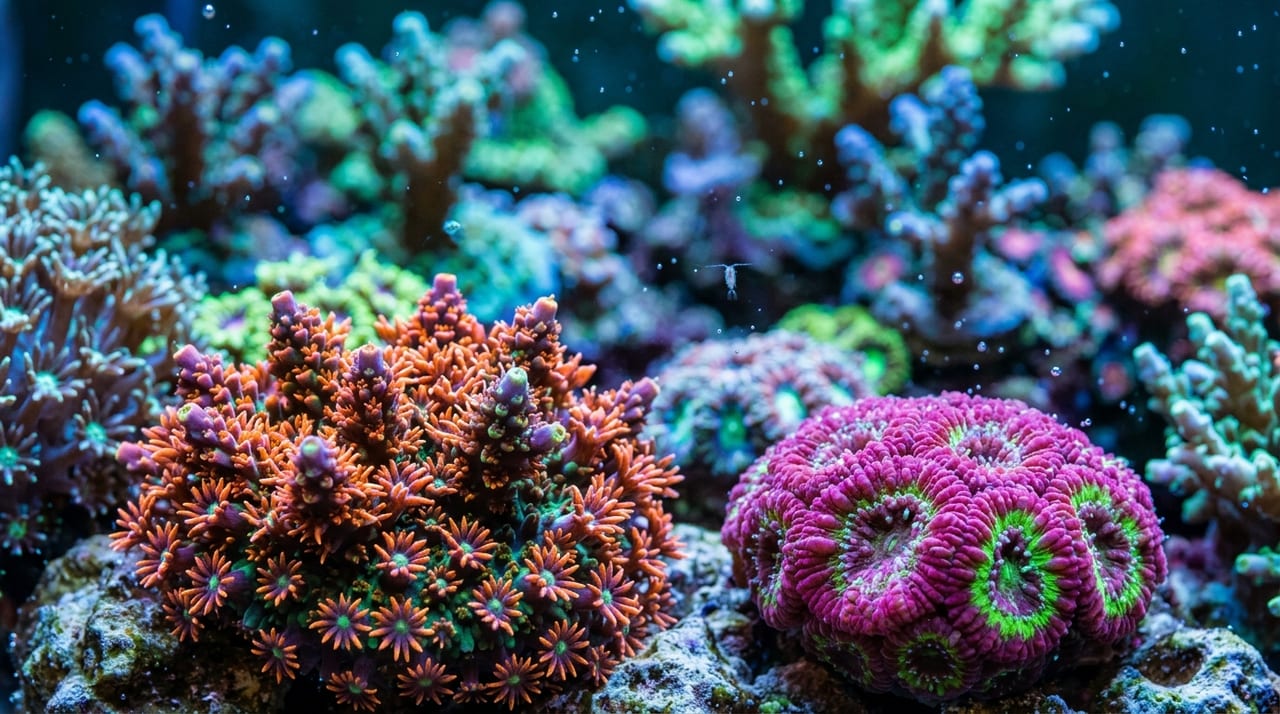
Key Takeaways
Basic knowledge for creating a biotope aquarium that reproduces the Red Sea ecosystem. This guide explains how to select Red Sea endemic corals, fish, and live rock, set water quality and temperature, and discusses the appeal and challenges of biotope aquariums.
Related Species
A biotope aquarium is a style that combines organisms from a specific region and ecosystem to recreate that environment within a tank. In typical reef tanks, species from around the world are often mixed together, but biotopes emphasize geographic and ecological consistency.
Among these, the Red Sea is one of the particularly popular biotope themes. The Red Sea is a unique marine region with exceptionally high salinity compared to other seas globally (specific gravity 1.026–1.028), significant temperature fluctuations, and many endemic species.
Why Red Sea Biotopes Are Popular
Abundance of endemic species: Because the Red Sea is geographically isolated, many endemic species found nowhere else exist here. Fish and corals with distinctive patterns look exceptional in aquariums.
Water quality uniqueness: Recreating the high-salinity, high-alkalinity conditions of the Red Sea enables a unique keeping experience.
Abundant Red Sea-related brands such as Reef Octopus and Red Sea Aquatics: There is an accessible entry environment.
Representative Red Sea Endemic and Key Species
Fish
Relatives of Chromis viridis: Widely distributed from the Indian Ocean to the Red Sea. The blue-green green chromis is a staple of Red Sea biotopes.
Lyretail Anthias (Pseudanthias squamipinnis): One of the representative fish of the Red Sea. Males display a brilliant orange color and are extremely beautiful.
Relatives of Yellow Boxfish (Ostracion cubicus): Endemic boxfish species inhabit the Red Sea. However, care must be taken regarding toxins produced by boxfish.
Spanish Dancer (Hexabranchus sanguineus): A large nudibranch. Popular as a viewing specimen, but difficult to keep.
Corals
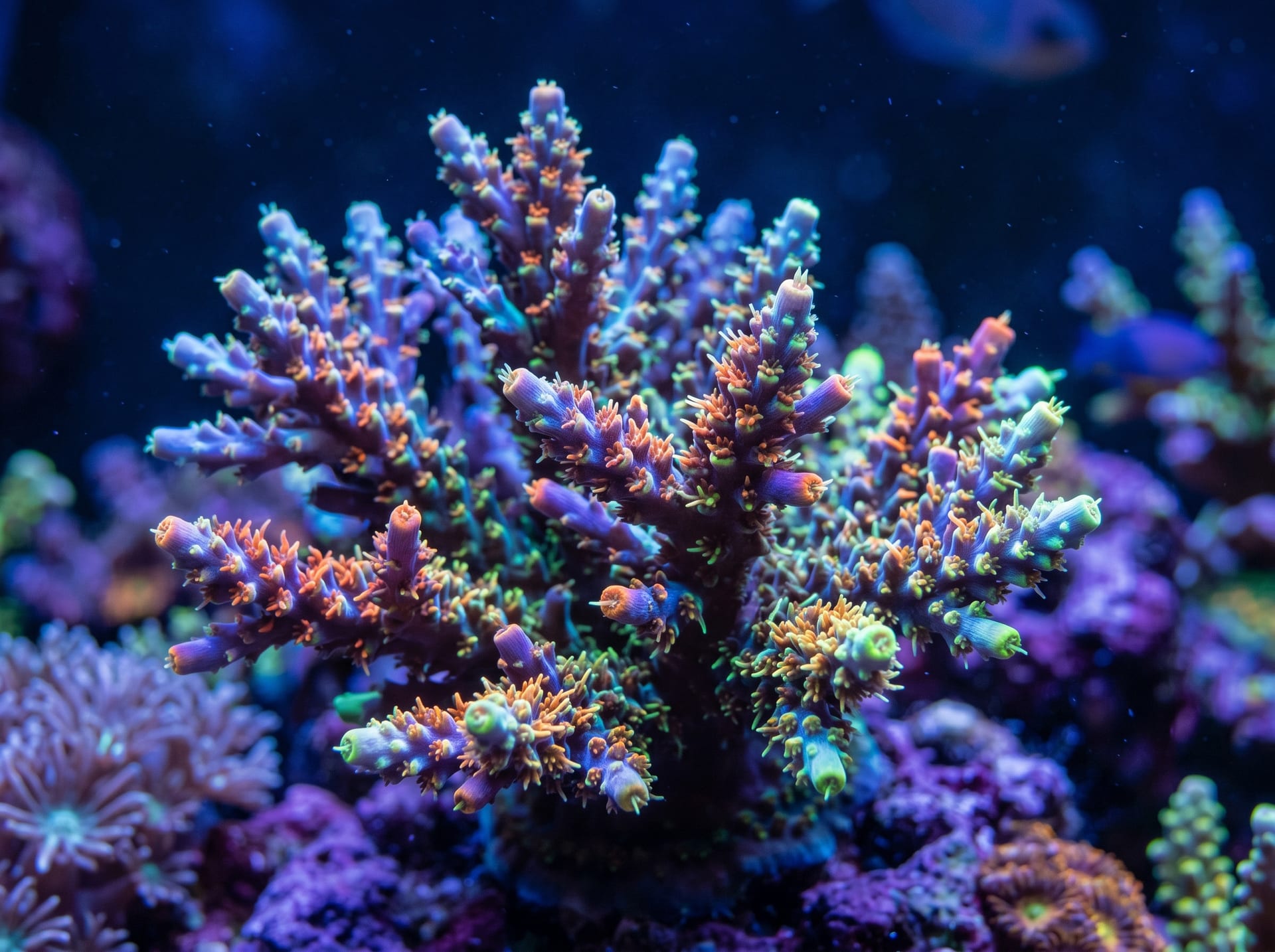
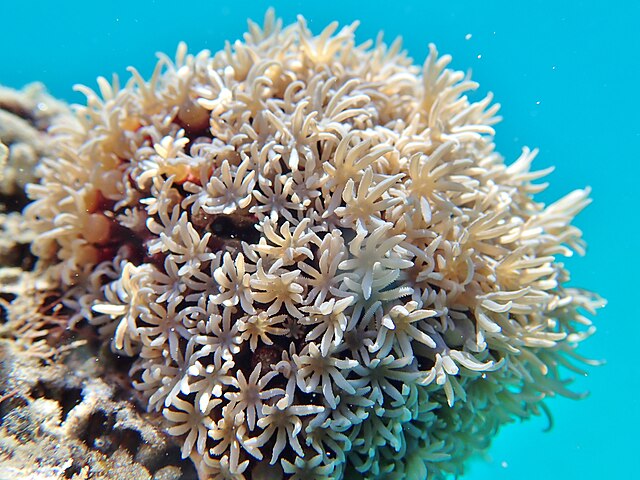
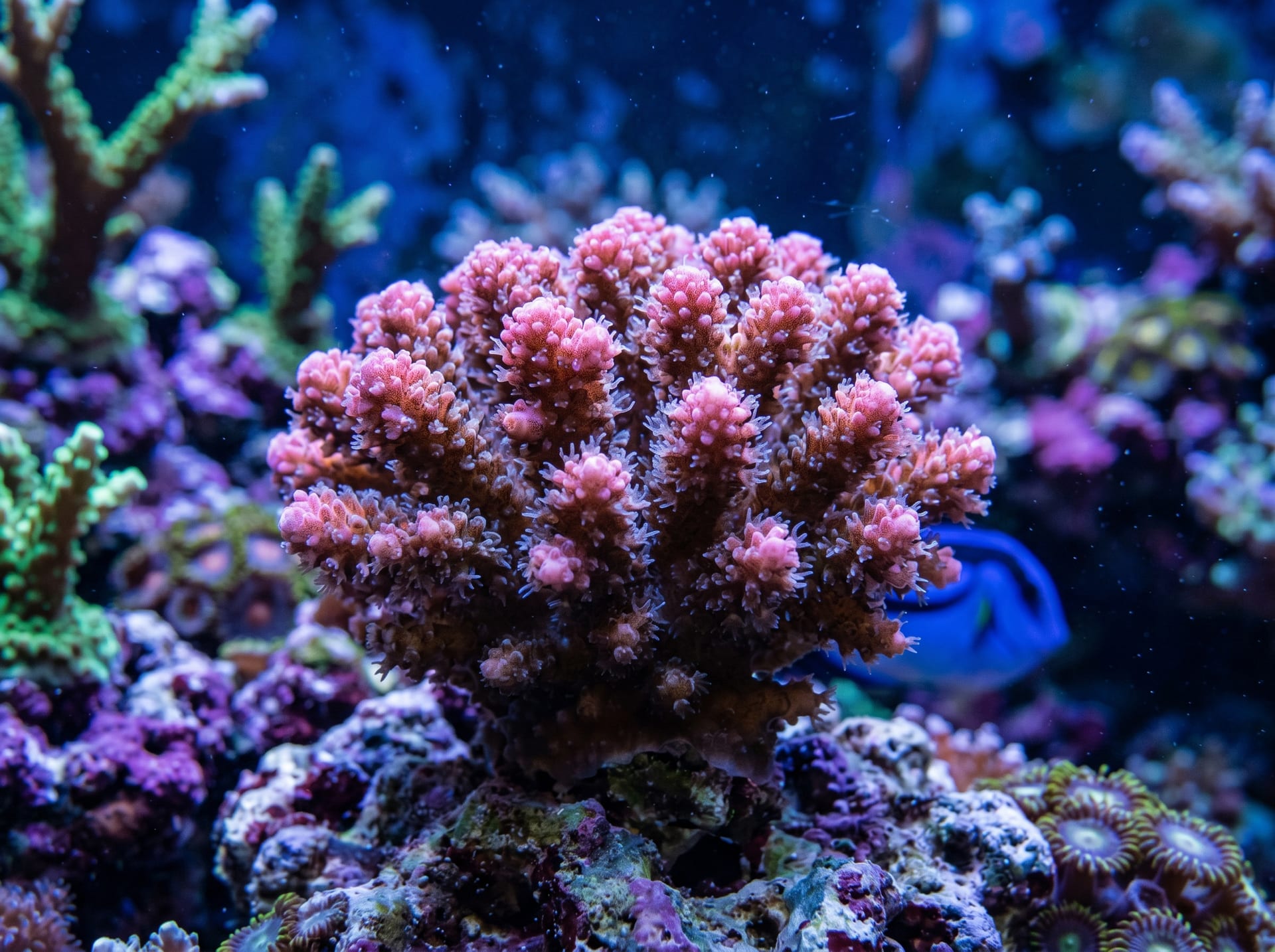
Acropora arabensis: An Acropora species endemic to the Red Sea.