Coral Aging Colony Management Guide | Signs of Mature Colonies, Fragging Timing, and Maintenance Methods
Explaining signs of aging in coral colonies. This guide covers how to identify aging through growth stagnation, color fading, and base bleaching, the timing for fragging to promote rejuvenation, and practical strategies for managing the balance between colony size and tank space.
Key Takeaways
Explaining signs of aging in coral colonies. This guide covers how to identify aging through growth stagnation, color fading, and base bleaching, the timing for fragging to promote rejuvenation, and practical strategies for managing the balance between colony size and tank space.
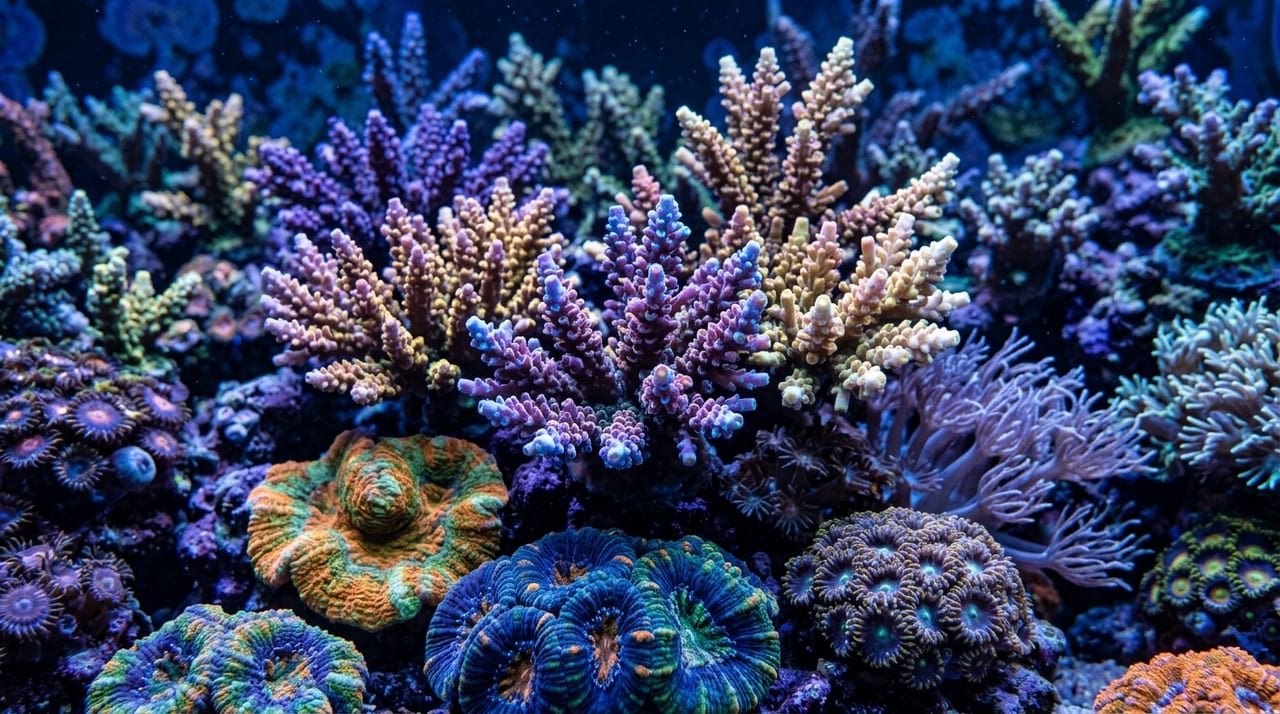
When culturing corals in an aquarium for several years, you may notice that a colony which initially grew vigorously gradually slows its growth, the colors become more muted, or the center begins to bleach. This phenomenon is called coral "aging" or "growth plateau," and is particularly common in long-term SPS and LPS husbandry. This article explains in detail how to identify signs of aging colonies, rejuvenation strategies through fragging, and management methods for maintaining mature colonies in good health.
✍️
BreederDirect Editorial
The BreederDirect editorial team specializes in care information for animals, covering veterinary care and breeding to deliver beginner-friendly guides.
Find Coral on BreederDirect
Buy directly from verified breeders
Browse Related Listings
Find Coral listings related to this article on BreederDirect. Buy directly from verified breeders.
In the wild, large coral colonies can live for decades to hundreds of years. However, in the closed environment of an aquarium, once a colony reaches a certain size, natural growth often becomes sluggish. This is not simply a matter of lifespan, but is primarily caused by the following factors.
Spatial Limitations: A situation where the colony's physical growth is restricted by the aquarium size and competition with adjacent corals. When parts of the base fall into shade or water flow fails to reach them, polyps begin to retract from the base toward the center.
Decreased Efficiency in Nutrient and Light Utilization: In large colonies, light reaches the center less effectively, and water flow tends to become weaker. Energy is preferentially supplied to the growth tip at the apex, while older tissue in the center tends to become nutrient-starved.
Accumulation of Metabolic Waste: Colonies that have remained in the same location for years tend to accumulate metabolic byproducts and detritus around their skeleton. This can lead to chronic low-level inflammation and tissue regression.
Aging is not so much a matter of the colony becoming weakened, but rather a transition from a growth phase to a maintenance phase. Having this perspective makes appropriate interventions become clearer.
Main Signs Seen in Aging Colonies
By recognizing several signs of aging and growth plateau, you can take action early. When multiple changes like the following are observed, it is likely that the colony has entered a maintenance phase.
Marked Growth Stagnation: A situation where the tip previously grew on a weekly basis, but shows no change for several months or more. If growth has stopped despite normal water parameters, suspect factors intrinsic to the colony itself.
Bleaching and Browning Starting from the Base: A phenomenon where polyps shrink from the colony's base toward the center, turning white or pale brown. It is a typical sign of aging when the base begins to recede even while the tip remains healthy.
Color Dullness and Loss of Vibrancy: Previously vibrant fluorescent colors or unique color patterns fade, and the entire colony may become a uniform brownish tone.
Delayed Frag Recovery: When the entire colony shifts to maintenance mode, a branch cut as a frag may take longer than usual to recover.
First, it is essential to confirm that these signs are not caused by deteriorating water quality or disease. Measure nitrate, phosphate, alkalinity, calcium, and magnesium; if these are normal, consider the colony itself as the cause and plan accordingly.
Promoting Rejuvenation Through Fragging
One of the most effective interventions for aging colonies is strategic fragging (frag collection). There is a mechanism by which cutting the growth tip (apex) reactivates growth signals in the parent colony.
Promoting Branching Through Apex Cutting: In branching SPS such as Acropora, cutting the apex causes multiple new branches to emerge around the cut site, and the growth pattern rejuvenates. This follows the same principle as wild colonies recovering after their tips are broken off by typhoons.
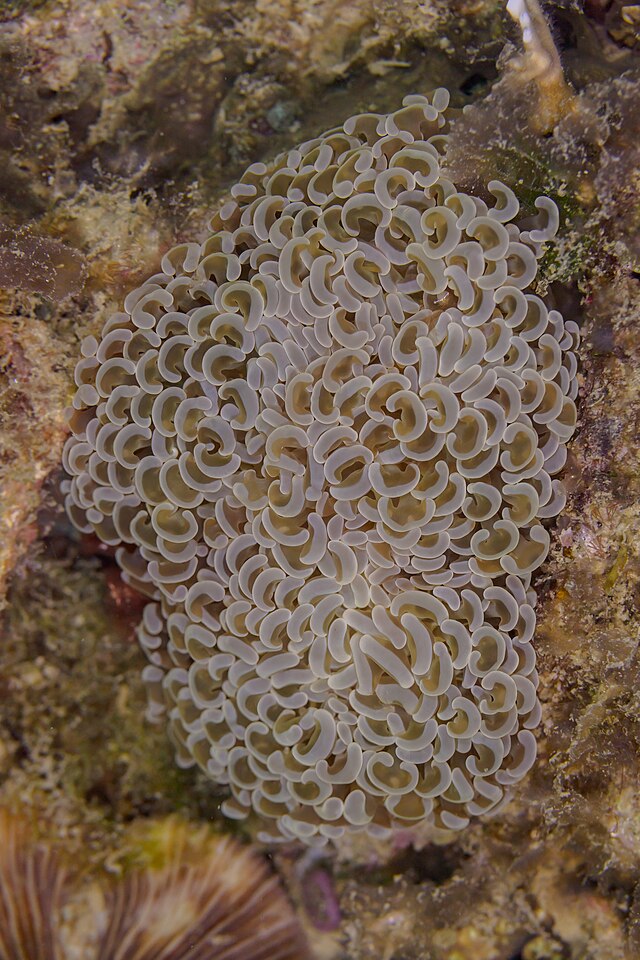
Thinning Polyps in LPS: In hammer corals and trumpet corals, separating some of the densely packed polyps as frags allows the remaining polyps to gain space and begin growing more expansively.
Care must be taken with the timing and procedure for fragging.
Choose a time when water parameters are stable and the colony is not under stress.
Prepare clean cutters or dedicated coral scissors and make the cut quickly.
Immediately after cutting, attach the frag to a frag plug and move it to a frag tank or dedicated area.
Coat the cut surface of the parent colony with propolis or commercial frag sealant as needed to reduce infection risk.
In the frag tank, use subdued lighting and flow to promote recovery, gradually acclimating to the original environment over 1–2 weeks.
Collected frags can be passed on to other reef keepers by listing them on BreederDirect. Consider using this as a mechanism for passing the genetics of aging colonies to the next generation.
Re-optimizing Light and Water Flow
As colonies grow larger, the light distribution and water flow patterns change significantly from when they were first placed. Periodically reviewing the environment is essential for maintaining the health of mature colonies.
Re-measuring PAR: Re-measure the PAR (photosynthetically active radiation) reaching the colony 1–2 years after placement. As the colony grows and its distance from lighting changes, PAR values also shift. Typical target PAR values are shown in the table below.
Type
Target PAR
SPS (Acropora, Pocillopora, etc.)
150–350
LPS (Hammer, Trumpet, etc.)
50–200
Soft Corals
30–100
Eliminating Flow Dead Zones: Check whether large colonies are blocking water flow and creating dead zones. Adjust the direction and height of wavemakers to ensure uniform flow across the entire colony. Flow to the base is particularly important as it directly impacts waste removal.
Reviewing Water Change Frequency: In mature tanks, phosphate and nitrate may accumulate in the substrate over years. Temporarily increasing water change frequency to refresh water quality can restore colony vitality.
Managing Colony Size and Tank Balance
Mature colonies cast shadows and block water flow to other tank inhabitants, affecting the entire ecosystem. Regular size management protects the health of the entire tank.
Planned Regular Trimming: In SPS-dominant tanks, it helps to have a guideline of considering fragging when colonies begin to exceed 20–30% of tank volume. Planned trimming allows the colony to maintain growth energy before entering an aging phase.
Maintaining Distance from Adjacent Corals: Mature colonies engage in chemical and physical territorial competition. Particularly, LPS sweeper tentacles can extend several centimeters to sting neighboring corals. Check roughly once a month to ensure distance doesn't decrease as they grow.
Relocating Colonies: Moving larger colonies to areas with better flow and light exposure can stimulate growth and reactivate it. However, relocation is a strong stressor, so perform it quickly during a period of stable parameters. Observe polyp extension carefully for 1–2 weeks after moving.
Long-term Care of Mature Colonies
While coral aging is an unavoidable challenge for keepers, it is entirely possible to promote rejuvenation or maintain good health long-term through early recognition and appropriate intervention.
The key to managing aging colonies is "early detection of changes" and "flexible intervention." Keeping an aquarium journal and recording growth, color, and polyp extension on a monthly basis allows you to detect changes early. Taking regular photos for comparison is also an effective approach.
By combining three approaches—fragging, relocation, and re-optimizing light and flow—you can discover how to maintain a long-term relationship with mature colonies. Additionally, listing frags collected from aging colonies on BreederDirect passes the torch to the next keeper, enriching the domestic reef keeper community. A care style that embraces coral "succession" leads to a thriving reef aquarium that endures for years to come.