Palythoa Grandis
Palythoa Grandis is a large-polyp member of the Palythoa family, forming clusters of thick, fleshy polyps in shades of brown to green that create a striking presence in any tank. It's remarkably hardy and tolerant of shifting water conditions, making it a popular choice for those just starting out with soft corals. Since it draws most of its energy from photosynthesis through symbiotic algae, it doesn't demand intense lighting or elaborate feeding routines, keeping day-to-day care simple. Given the right environment, colonies gradually spread and fill out over time, offering a rewarding growth process to watch. Note that this species falls outside CITES.
View Palythoa Grandis encyclopedia →0% commission on your first sales!Register by September 30, 2026 and your first 2 sales are commission-free!
Breeder Wanted!
List on BreederDirect and sell directly to customers nationwide!
Br-Choku's 6 Transparency Standards
Our Breeder sellers disclose detailed care specs for all Coral listings. We prioritize Aquacultured/CB specimens, verify WYSIWYG photos, and provide difficulty ratings—avoiding wild-caught.
- Aquacultured
- WYSIWYG Photo
- Difficulty Disclosed
- Frag/Colony
- Care Info Included
- Trade name shown
Browse all 66 breeds
Difficulty
Verified breeders wanted for Coral
Breeders are signing up now ahead of launch. Subscribe to be notified when new listings go live.
Getting alerts is free with a member account. When new listings match your saved search, we'll notify you by email and in-app.
Browse other categories
Verified breeders (preview)
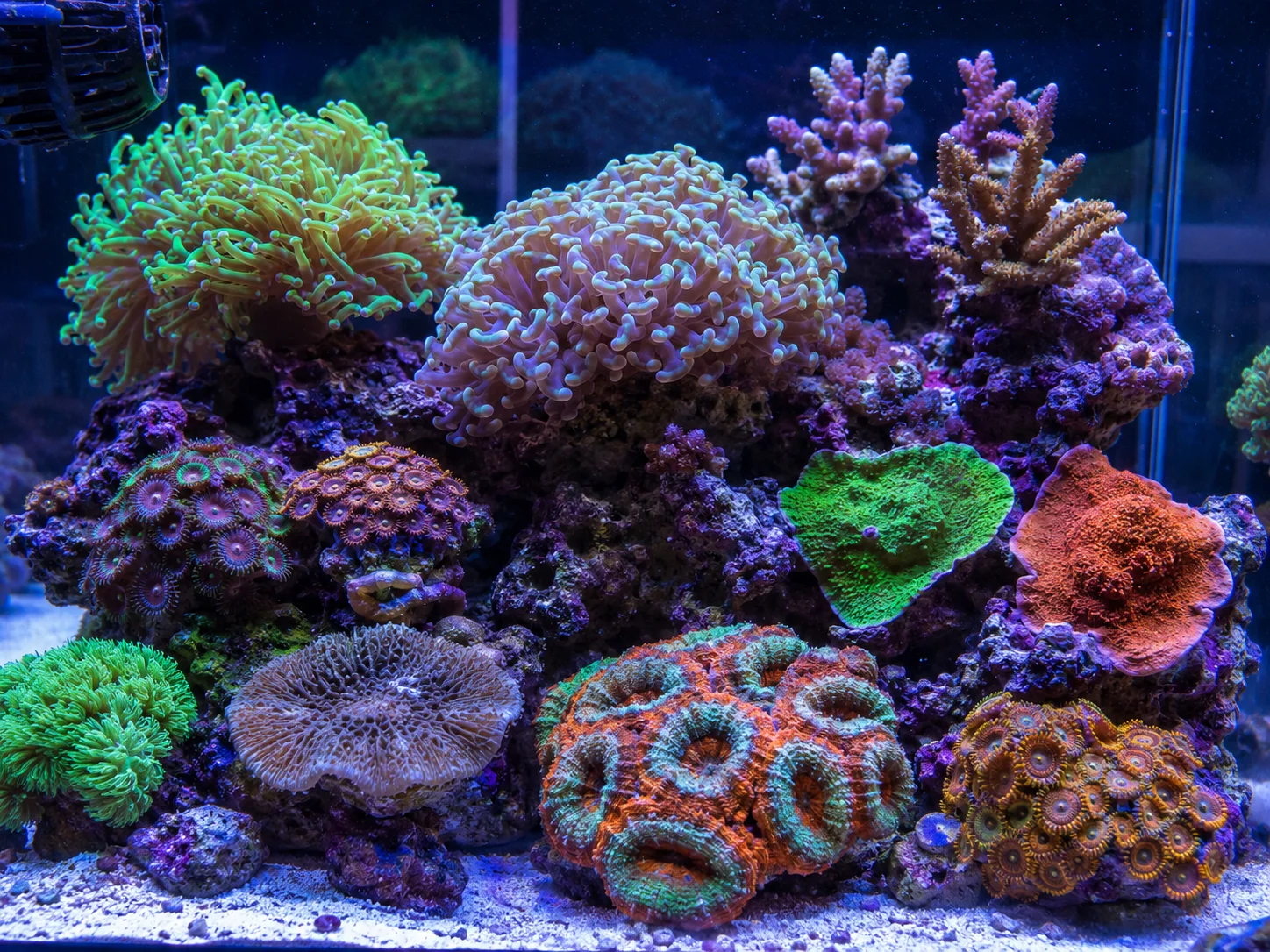
About Palythoa Grandis
Palythoa Grandis is a hardy, large-polyp soft coral with brown-to-green clusters, prized as an easy entry point into soft coral keeping. It lives 10+ years and colonies can reach 30cm or more.
7 things to know before welcoming a Palythoa Grandis
1Hardy and Beginner-Friendly
Palythoa Grandis tolerates fluctuations in water quality better than many soft corals, making it a forgiving choice. It's often recommended as a first coral for those new to the hobby.
2Moderate Light and Flow
Palythoa doesn't require intense lighting, but polyps open best under stable light and gentle water flow. It can take a few days to acclimate to a new tank before fully extending.
3Avoid Bare-Handed Contact
Palythoa species are known to contain irritant compounds in their tissue, so direct bare-handed contact is best avoided. Wear gloves when rearranging or trimming, and wash your hands thoroughly afterward.
4Cut and Divide With Care
When dividing or trimming a colony, work in a well-ventilated area since fine particles can become airborne. It's also a good idea to keep tools used for Palythoa separate from those used on other livestock.
5Colonies Spread Over Time
Given suitable conditions, Palythoa Grandis multiplies and spreads outward as a colony, eventually covering 30cm or more. Leave extra room in your layout to accommodate this growth.
6Notably Large Polyps
Individual polyps measure around 2-3cm, making this one of the larger-polyp Palythoa varieties. Picture both the polyp size and the eventual colony spread when planning your tank layout.
7Prepare a Stable Tank First
Make sure your tank's water parameters are stable before bringing one home. Since Palythoa Grandis can live 10+ years, it's worth setting up an environment you can maintain consistently over the long term.
Frequently asked questions about Palythoa Grandis
- Q.Is this coral suitable for beginners?
- A.Yes. Palythoa Grandis is hardy and tolerant of water quality fluctuations, making it a popular starting point for coral keeping. As long as you maintain basic water parameters, it's manageable for newcomers.
- Q.How large does it get?
- A.Individual polyps reach about 2-3cm, and a colony can spread to 30cm or more over time. Growth is gradual, with the colony expanding outward as conditions allow.
- Q.Is it safe to touch?
- A.Palythoa species are known to contain irritant compounds in their tissue, so direct bare-handed contact should be avoided. Wearing gloves during any handling is the standard practice.
- Q.Does it need to be fed?
- A.It relies mainly on photosynthesis from symbiotic algae, so supplemental feeding isn't essential. As long as lighting is adequate, it requires relatively little day-to-day effort.
- Q.Can it be kept with other corals?
- A.It can generally be kept alongside other corals, but because Palythoa contains irritant compounds, take care when dividing colonies or rearranging the tank to avoid contact with other livestock or shared tools. Spacing it apart in the layout is recommended.
Useful tools for Palythoa Grandis care
Learn more about Palythoa Grandis in the encyclopedia
View Palythoa Grandis encyclopedia entry →
Care difficulty, lifespan, size and diet — all basics covered.
More in this category
Can't find the one you're looking for?
Post your wishes for free and breeders with matching animals will contact you with introductions.