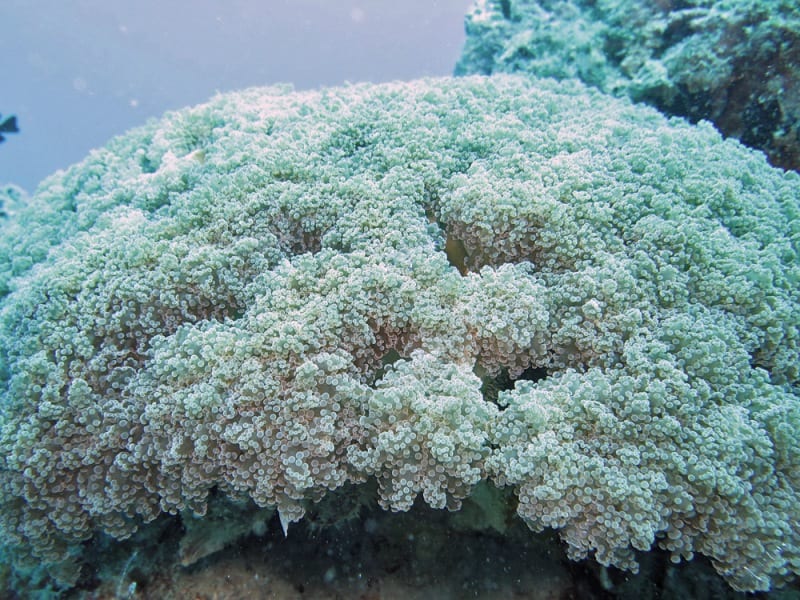
 © Anne Hoggett / CC BY 3.0
Wall Frogspawn Coral
The Wall Frogspawn Coral (Euphyllia divisa) is a striking LPS coral whose tentacle tips branch into delicate, frog-egg-like clusters — the source of its common name. Its skeleton grows in connected walls rather than individual branches, which is the key trait separating it from the branching Frogspawn, F. paradivisa. Known for being beginner-friendly, it rewards keepers with graceful, swaying tentacles that shift gently with tank flow. With a range of vivid colors available, it makes an eye-catching addition for those just starting to explore LPS corals.
View Wall Frogspawn Coral encyclopedia →0% commission on your first sales!Register by September 30, 2026 and your first 2 sales are commission-free!
Breeder Wanted!
List on BreederDirect and sell directly to customers nationwide!
Br-Choku's 6 Transparency Standards
Our Breeder sellers disclose detailed care specs for all Coral listings. We prioritize Aquacultured/CB specimens, verify WYSIWYG photos, and provide difficulty ratings—avoiding wild-caught.
- Aquacultured
- WYSIWYG Photo
- Difficulty Disclosed
- Frag/Colony
- Care Info Included
- Trade name shown
Browse all 210 breeds
Difficulty
Verified breeders wanted for Coral
Breeders are signing up now ahead of launch. Subscribe to be notified when new listings go live.
Getting alerts is free with a member account. When new listings match your saved search, we'll notify you by email and in-app.
Browse other categories
Verified breeders (preview)
About Wall Frogspawn Coral
Wall Frogspawn Coral (Euphyllia divisa) has tentacle tips resembling frog eggs and a wall-forming skeleton. Beginner-friendly and easy to add to a reef tank.
7 things to know before welcoming a Wall Frogspawn Coral
1Provide Gentle Flow
Wall Frogspawn Coral doesn't tolerate strong, one-directional currents well — its polyps won't extend fully if constantly blasted by flow. Aim for gentle, alternating water movement that lets the tentacles sway naturally.
2Moderate Lighting Works Best
This coral tends to prefer moderate lighting over intense exposure, and its tissue can suffer under prolonged strong light. Placing it where other corals cast some shade makes it easier to fine-tune the light it receives.
3Give It Sweeper Room
Like other Euphyllia species, its tentacles carry potent stinging cells that can harm neighboring corals on contact. Leave generous spacing so fully extended tentacles can't reach adjacent colonies.
4Feeding Is Optional
Much of its nutrition comes from photosynthetic zooxanthellae, so it can thrive without direct feeding. Offering small food particles when the tentacles extend at night can support even healthier growth.
5Stable Water Chemistry Matters
Since its skeleton grows in connected walls over time, stable calcium, alkalinity, and magnesium levels are important for healthy skeletal development. Sudden swings in water parameters can cause tissue recession or prolonged polyp retraction.
6Know the Paradivisa Difference
The similar-looking F. paradivisa grows a branching skeleton, while the Wall Frogspawn (divisa) forms connected wall-like structures instead. Checking the skeleton's growth pattern when choosing a specimen helps confirm you're getting the variety you want.
7Acclimate Slowly After Arrival
Tentacles often retract right after transport, so a slow, low-stress acclimation helps the coral settle in. It's normal for polyps to gradually re-extend over the following days to weeks.
Frequently asked questions about Wall Frogspawn Coral
- Q.Is this coral suitable for beginners?
- A.Yes, the Wall Frogspawn Coral (Euphyllia divisa) is generally considered beginner-friendly. With basic water quality care plus moderate flow and lighting, it's an approachable coral to start with.
- Q.How is it different from other Frogspawn corals?
- A.The Wall Frogspawn (divisa) grows its skeleton in connected walls, while the visually similar F. paradivisa develops a branching skeleton instead. The tentacles look alike, so the skeleton's growth pattern is the easiest way to tell them apart.
- Q.Does it need to be fed?
- A.Not necessarily — it gets much of its energy from photosynthesis via its zooxanthellae. Offering fine food particles while the tentacles are extended can support healthier growth over time.
- Q.Can it be kept alongside other corals?
- A.It can, but like other Euphyllia species, its stinging tentacles are potent, so spacing matters. Leave enough room for fully extended tentacles to avoid contact with neighboring corals.
- Q.Does its color change over time?
- A.Coloration can appear different depending on lighting intensity and color temperature, as well as overall water conditions. Many specimens develop richer, more contrasting color once well settled in the tank.
Useful tools for Wall Frogspawn Coral care
Learn more about Wall Frogspawn Coral in the encyclopedia
View Wall Frogspawn Coral encyclopedia entry →
Care difficulty, lifespan, size and diet — all basics covered.
More in this category
Can't find the one you're looking for?
Post your wishes for free and breeders with matching animals will contact you with introductions.