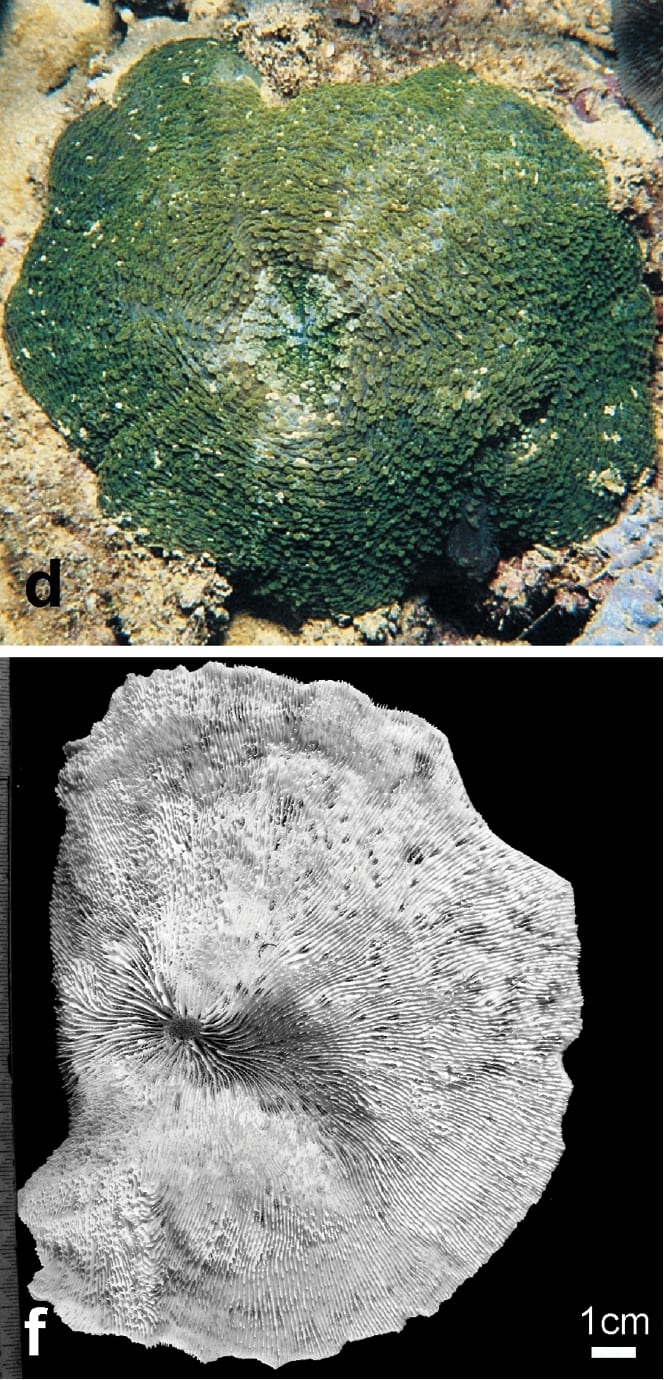
 © K. Yanagiya / CC BY 3.0
Echinomorpha
Echinomorpha, known in Japan as Okinawa Kikka Coral, is a reef-building stony coral that develops a single large corallite at the center of its plate-like skeleton. It is the sole species in the genus Echinomorpha, a distinctive taxonomic position, and it ranges across waters from Japan to the islands of the South Pacific. Its striking form stands out in any tank, and colonies eventually grow to a diameter of several to several tens of centimeters. Because it calls for a degree of hands-on experience, it is generally regarded as a species for intermediate keepers—a fitting next step once the basics of coral care are in hand.
View Echinomorpha encyclopedia →0% commission on your first sales!Register by September 30, 2026 and your first 2 sales are commission-free!
Breeder Wanted!
List on BreederDirect and sell directly to customers nationwide!
Br-Choku's 6 Transparency Standards
Our Breeder sellers disclose detailed care specs for all Coral listings. We prioritize Aquacultured/CB specimens, verify WYSIWYG photos, and provide difficulty ratings—avoiding wild-caught.
- Aquacultured
- WYSIWYG Photo
- Difficulty Disclosed
- Frag/Colony
- Care Info Included
- Trade name shown
Browse all 242 breeds
Difficulty
Verified breeders wanted for Coral
Breeders are signing up now ahead of launch. Subscribe to be notified when new listings go live.
Getting alerts is free with a member account. When new listings match your saved search, we'll notify you by email and in-app.
Browse other categories
Verified breeders (preview)
Echinomorpha key facts
- Care level
- Intermediate
- Size
- Colonies from about 10 cm to several tens of cm
- Temperature
- 24〜26℃
- Diet
- Mainly nutrition from symbiotic zooxanthellae, supplemented with small meaty coral foods offered at night.
- Lighting
- LiveAquaria gives low to moderate lighting for chalice corals. Strong light washes out the colour, so place it from the sand bed to mid-height and adjust while watching the colour.
- Flow & Placement
- Medium flow, randomised so detritus does not settle on the plates, and leave enough space that its tentacles cannot reach a neighbouring coral.
- Water Temperature & Quality
- Water 24-26C, specific gravity 1.023-1.025, salinity 33-35 ppt, KH 8-12. It consumes calcium and magnesium, so test and replenish them regularly.
- Feeding
- Most of its nutrition comes from its zooxanthellae. Placing small meaty coral food directly on the large central corallite after lights-out improves its condition.
- Notes
- Specimen records are limited and the coral rarely reaches the trade, where it is usually labelled with the genus alone. As a scleractinian it is on CITES Appendix II and international trade requires permits.
About Echinomorpha
Echinomorpha (Okinawa Kikka Coral) is a reef-building coral with a single large corallite on its plate-like skeleton. Native from Japan to the South Pacific, colonies grow to tens of centimeters; best suited to intermediate keepers.
7 things to know before welcoming a Echinomorpha
1Sole Species in Its Genus
Echinomorpha is the only species classified in its genus, giving it an unusual taxonomic standing among reef-building corals. This sets it apart even when placed alongside closely related species.
2A Distinctive Skeleton Shape
Its defining feature is a single large corallite that develops at the center of a plate-like skeleton. This distinctive form makes it easy to tell apart from other reef-building corals.
3Native to Japan–South Pacific
This species is found from Japan through the islands of the South Pacific. Once it arrives in your tank, aim to provide stable water quality along with moderate light and flow that echo its natural range.
4Best for Intermediate Keepers
This species is generally rated as suitable for intermediate keepers. Having a foundation of coral-keeping experience before bringing one home makes it easier to maintain stable conditions.
5Grows to Tens of Centimeters
Mature colonies reach a diameter of roughly ten to several tens of centimeters. When planning your tank, account for this eventual size so there's enough room to grow.
6Allow Room to Grow
Because it spreads outward as it grows, choose a placement that won't interfere with neighboring corals or equipment. Plan your layout with its future spread in mind.
7Avoid Sudden Water Changes
As with reef-building corals in general, abrupt shifts in water parameters can cause stress. After introducing it, acclimate it slowly to help it settle into its new environment.
Frequently asked questions about Echinomorpha
- Q.How large does it eventually grow?
- A.Mature colonies reach a diameter of roughly ten to several tens of centimeters, giving them a strong presence even in a home aquarium.
- Q.Is this suitable for beginners?
- A.It is generally rated as suitable for intermediate keepers, so it's best attempted after gaining some foundational coral-keeping experience.
- Q.Is this species subject to CITES?
- A.Echinomorpha is listed in CITES Appendix II. International trade requires a permit from the exporting country, but as far as CITES is concerned, no registration is needed to buy or sell individuals already legally in Japan.
- Q.How can I tell it apart from other corals?
- A.Its key trait is a single large corallite at the center of a plate-like skeleton, a distinctive shape that sets it apart from other reef-building corals.
- Q.Where does it naturally occur?
- A.It occurs naturally from Japan through the islands of the South Pacific, and stands out taxonomically as the only species in the genus Echinomorpha.
Useful tools for Echinomorpha care
Learn more about Echinomorpha in the encyclopedia
View Echinomorpha encyclopedia entry →
Care difficulty, lifespan, size and diet — all basics covered.
More in this category
Can't find the one you're looking for?
Post your wishes for free and breeders with matching animals will contact you with introductions.