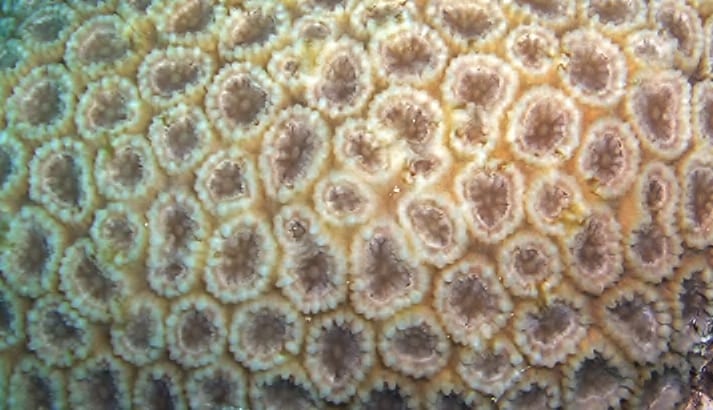
 © James Maragos/USFWS / Public domain
Dipsastraea Speciosa
Dipsastraea speciosa, commonly known as Speciosa Brain Coral, is a reef-building coral that grows into rounded, dome-shaped colonies. Its defining feature is a classic faviid look, with individually separated corallites spread evenly across the surface, and colors ranging from brown to green depending on the individual. It is a hardy coral that tolerates a wide range of lighting and water flow, making it a great first LPS choice for beginning reef keepers. Understated rather than flashy, it works equally well as a centerpiece or a supporting piece in a reef layout, combining easy care with real visual presence.
View Dipsastraea Speciosa encyclopedia →0% commission on your first sales!Register by September 30, 2026 and your first 2 sales are commission-free!
Breeder Wanted!
List on BreederDirect and sell directly to customers nationwide!
Br-Choku's 6 Transparency Standards
Our Breeder sellers disclose detailed care specs for all Coral listings. We prioritize Aquacultured/CB specimens, verify WYSIWYG photos, and provide difficulty ratings—avoiding wild-caught.
- Aquacultured
- WYSIWYG Photo
- Difficulty Disclosed
- Frag/Colony
- Care Info Included
- Trade name shown
Browse all 210 breeds
Difficulty
Verified breeders wanted for Coral
Breeders are signing up now ahead of launch. Subscribe to be notified when new listings go live.
Getting alerts is free with a member account. When new listings match your saved search, we'll notify you by email and in-app.
Browse other categories
Verified breeders (preview)
About Dipsastraea Speciosa
Dipsastraea speciosa is a hardy, beginner-friendly LPS coral forming dome-shaped colonies with a classic faviid pattern of individually separated corallites in shades of brown to green.
7 things to know before welcoming a Dipsastraea Speciosa
1Hardy and Easy to Keep
Dipsastraea speciosa tolerates a wide range of lighting and water flow conditions. It adapts relatively well to environmental changes, making it a manageable choice for those trying LPS coral for the first time.
2Grows into Dome-Shaped Colonies
As it grows, it forms rounded, dome-shaped colonies with individually separated corallites. The colony can reach a diameter of several tens of centimeters, becoming a substantial presence in the aquascape.
3Colors Range from Brown to Green
Individual colonies vary from brown to green in coloration. Since each specimen has its own distinct look even within the same species, choosing one with colors you like is part of the enjoyment.
4Avoid Direct Strong Flow
While it tolerates a range of flow conditions, it is best placed where water circulates gently rather than in a spot hit directly by strong current, which helps it settle in more stably.
5Give It Space from Neighbors
LPS corals, including this species, can extend sweeper tentacles or mesenterial filaments to sting neighboring corals. Leave adequate spacing between it and other corals when placing it in the tank.
6Feeding Can Support Growth
Since it hosts photosynthetic zooxanthellae, it gets much of its energy from light, but offering small food particles can help support growth and coloration.
7Prepare Your Tank Before Bringing One Home
Before bringing one home, confirm that your tank's temperature, salinity, lighting, and flow are all within a suitable range. Careful acclimation during introduction helps it settle in more stably afterward.
Frequently asked questions about Dipsastraea Speciosa
- Q.Can beginners keep this coral?
- A.Yes, Dipsastraea speciosa is hardy and tolerates a wide range of lighting and flow conditions, making it a popular first LPS choice. Maintaining stable basic water quality remains important.
- Q.How large does it grow?
- A.Colonies can reach a diameter of several tens of centimeters. Growth speed varies with tank conditions, so it is wise to plan for enough space in your layout in advance.
- Q.Can it be kept with other corals?
- A.Yes, as long as adequate spacing is maintained. LPS corals like this one can sting neighboring corals with mesenterial filaments, so care with placement distance is needed.
- Q.Are there any legal restrictions?
- A.Dipsastraea speciosa is not subject to CITES.
- Q.Does it need to be fed?
- A.It hosts photosynthetic zooxanthellae, so light alone can cover its basic nutritional needs. Feeding is not required, but offering small food particles can help support its growth.
Useful tools for Dipsastraea Speciosa care
Learn more about Dipsastraea Speciosa in the encyclopedia
View Dipsastraea Speciosa encyclopedia entry →
Care difficulty, lifespan, size and diet — all basics covered.
More in this category
Can't find the one you're looking for?
Post your wishes for free and breeders with matching animals will contact you with introductions.