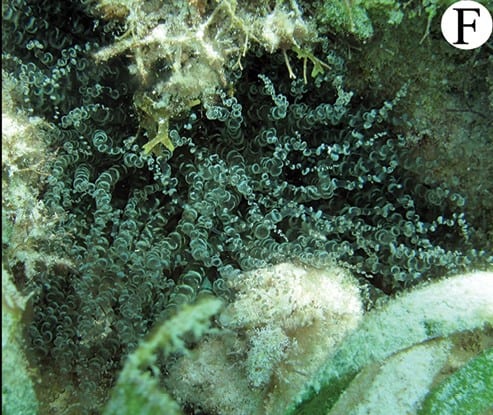
 © Ricardo González-Muñoz, Nuno Simões, José Luis Tello-Musi, Estefanía Rodríguez / CC BY 3.0
Curlycue Anemone
The Curlycue Anemone is one of the most common anemones found on Caribbean reefs, instantly recognizable by its translucent tentacles that twist into loose, curling spirals. Under aquarium lighting, the tips of those tentacles often catch a subtle shimmer, giving the animal a striking presence in a reef tank. In the wild it favors sandy or muddy bottoms and seagrass beds, burying its pedal disc in the substrate to anchor itself, so a tank with a soft sand bed suits it best. It's also known for partnering with cleaner shrimp, a relationship hobbyists can often recreate in a mixed reef tank. Hardy and adaptable, it's generally considered a beginner-friendly anemone, making it a good starting point for anyone new to keeping anemones.
View Curlycue Anemone encyclopedia →0% commission on your first sales!Register by September 30, 2026 and your first 2 sales are commission-free!
Breeder Wanted!
List on BreederDirect and sell directly to customers nationwide!
Br-Choku's 6 Transparency Standards
Our Breeder sellers disclose detailed care specs for all Coral listings. We prioritize Aquacultured/CB specimens, verify WYSIWYG photos, and provide difficulty ratings—avoiding wild-caught.
- Aquacultured
- WYSIWYG Photo
- Difficulty Disclosed
- Frag/Colony
- Care Info Included
- Trade name shown
Browse all 210 breeds
Difficulty
Verified breeders wanted for Coral
Breeders are signing up now ahead of launch. Subscribe to be notified when new listings go live.
Getting alerts is free with a member account. When new listings match your saved search, we'll notify you by email and in-app.
Browse other categories
Verified breeders (preview)
Curlycue Anemone key facts
- Care level
- Beginner-friendly
- Temperature
- 24〜27℃
- Diet
- Photosynthesis via zooxanthellae plus meaty foods
- Lighting
- It carries zooxanthellae, so moderate lighting is enough; intense light is not required.
- Flow & Placement
- Give moderate flow and offer soft sediment or seagrass where it can bury its base, rather than bare rock.
- Water Temperature & Quality
- Hold 24-27 C and 1.022-1.025 specific gravity steadily; it dislikes sudden swings.
- Feeding
- Besides photosynthesis, target-feed minced fish or shrimp onto the tentacles to keep it in good condition.
- Notes
- Like Aiptasia in the same family it spreads readily. It stings, so keep it from touching other corals.
About Curlycue Anemone
The Curlycue Anemone is a hardy Caribbean species with translucent, spiral-twisted tentacles. Known for partnering with cleaner shrimp, it's a beginner-friendly choice for a reef tank.
7 things to know before welcoming a Curlycue Anemone
1Beginner-Friendly Anemone
This anemone is hardy and adaptable, generally rated as beginner-friendly to keep. It's a solid choice for hobbyists trying anemone care for the first time.
2Buries Its Pedal Disc in Sand
In the wild it favors sandy or muddy bottoms and seagrass beds, burying its pedal disc in the substrate. Provide a tank with a reasonably deep sand bed so it can settle in comfortably.
3Stinging Tentacles Need Space
Those translucent tentacles carry stinging cells that can harm neighboring corals or fish on contact. Give it plenty of clearance from other tank inhabitants.
4May Relocate Itself
If it isn't happy with its spot, it may detach its foot and drift with the current to find a new one. Give it time, anywhere from days to a few weeks, to settle after placement.
5Partners With Cleaner Shrimp
In the wild, this anemone is known to host cleaner shrimp species. Pairing it with cleaner shrimp in a mixed reef tank lets you observe this natural partnership.
6Not a Typical Clownfish Host
Its looks often lead hobbyists to expect a clownfish partnership, but this species doesn't typically host clownfish. If hosting is your goal, look into other anemone species instead.
7Feeding and Reproduction
It captures small meaty foods with its tentacles, so offering frozen brine shrimp or mysis shrimp directly works well. It can also multiply naturally in captivity through pedal laceration, producing new individuals from its foot.
Frequently asked questions about Curlycue Anemone
- Q.Can beginners keep a Curlycue Anemone?
- A.Yes. It's hardy and adaptable, and known as a good starter anemone for reef keeping. That said, you should still be mindful of its stinging tentacles and its need for a proper sand bed.
- Q.Will it host a clownfish if kept together?
- A.Generally, no. This species doesn't typically host clownfish, so if hosting is your main goal, you'll want to consider a different anemone species instead.
- Q.What kind of setup does it need?
- A.It does best with a sandy or muddy substrate it can bury its pedal disc into. A tank made up mostly of rockwork can make it harder for it to find a spot to settle.
- Q.Is it safe to keep with other corals or fish?
- A.Its tentacles carry stinging cells that can damage anything they touch, so give it distance from neighbors. Also plan your layout with the possibility that it may relocate itself over time.
- Q.Can it multiply and overtake the tank?
- A.Yes, it can reproduce naturally in captivity through pedal laceration, splitting off new individuals from its foot. If numbers grow too high, consider moving some off to another tank.
Useful tools for Curlycue Anemone care
Learn more about Curlycue Anemone in the encyclopedia
View Curlycue Anemone encyclopedia entry →
Care difficulty, lifespan, size and diet — all basics covered.
More in this category
Can't find the one you're looking for?
Post your wishes for free and breeders with matching animals will contact you with introductions.