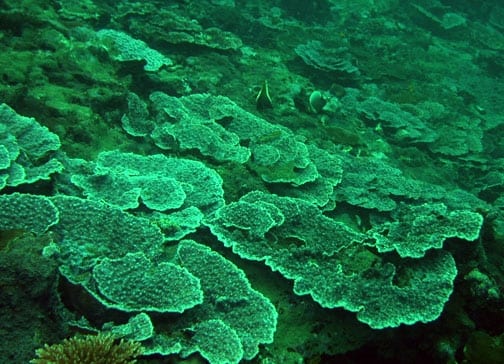
 © NPS photo - Larry Basch / Public domain
Mycedium (Elephant Nose Coral)
The Elephant Nose Coral (Mycedium) is a reef-building species in the family Lobophylliidae that grows into thin, plate-like colonies. Its corallites project outward from the edges of the plate, resembling an elephant's trunk — the origin of its common name. Colonies typically show green or brownish tones accented by striking red oral discs. Suited to keepers with some prior experience, it rewards patience with a distinctive shape and color pattern that develops as the colony spreads.
View Mycedium (Elephant Nose Coral) encyclopedia →0% commission on your first sales!Register by September 30, 2026 and your first 2 sales are commission-free!
Breeder Wanted!
List on BreederDirect and sell directly to customers nationwide!
Br-Choku's 6 Transparency Standards
Our Breeder sellers disclose detailed care specs for all Coral listings. We prioritize Aquacultured/CB specimens, verify WYSIWYG photos, and provide difficulty ratings—avoiding wild-caught.
- Aquacultured
- WYSIWYG Photo
- Difficulty Disclosed
- Frag/Colony
- Care Info Included
- Trade name shown
Browse all 210 breeds
Difficulty
Verified breeders wanted for Coral
Breeders are signing up now ahead of launch. Subscribe to be notified when new listings go live.
Getting alerts is free with a member account. When new listings match your saved search, we'll notify you by email and in-app.
Browse other categories
Verified breeders (preview)
About Mycedium (Elephant Nose Coral)
A plate-forming Lobophylliidae coral whose edge corallites resemble an elephant's trunk, with striking red oral discs. Best suited to keepers with some experience.
7 things to know before welcoming a Mycedium (Elephant Nose Coral)
1Thin, Plate-Like Growth Form
Colonies grow outward in a thin, flattened form and can eventually reach a diameter of several tens of centimeters. Leave enough horizontal space around the placement site to accommodate this lateral spread.
2Corallites Projecting From the Edge
Its most distinctive trait is the way corallites jut outward along the plate's edge, a form that evokes an elephant's trunk — the source of the common name Elephant Nose Coral.
3Green-Brown Base With Red Oral Discs
The colony typically shows green or brownish tones, with red oral discs creating a striking contrast that adds to its visual appeal. The way light falls across the plate changes how the texture and shading appear.
4Suited to Intermediate Keepers
This species is generally rated as suitable for intermediate keepers, requiring some prior experience with water quality and lighting management. First-time coral keepers should build a foundation in basic water parameter management before taking it on.
5Placement and Water Flow Considerations
Because of its flat, spreading form, a calmer spot without excessively strong direct flow tends to suit it well. Keep an eye on contact with neighboring colonies and leave room for future growth.
6Check Tank Conditions Before Bringing One Home
Before introducing the coral, confirm that your tank's water quality, lighting, and flow are stable, which helps reduce stress from environmental change. Watch closely for any changes in condition right after introduction.
7Long-Term Care With Future Spread in Mind
Since colonies can eventually grow to a diameter of several tens of centimeters, it's worth planning your aquascape and surrounding space with this long-term growth in mind. Regular observation helps you track how the colony is developing.
Frequently asked questions about Mycedium (Elephant Nose Coral)
- Q.How difficult is it to keep an Elephant Nose Coral?
- A.It is generally rated as suitable for intermediate keepers. Some prior experience with water quality and lighting management makes it easier to care for.
- Q.How large does it grow as it matures?
- A.Colonies can reach a diameter of several tens of centimeters. Be sure to leave enough horizontal space around the placement site for this growth.
- Q.Where does the name "Elephant Nose" come from?
- A.It comes from the way corallites project outward from the edge of the plate, resembling an elephant's trunk. This distinctive shape is the basis for its common name.
- Q.Is it subject to CITES or other legal regulations?
- A.This species is not subject to CITES.
- Q.What should I consider when choosing a placement spot?
- A.Because of its flat, spreading form, a calmer spot without excessively strong direct flow tends to suit it well. Also consider contact with neighboring colonies and leave room for future growth.
Useful tools for Mycedium (Elephant Nose Coral) care
Learn more about Mycedium (Elephant Nose Coral) in the encyclopedia
View Mycedium (Elephant Nose Coral) encyclopedia entry →
Care difficulty, lifespan, size and diet — all basics covered.
More in this category
Can't find the one you're looking for?
Post your wishes for free and breeders with matching animals will contact you with introductions.