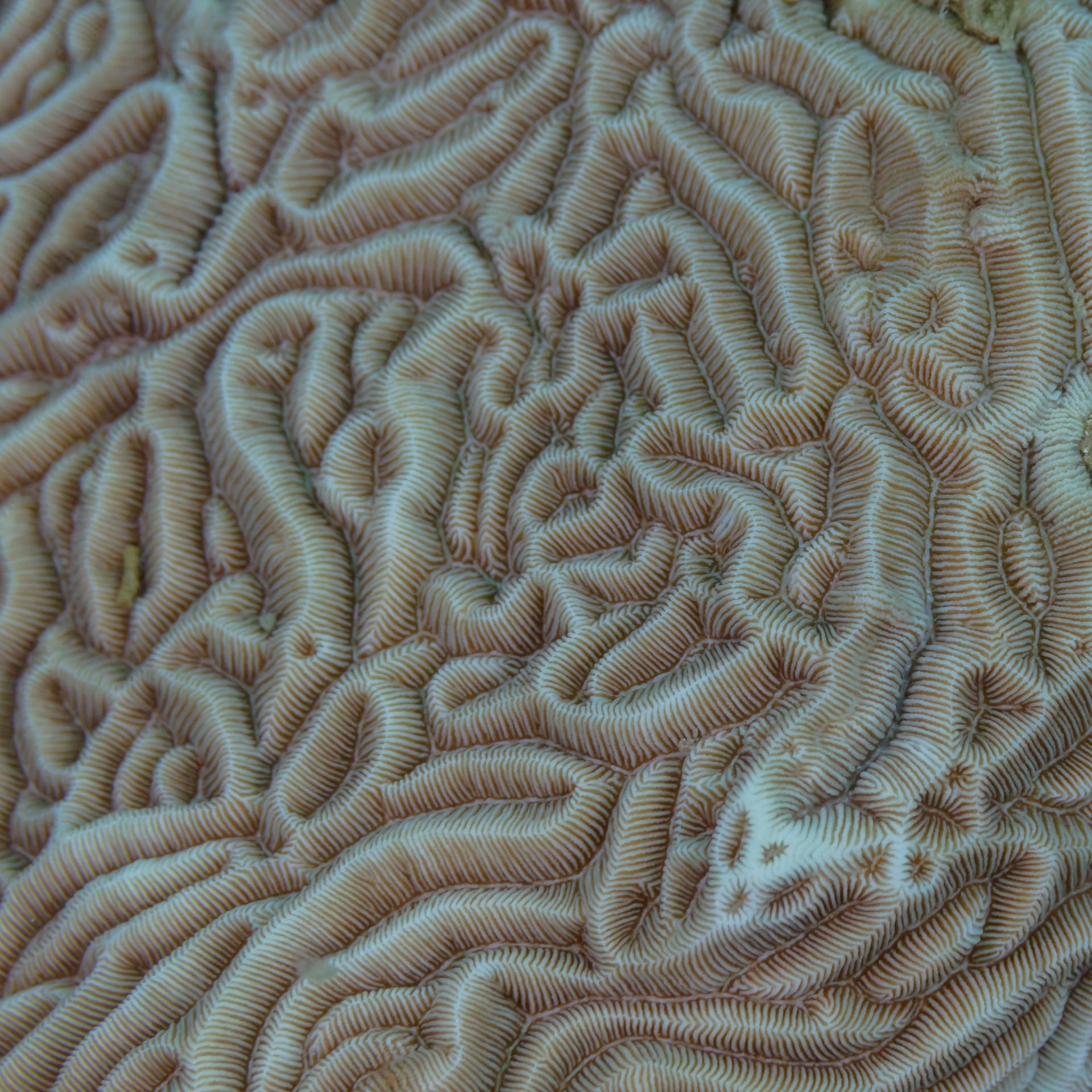
 © Diego Delso / CC BY-SA 4.0
Pachyseris Speciosa
Pachyseris speciosa is a reef-building coral prized for the striking pattern of fine, concentric ridges that ripple across its plate-like colonies. Its corallites sit buried between these ridges, so individual polyps are barely visible to the naked eye, giving the surface a smooth, map-like texture. It tolerates low to moderate lighting, making it a practical choice for setups that can't provide intense light. Colonies can eventually reach several tens of centimeters across, forming a bold, sculptural centerpiece. Because of this, it's generally considered a species suited to intermediate keepers.
View Pachyseris Speciosa encyclopedia →0% commission on your first sales!Register by September 30, 2026 and your first 2 sales are commission-free!
Breeder Wanted!
List on BreederDirect and sell directly to customers nationwide!
Br-Choku's 6 Transparency Standards
Our Breeder sellers disclose detailed care specs for all Coral listings. We prioritize Aquacultured/CB specimens, verify WYSIWYG photos, and provide difficulty ratings—avoiding wild-caught.
- Aquacultured
- WYSIWYG Photo
- Difficulty Disclosed
- Frag/Colony
- Care Info Included
- Trade name shown
Browse all 210 breeds
Difficulty
Verified breeders wanted for Coral
Breeders are signing up now ahead of launch. Subscribe to be notified when new listings go live.
Getting alerts is free with a member account. When new listings match your saved search, we'll notify you by email and in-app.
Browse other categories
Verified breeders (preview)
Pachyseris Speciosa key facts
- Care level
- Intermediate
- Size
- Colonies to several tens of cm
- Temperature
- 24〜27℃
- Diet
- Mainly nutrition from symbiotic zooxanthellae, supplemented with liquid or powdered coral foods.
- Lighting
- Growing anywhere from 4 to 35 m, it does not require intense light. LiveAquaria lists high lighting, but it also keeps well under moderate illumination.
- Flow & Placement
- LiveAquaria lists strong flow and a middle position. Detritus settling on the upper plate causes tissue recession, so direct flow to sweep the surface.
- Water Temperature & Quality
- Water 24-27C, specific gravity 1.023-1.025 (33-35 ppt), KH 8-12, calcium 400-450 ppm, magnesium 1280-1350 ppm. Sudden swings in alkalinity are the most common cause of tissue recession.
- Feeding
- It has no polyps visible to the eye, so target-feeding pellets is not appropriate. Most of its nutrition comes from photosynthesis; liquid or powdered coral foods can be offered as a supplement.
- Notes
- The Japanese name given here properly belongs to the genus Pavona, not to this species. The IUCN lists it as Least Concern, but as a scleractinian it still falls under the blanket CITES Appendix II listing.
About Pachyseris Speciosa
Pachyseris speciosa is a reef coral with plate-like colonies covered in fine, concentric ridges. It adapts to low-to-moderate light and grows to a colony diameter of tens of centimeters, suited to intermediate keepers.
7 things to know before welcoming a Pachyseris Speciosa
1Plate-Like Growth Form
Pachyseris speciosa grows as a flat, plate-shaped colony that spreads outward. Viewed from above, it displays layer upon layer of fine, concentric ridges resembling tree rings.
2Polyps Hidden From View
Because its corallites are buried between the ridges, you won't see clearly visible tentacles or polyps the way you might with many other corals. Judging its condition instead comes down to reading changes in surface texture and color.
3Tolerates Low-to-Moderate Light
This coral doesn't require intense lighting, making it a practical option for tanks that can't provide strong light. Even so, introduce it gradually and avoid sudden changes in light intensity when acclimating a new colony.
4Suited to Intermediate Keepers
It's generally regarded as a species for intermediate keepers, requiring water quality, flow, and lighting to be kept within a fairly steady range. It's best introduced after you've built some basic experience with coral keeping.
5Colonies Reach Tens of cm
Mature colonies can reach a diameter of several tens of centimeters, so it's worth planning for future space when placing it. Since it spreads outward as a plate, keep its horizontal growth in mind when arranging your layout.
6Flow and Placement Matter
Sediment can accumulate on its flat surface, so placing it where gentle, steady flow reaches it helps keep it healthy. Avoid both overly strong current and stagnant spots.
7Give Neighbors Space
Because it spreads outward as it grows, contact with neighboring corals can trigger territorial aggression. Leave adequate space around it to account for its eventual size.
Frequently asked questions about Pachyseris Speciosa
- Q.Is Pachyseris speciosa suitable for beginners?
- A.It's generally considered a species for intermediate keepers. It's best to have some experience with basic water quality and lighting management for corals before taking one on.
- Q.Why are the polyps barely visible?
- A.Its corallites are buried between the concentric ridges, which is a natural feature of this species. Rather than looking for visible tentacles, judge its condition by changes in surface color and texture.
- Q.How much light does it need?
- A.It's said to tolerate low-to-moderate light levels. Even so, avoid sudden changes in lighting when introducing a new colony and acclimate it gradually.
- Q.How large does it eventually grow?
- A.Colonies can reach a diameter of several tens of centimeters. Since it spreads outward as a plate, it helps to plan for future space when placing it.
- Q.Is Pachyseris speciosa listed under CITES?
- A.Pachyseris Speciosa is listed in CITES Appendix II. International trade requires a permit from the exporting country, but as far as CITES is concerned, no registration is needed to buy or sell individuals already legally in Japan.
Useful tools for Pachyseris Speciosa care
Learn more about Pachyseris Speciosa in the encyclopedia
View Pachyseris Speciosa encyclopedia entry →
Care difficulty, lifespan, size and diet — all basics covered.
More in this category
Can't find the one you're looking for?
Post your wishes for free and breeders with matching animals will contact you with introductions.