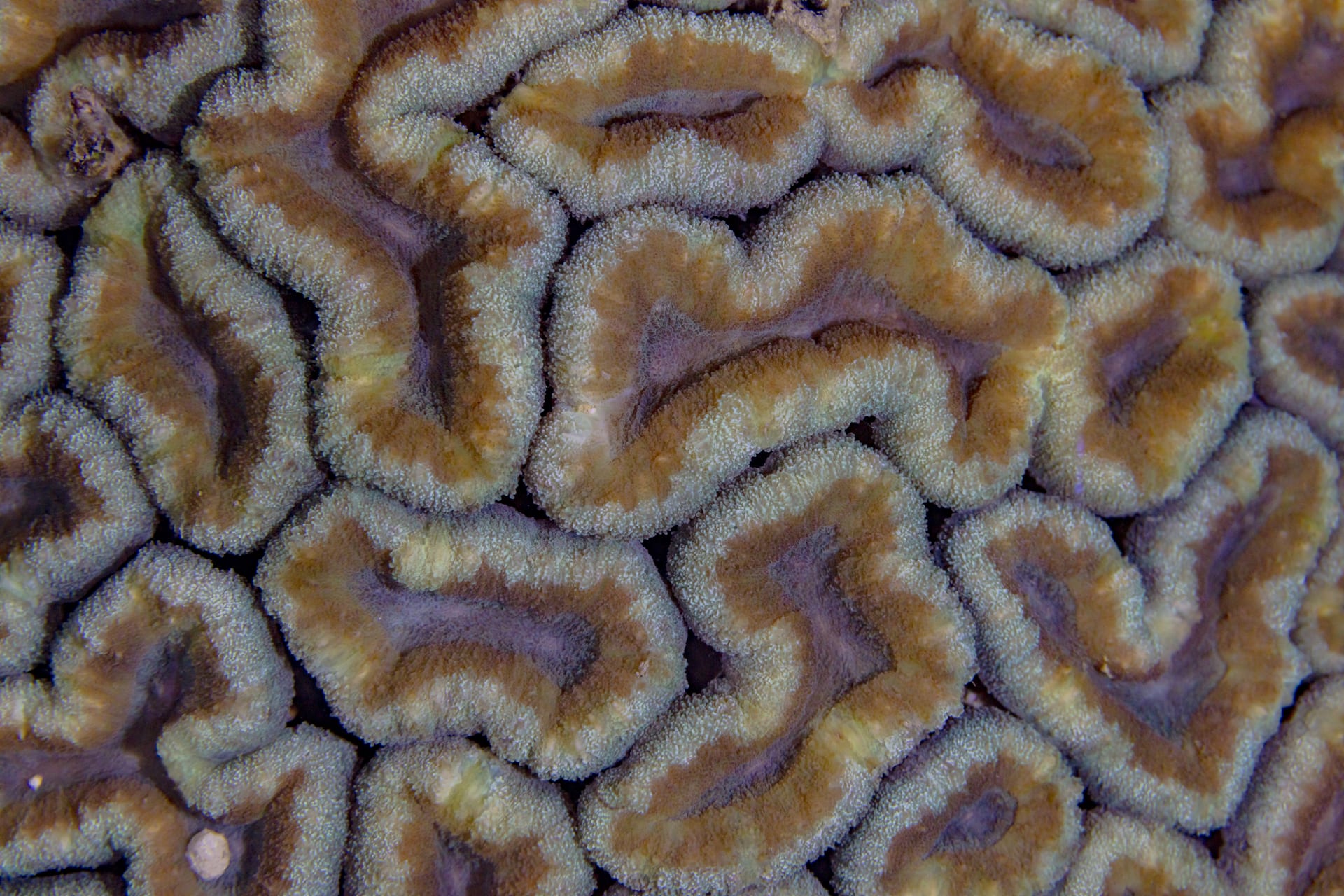
 © Diego Delso / CC BY-SA 4.0
Lobed Cactus Coral
The Lobed Cactus Coral is a large-polyp stony (LPS) coral widely distributed across the Indo-Pacific. Its thick, fleshy polyps fuse into valley-like ridges that give the colony a brain-like, undulating surface. Colonies that fluoresce green or red under blue light are especially prized by hobbyists for their striking presence in the tank. At night, the coral extends long feeding tentacles to capture food, and regular target feeding supports healthy growth. It moves little and has a calm, understated character, making it rewarding to observe closely over time. As a species generally recommended for intermediate keepers, it helps to have a working knowledge of water quality and lighting basics before bringing one home.
View Lobed Cactus Coral encyclopedia →0% commission on your first sales!Register by September 30, 2026 and your first 2 sales are commission-free!
Breeder Wanted!
List on BreederDirect and sell directly to customers nationwide!
Br-Choku's 6 Transparency Standards
Our Breeder sellers disclose detailed care specs for all Coral listings. We prioritize Aquacultured/CB specimens, verify WYSIWYG photos, and provide difficulty ratings—avoiding wild-caught.
- Aquacultured
- WYSIWYG Photo
- Difficulty Disclosed
- Frag/Colony
- Care Info Included
- Trade name shown
Browse all 210 breeds
Difficulty
Verified breeders wanted for Coral
Breeders are signing up now ahead of launch. Subscribe to be notified when new listings go live.
Getting alerts is free with a member account. When new listings match your saved search, we'll notify you by email and in-app.
Browse other categories
Verified breeders (preview)
About Lobed Cactus Coral
The Lobed Cactus Coral is an LPS known for its brain-like ridges. Green and red fluorescent colonies are popular, and this coral thrives with night feeding — a good choice for intermediate keepers.
7 things to know before welcoming a Lobed Cactus Coral
1Fleshy Polyps in Valley Ridges
Adjacent polyps fuse together to form valley-like ridges, which is this coral's defining feature. The pattern of ridges and coloration varies between colonies, so no two specimens look quite the same.
2Nighttime Feeding Tentacles
The polyps often stay contracted during the day and extend feeding tentacles at night to capture food. Feeding during darker hours makes it easier to observe this behavior.
3Feeding Supports Growth
Beyond what it gains from photosynthesis, this coral responds well to direct feeding. Offering frozen food or coral-specific feed when the tentacles are extended tends to work best.
4Placement and Water Flow
Because of its fleshy tissue, avoid placing it in direct strong flow — a spot with gentle, indirect current works best. Also allow enough space to prevent contact with neighboring corals.
5Individual Fluorescent Coloration
Colonies with green or red fluorescence are especially popular, though the intensity can shift with lighting and water conditions. Checking the actual coloration before acquiring one helps with selection.
6Suited to Intermediate Keepers
This species is generally considered suitable for intermediate keepers. Some prior experience with coral-keeping fundamentals — water quality, lighting, and flow — helps maintain a stable environment for it.
7Check Your Tank Before Bringing One Home
Before acquiring one, confirm that your water parameters are stable and that there's enough space between it and neighboring corals. A well-prepared environment is the first step to keeping it healthy.
Frequently asked questions about Lobed Cactus Coral
- Q.Can beginners keep the Lobed Cactus Coral?
- A.This species is generally recommended for intermediate keepers. It's best suited to those with some coral-keeping experience, though it can be manageable in a well-prepared setup.
- Q.How often should I feed it?
- A.It can survive on photosynthesis alone, but regular feeding tends to support better growth. Feeding at night, when the tentacles are extended, works well.
- Q.Is it safe to place near other corals?
- A.Because of its fleshy tissue, it's best to leave ample space between it and other corals to avoid contact. Keep in mind it may expand further as it grows.
- Q.What water flow does it prefer?
- A.Avoid spots with direct strong flow; a gentle, well-circulated current suits it better. Thoughtful placement helps keep the polyps in good condition.
- Q.Is it subject to CITES regulations?
- A.The Lobed Cactus Coral is not subject to CITES.
Useful tools for Lobed Cactus Coral care
Learn more about Lobed Cactus Coral in the encyclopedia
View Lobed Cactus Coral encyclopedia entry →
Care difficulty, lifespan, size and diet — all basics covered.
More in this category
Can't find the one you're looking for?
Post your wishes for free and breeders with matching animals will contact you with introductions.