Source: Wikimedia Commons
Lobed Cactus Coral
IntermediateLobophyllia hemprichii
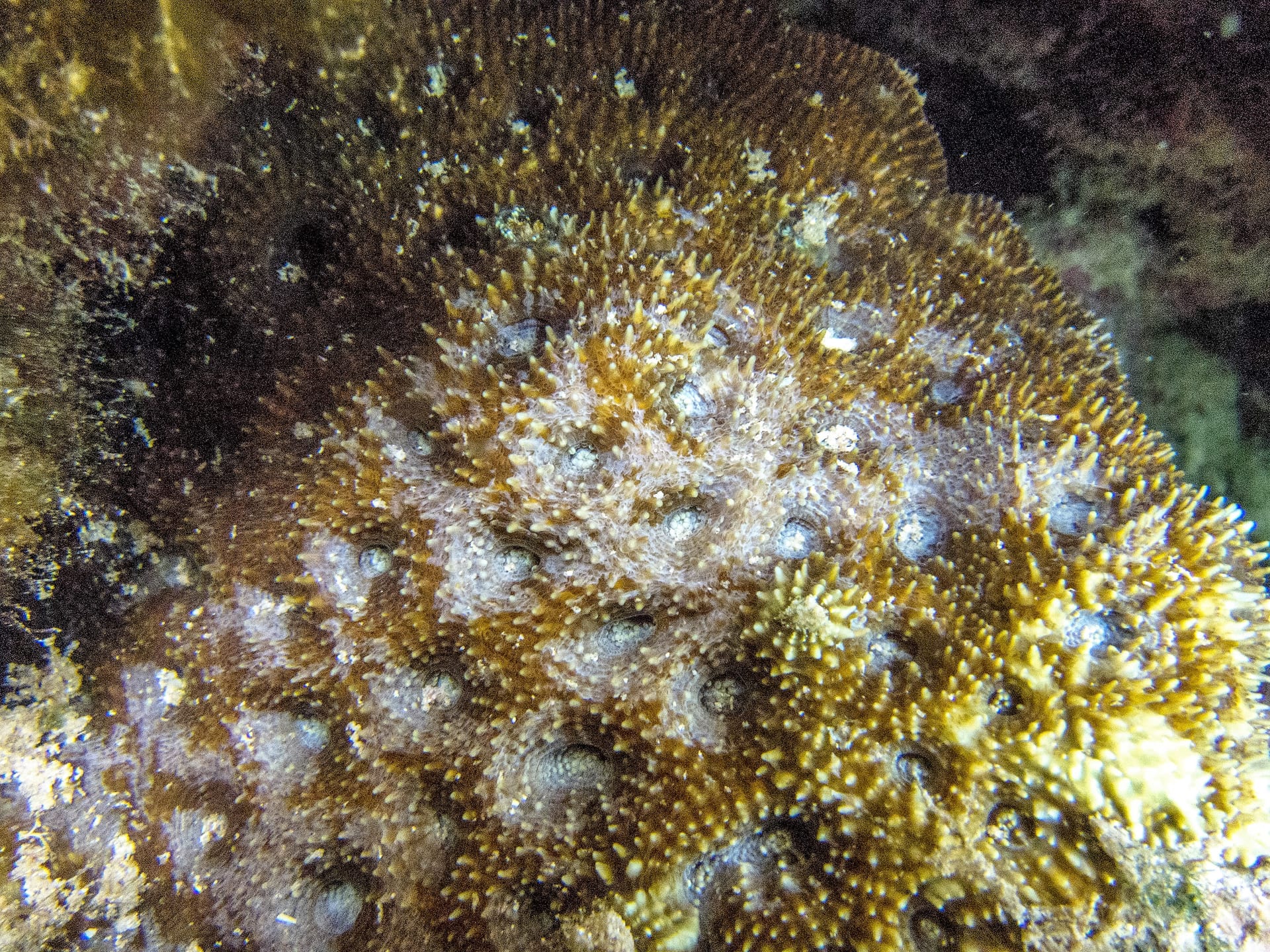
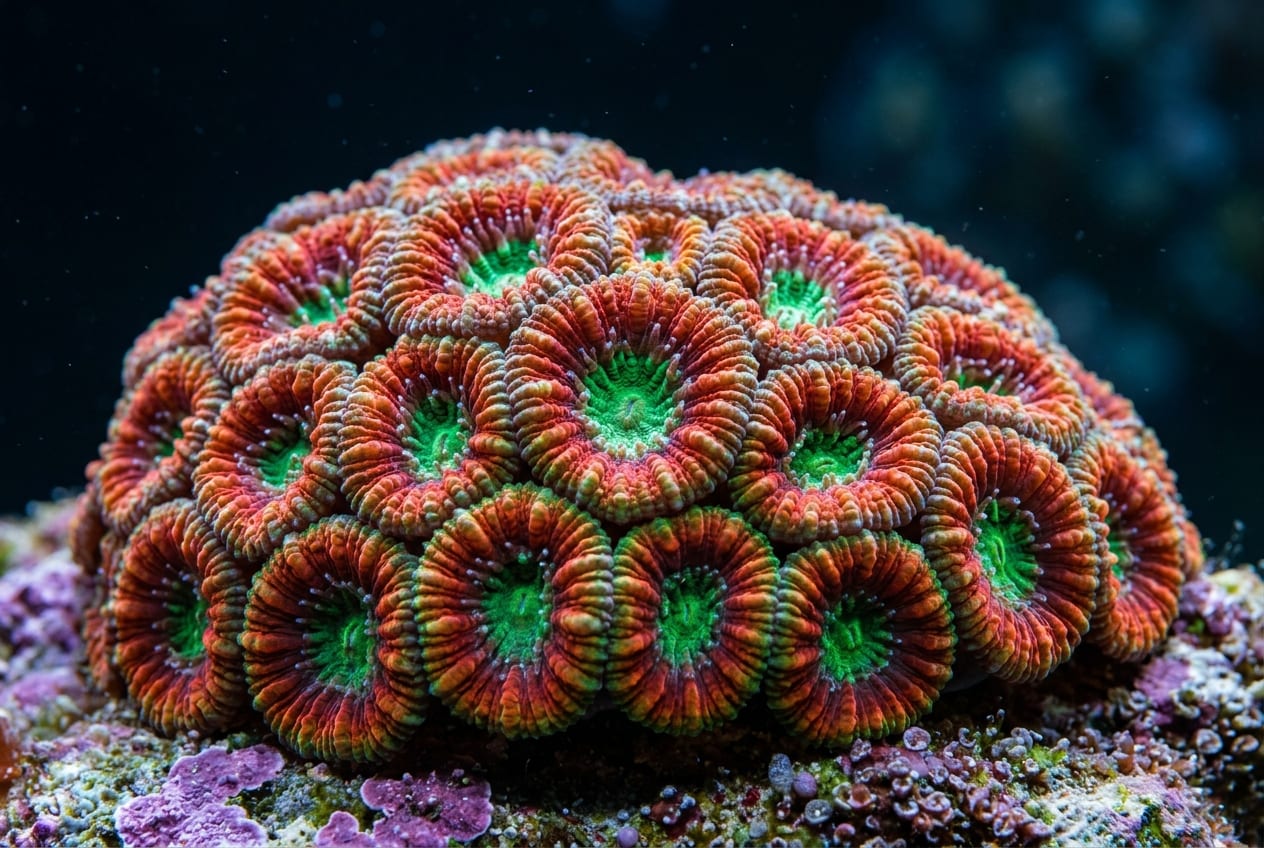
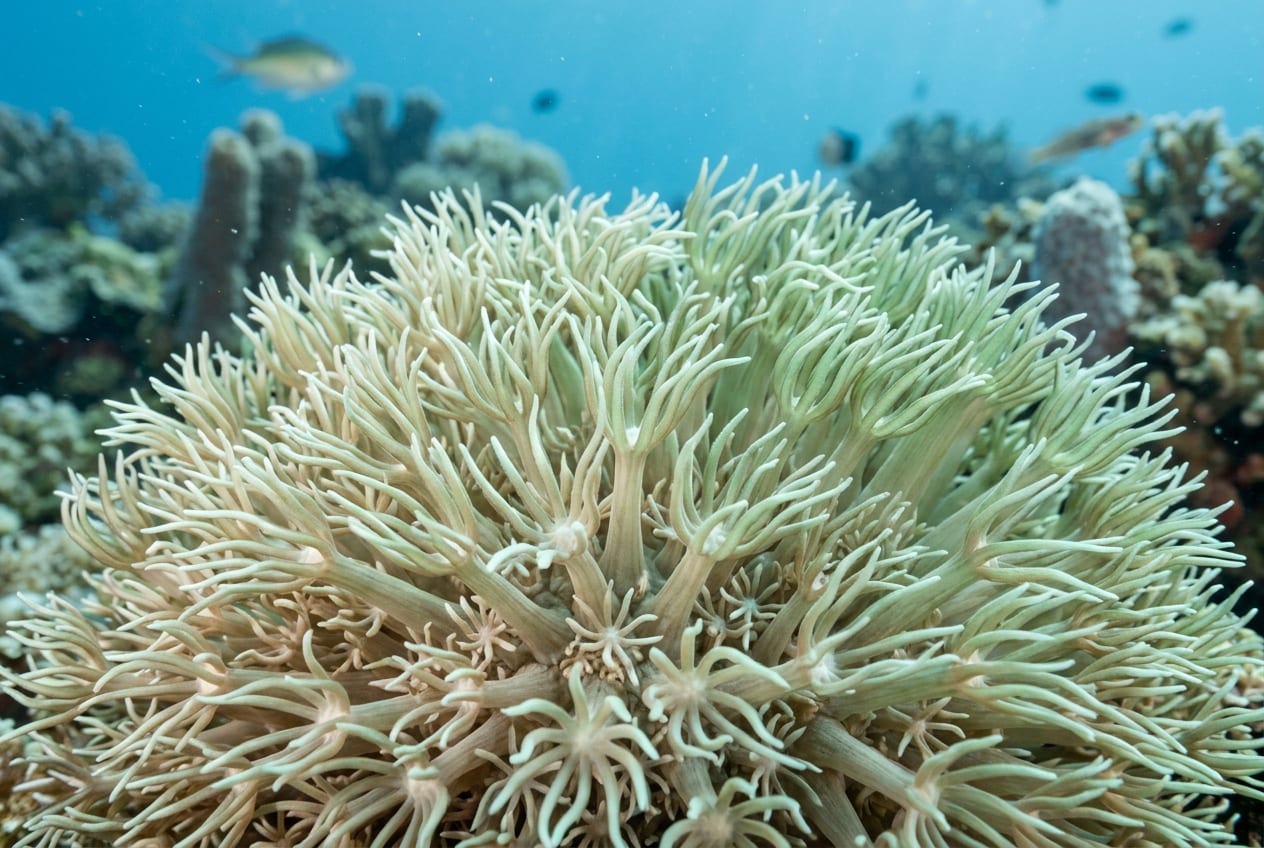
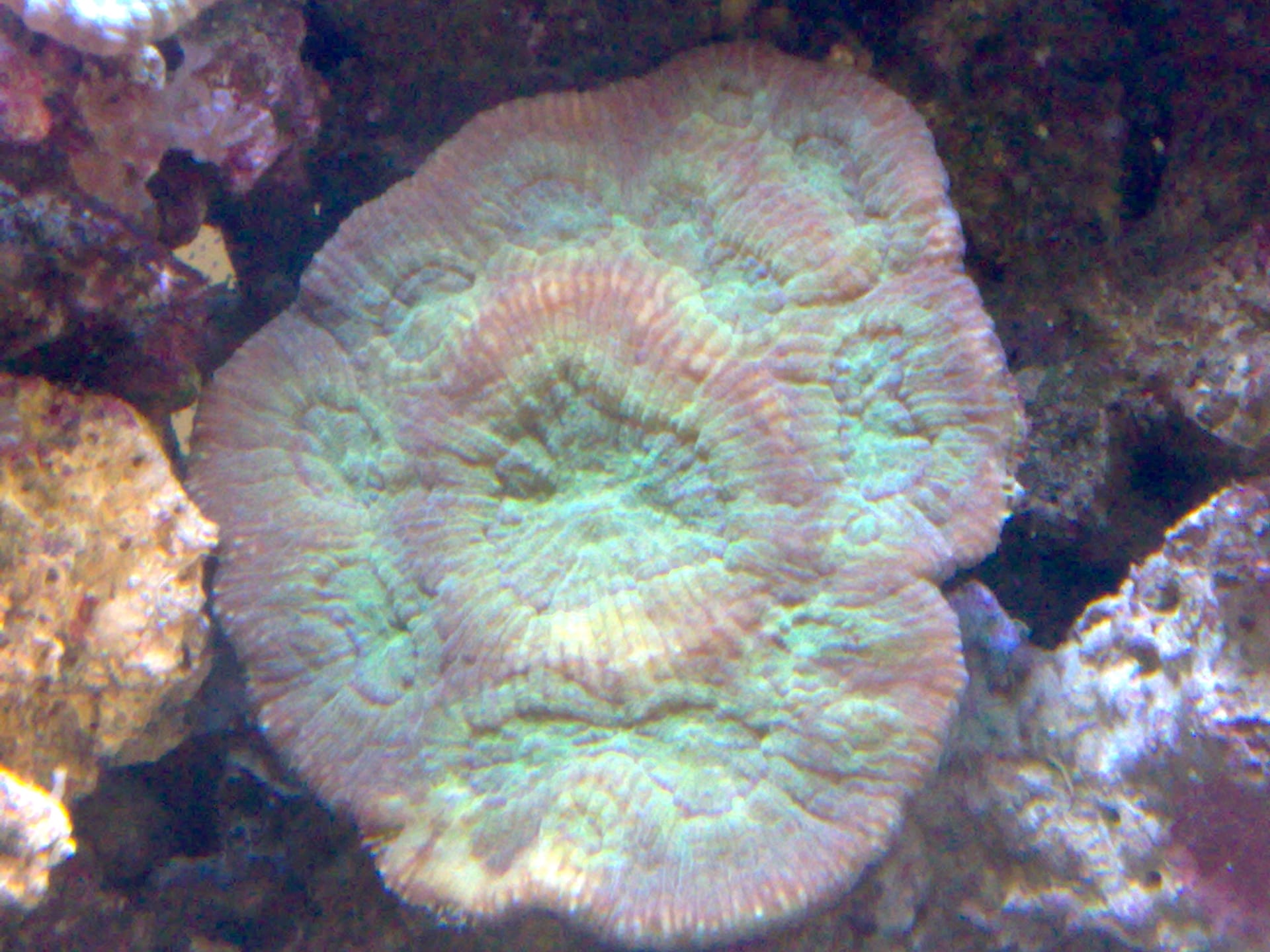
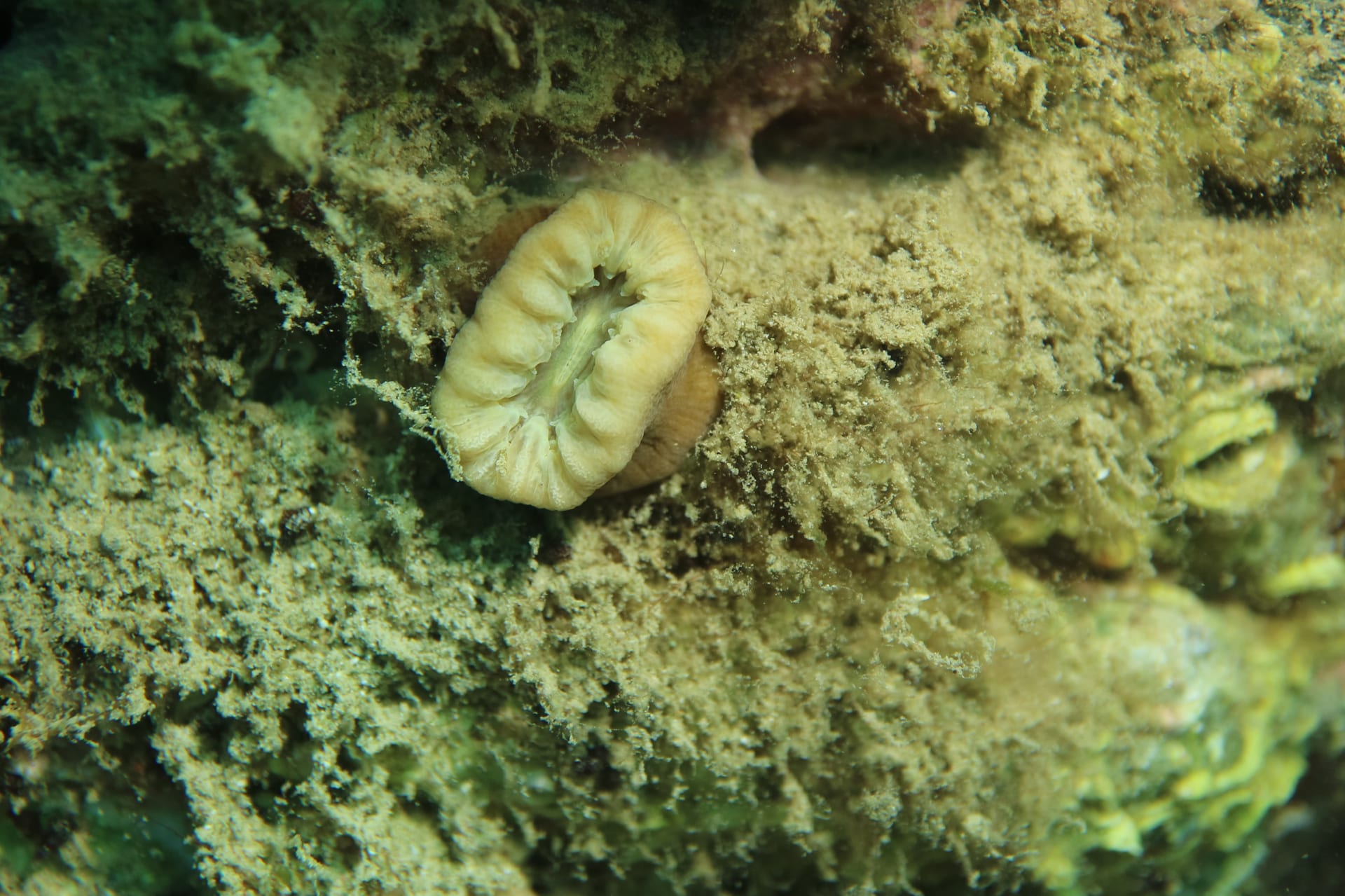
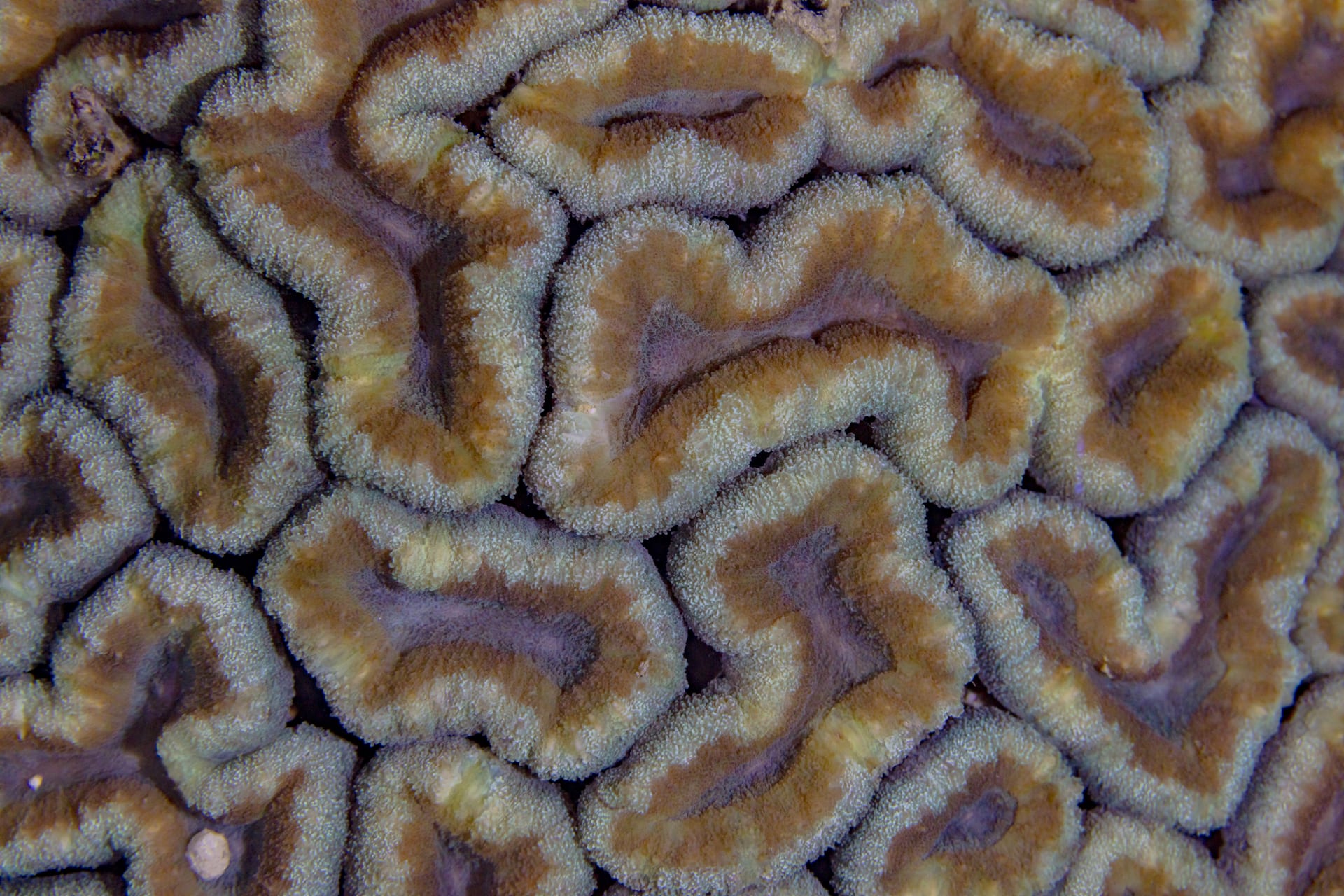
A lobophylliid LPS coral ranging widely across the Indo-Pacific. Fleshy polyps merge into valleys that give a brain-like relief, and green or red fluorescent forms are popular.
Difficulty
Intermediate
Temperature
24〜27℃
Diet
Photosynthesis via zooxanthellae plus meaty foods
About
Lobophyllia hemprichii is a large-polyp stony coral of the family Lobophylliidae distributed widely across the Indo-West Pacific, from the Red Sea and East Africa to Australia, Japan and Fiji. Ehrenberg named it for Wilhelm Hemprich, the naturalist who with him was among the first to study Red Sea marine life. Septa run continuously to form valleys and the fleshy polyps fold over one another, creating a brain-like relief. Colour ranges through green, red and brown, and strongly fluorescent specimens are favoured for display. It prefers moderate lighting and low to moderate flow; direct current damages the fleshy tissue and should be avoided. It extends feeding tentacles at night, so offering minced fish or shrimp then promotes growth. As a scleractinian it falls under CITES Appendix II.
Source: Wikipedia (CC BY-SA 4.0)
Temperature & humidity for the Lobed Cactus Coral
The ideal temperature for the Lobed Cactus Coral is 24〜27℃.
Basic Info
Origin
Indo-West Pacific (Red Sea, East Africa, Madagascar, Maldives, Australia, Japan, Fiji and elsewhere)
Temperature
24〜27℃
Diet
Photosynthesis via zooxanthellae plus meaty foods
Care Guide
Lighting
Moderate LED lighting; acclimate gradually because strong light causes fading and tissue recession.
Care Specifications
- Carbonate (KH)
- 7–12 dKH
- Water Temp.
- 24–27℃
- Specific Gravity
- 1.023–1.025
- Salinity
- 33–35 ppt
- Calcium (Ca)
- 400–450 ppm
- Magnesium (Mg)
- 1300–1400 ppm
LPSLight: Medium (PAR 50-150)Flow: LowPlacement: Bottom
Sources: Wikipedia: Reef aquarium (water parameters) / AlgaeBarn: A Quick Guide to LPS and SPS / AlgaeBarn: LPS-Dominant Systems
References & Sources
Edited & verified by: BreederDirect editorial team
The taxonomic, regulatory, and husbandry data on this page are compiled and verified against the authoritative primary sources below.
Taxonomy & Authority
Accepted name: Lobophyllia hemprichii (Ehrenberg, 1834)
Synonyms: Caryophyllia cristata, Favites hemprichii, Lithodendron cristatum, Lobophyllia aspera, Lobophyllia costata var. brueggemanni, Lobophyllia costata var. cristata, Lobophyllia costata var. cytherea, Lobophyllia cristata
Authority databases: WoRMS
Nomenclature follows global taxonomic authority databases.
Regulations & Conservation Status
CITES Appendix II
Scleractinia (Lobophyllia hemprichii, Lobophylliidae). CITES Appendix II.
Sources: DOC NZ / CITES-listed corals (Scleractinia spp. = App. II)
Regulations may change. Always verify the latest information with the relevant authorities.
Lobed Cactus Coral Listings
Loading latest listingsFind listings for this species