AI-generated image
Alveopora Japonica
AdvancedAlveopora japonica
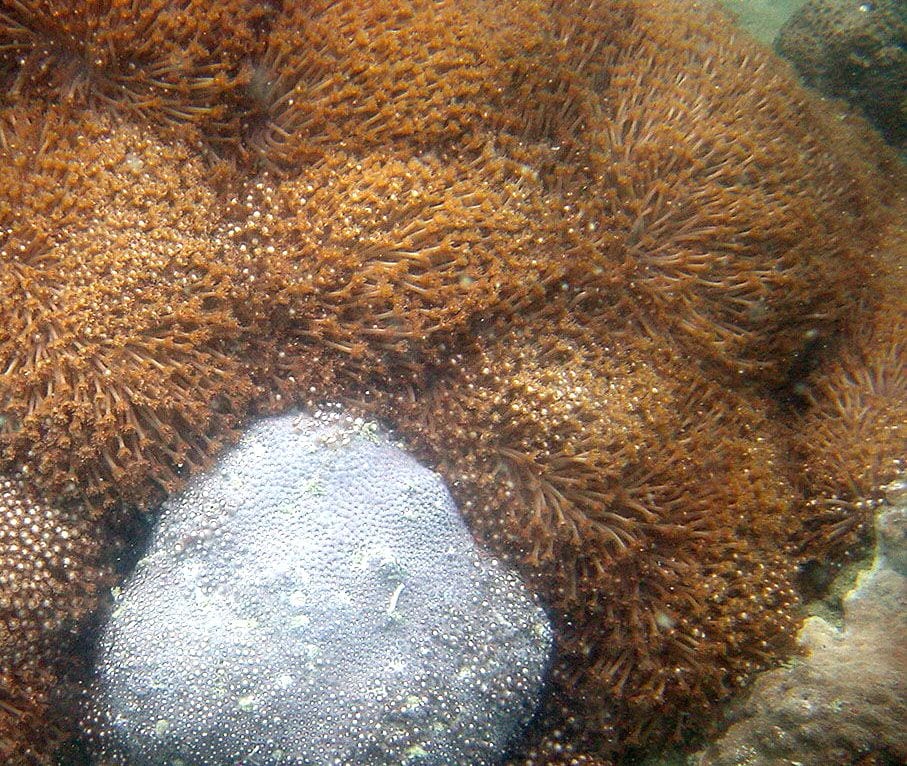
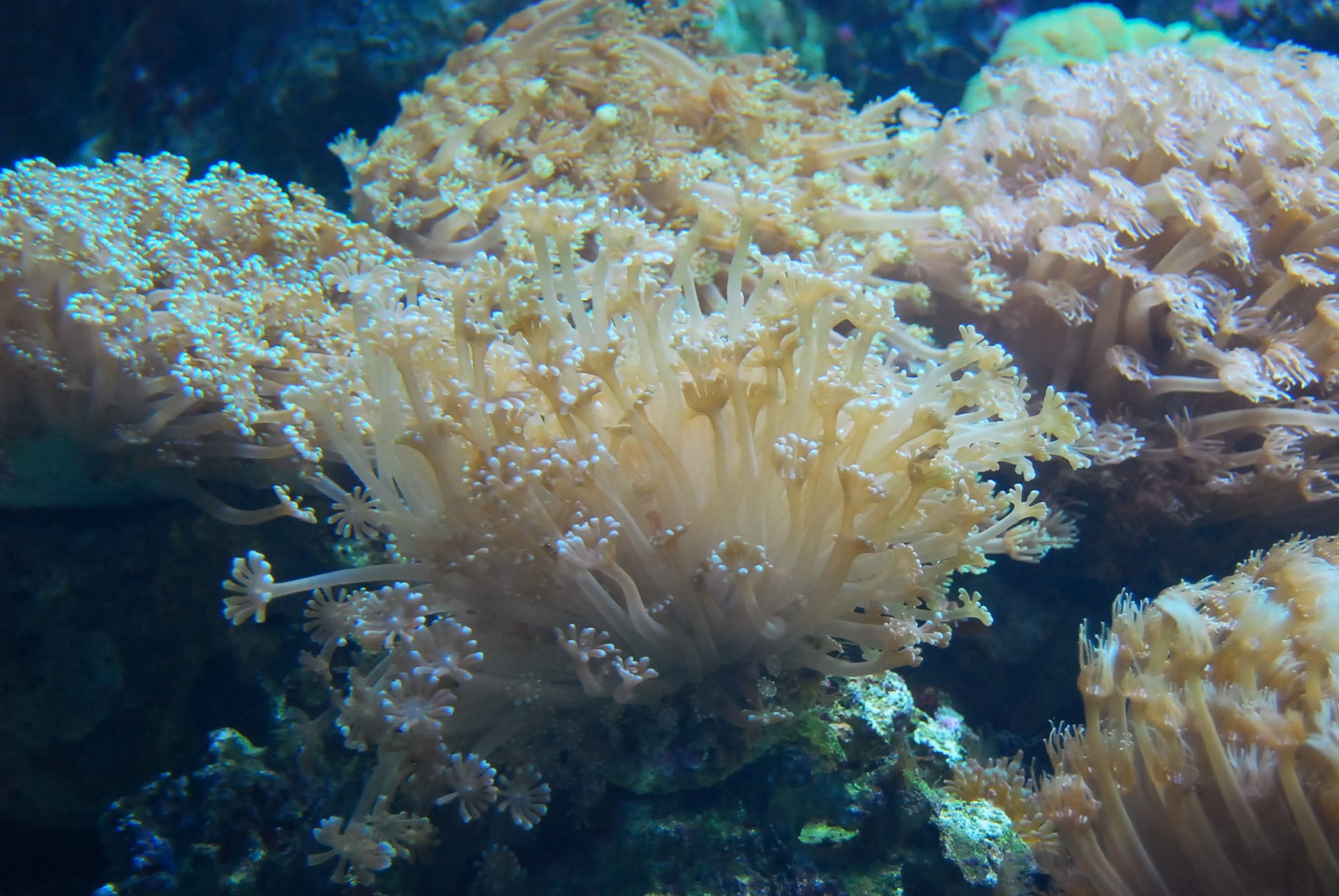
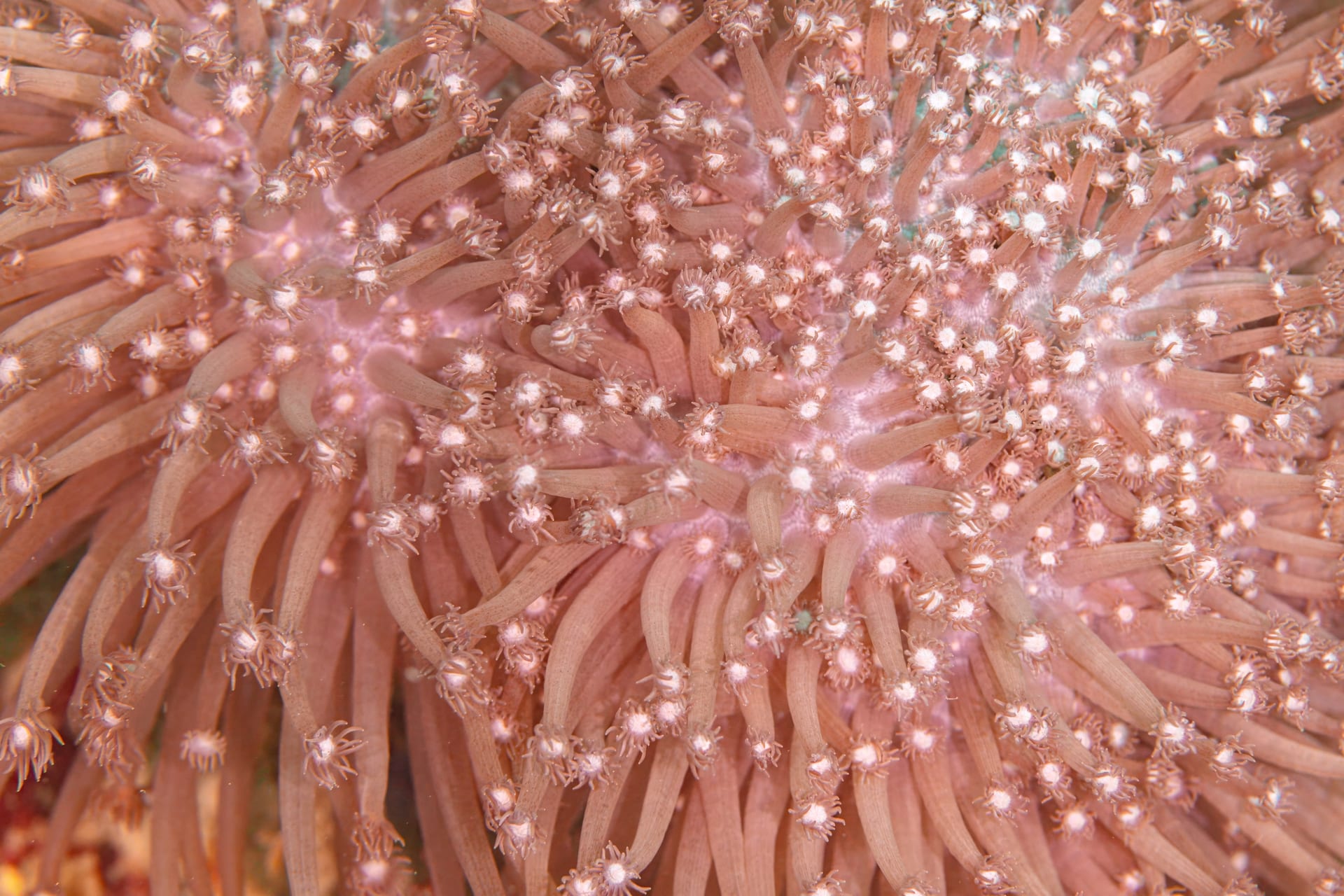
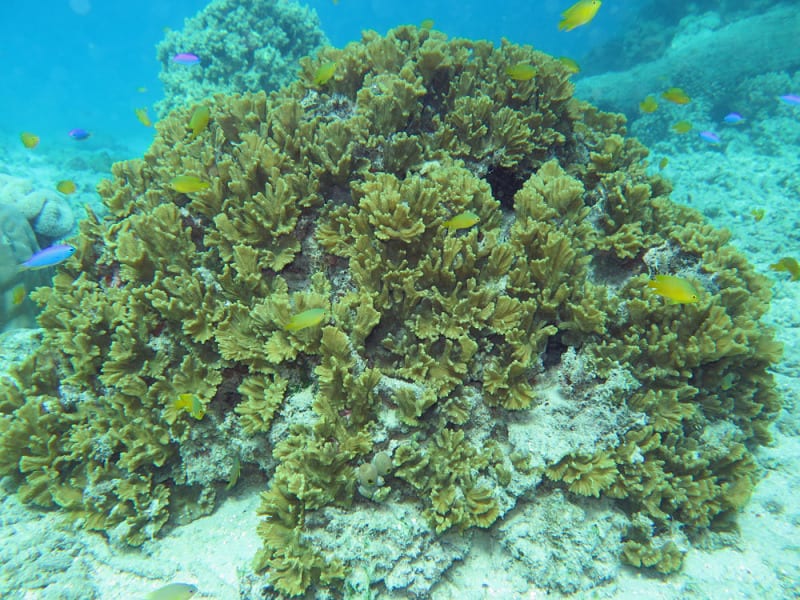
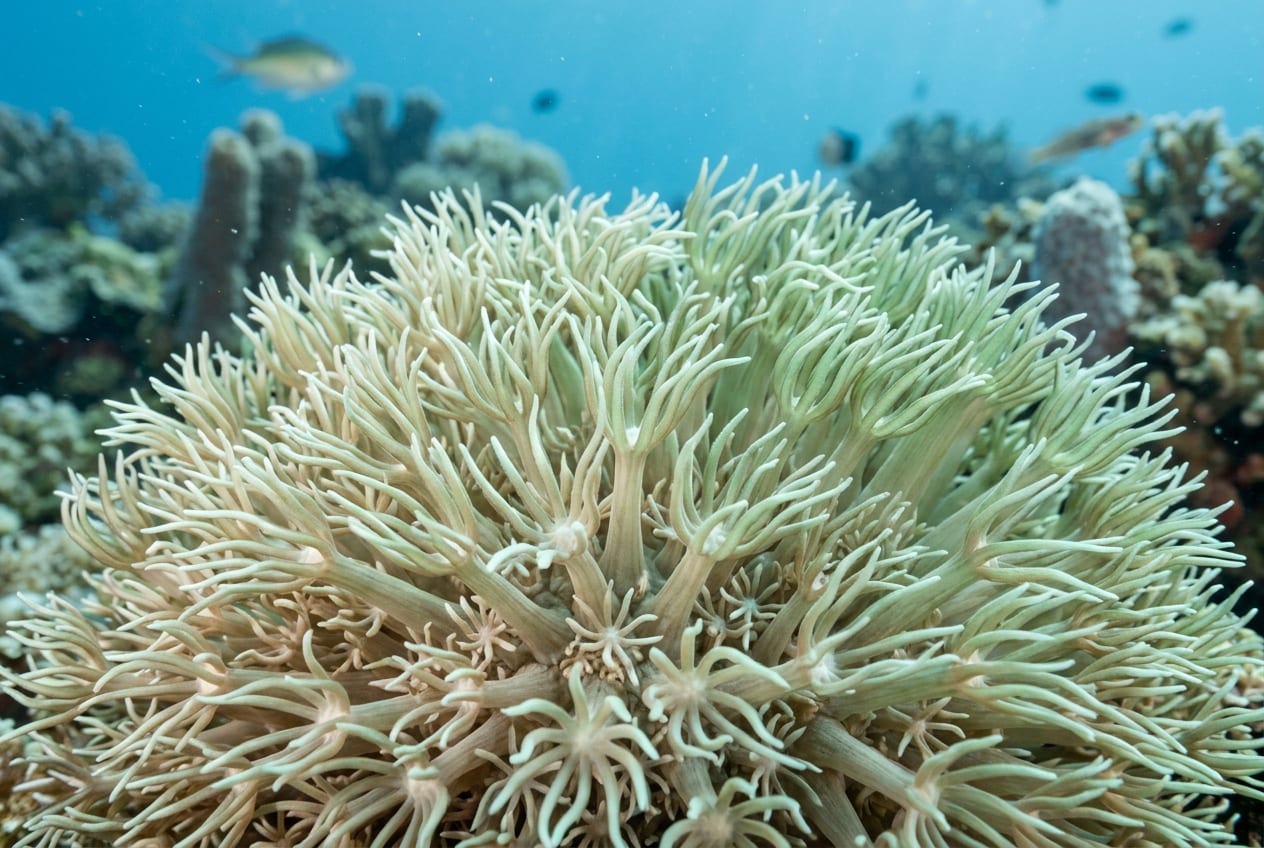
An Alveopora described by Motoki Eguchi in 1965 from Japanese material. Each polyp has twelve tentacles, and when they open the skeleton is hidden. Most records come from temperate Japanese and Korean waters.
Difficulty
Advanced
Temperature
24〜26℃
Size
Colonies to around 10-20 cm across
Diet
Nutrition from symbiotic zooxanthellae, supplemented with fine zooplankton foods and phytoplankton.
About
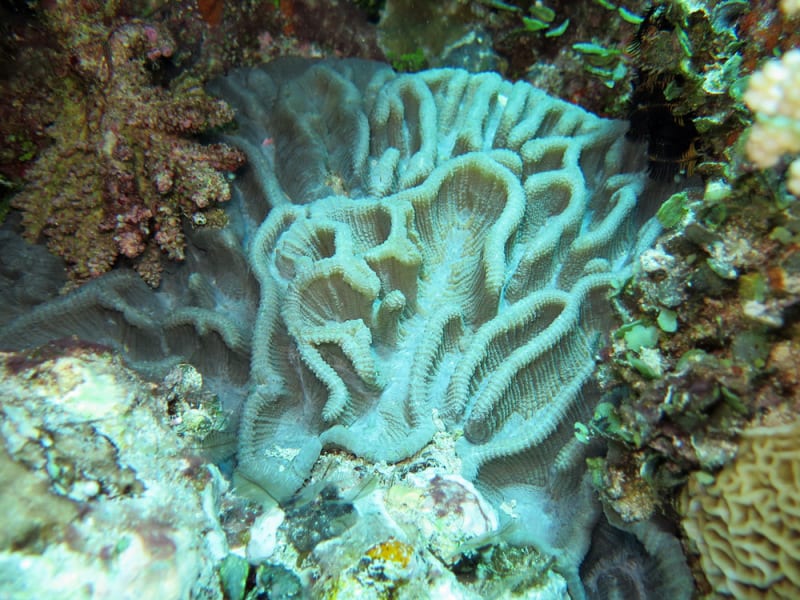
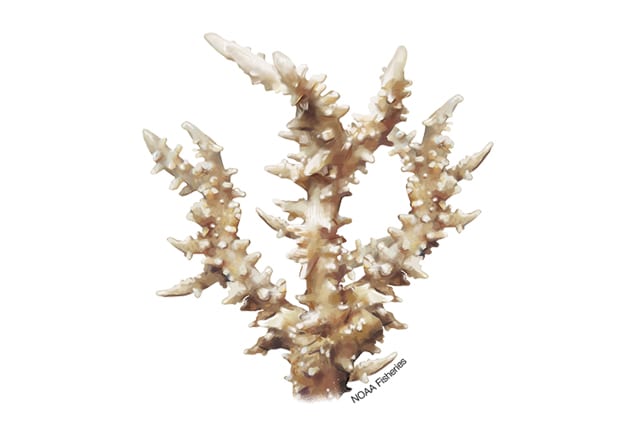
Alveopora japonica was described by Motoki Eguchi in 1965 from Japanese material. WoRMS records it from Japan and the western North Pacific, and the specimen records aggregated by GBIF are dominated by Japan and Korea, so unlike most of the genus this coral is known mainly from temperate rocky coasts rather than tropical reefs. Colonies are small and grow as encrusting mounds, with a porous skeleton built from slender rods arranged in a lattice. Each polyp carries twelve tentacles, and when fully extended they hide the skeleton almost completely. LiveAquaria rates Alveopora as moderate in care level, gives moderate lighting and low flow, and recommends placement on the bottom. As with Goniopora, feeding is regarded as the key to keeping it long term. As a scleractinian it is on CITES Appendix II.
Source: Wikipedia (CC BY-SA 4.0)
Size of the Alveopora Japonica
The Alveopora Japonica grows to Colonies to around 10-20 cm across.
Temperature & humidity for the Alveopora Japonica
The ideal temperature for the Alveopora Japonica is 24〜26℃.
Basic Info
Origin
Japan (western North Pacific) and the coasts of Korea
Size
Colonies to around 10-20 cm across
Temperature
24〜26℃
Diet
Care Specifications
- Carbonate (KH)
- 8–12 dKH
- Water Temp.
- 24–26℃
- Specific Gravity
- 1.023–1.025
- Salinity
- 33–35 ppt
- Calcium (Ca)
- 380–450 ppm
- Magnesium (Mg)
- 1200–1400 ppm
LPSLight: Medium (PAR 50-150)Flow: LowPlacement: Bottom
Sources: LiveAquaria / AlgaeBarn: Calcium Supplementation / WoRMS (World Register of Marine Species) /
References & Sources
Edited & verified by: BreederDirect editorial team
The taxonomic, regulatory, and husbandry data on this page are compiled and verified against the authoritative primary sources below.
Taxonomy & Authority
Accepted name: Alveopora japonica Eguchi, 1965
Synonyms: Alveopora japonica var. magna Eguchi, 1973
Authority databases: WoRMS
Nomenclature follows global taxonomic authority databases.
Regulations & Conservation Status
CITES Appendix II
Domestic law: Collecting in Japanese waters is governed by each prefecture's fisheries adjustment regulations, which differ by prefecture. Okinawa Prefecture's regulations ban the collection of reef-building corals, including stony corals (Scleractinia), organ-pipe corals (Tubiporidae) and blue coral (Helioporacea); this covers corals naturally attached to quays or ropes, broken fragments lying on the seabed, and skeletons. Possessing or selling illegally collected corals is also banned. Cultured corals are exempt, and the prefecture advises buyers to confirm that a coral is cultured, on an artificial base or tagged.
Sources: CITES Appendix II (Scleractinia spp. listed as an order)
Regulations may change. Always verify the latest information with the relevant authorities.
Alveopora Japonica Listings
Loading latest listingsFind listings for this species