Source: Wikimedia Commons
Goniopora Columna
AdvancedGoniopora columna
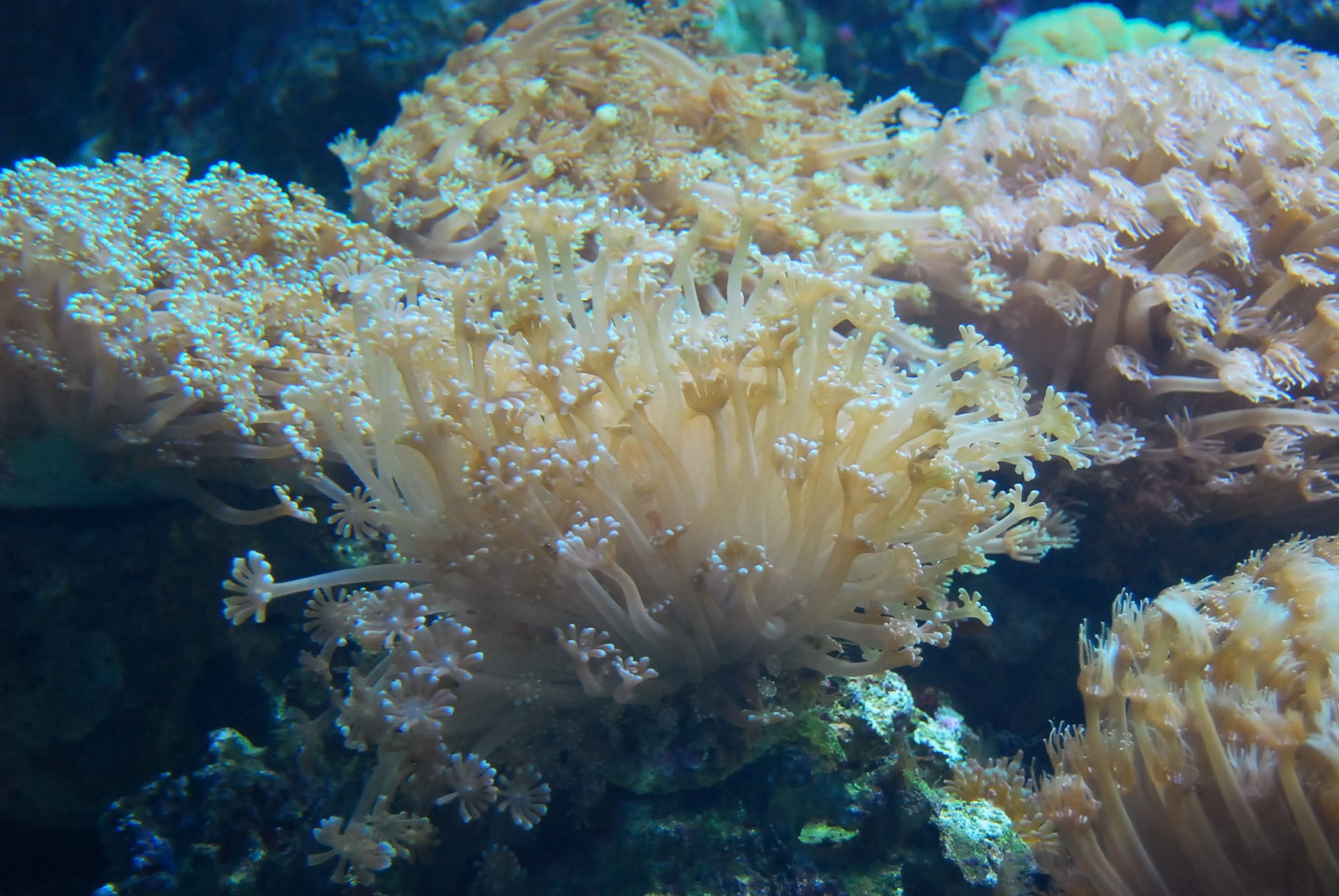
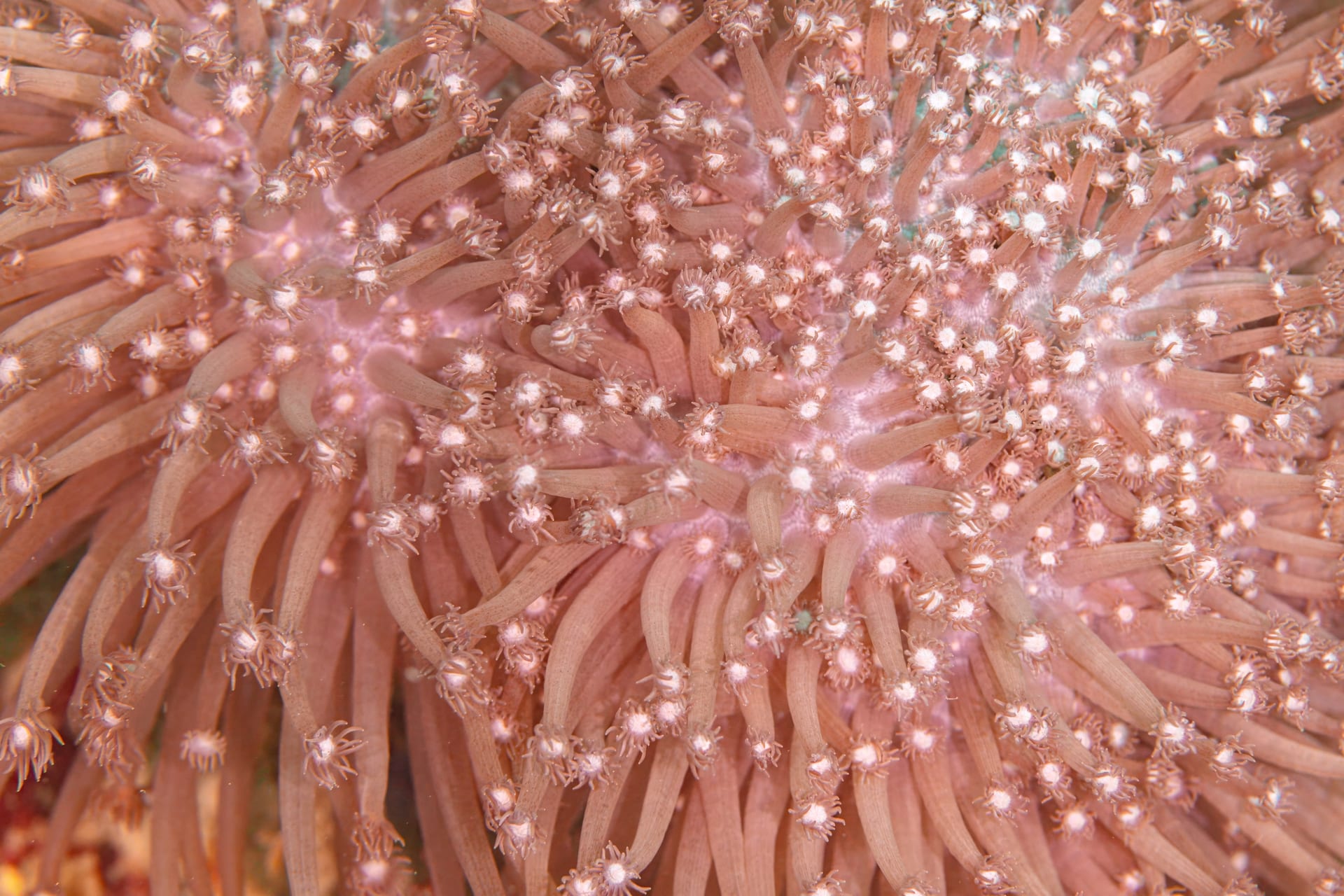
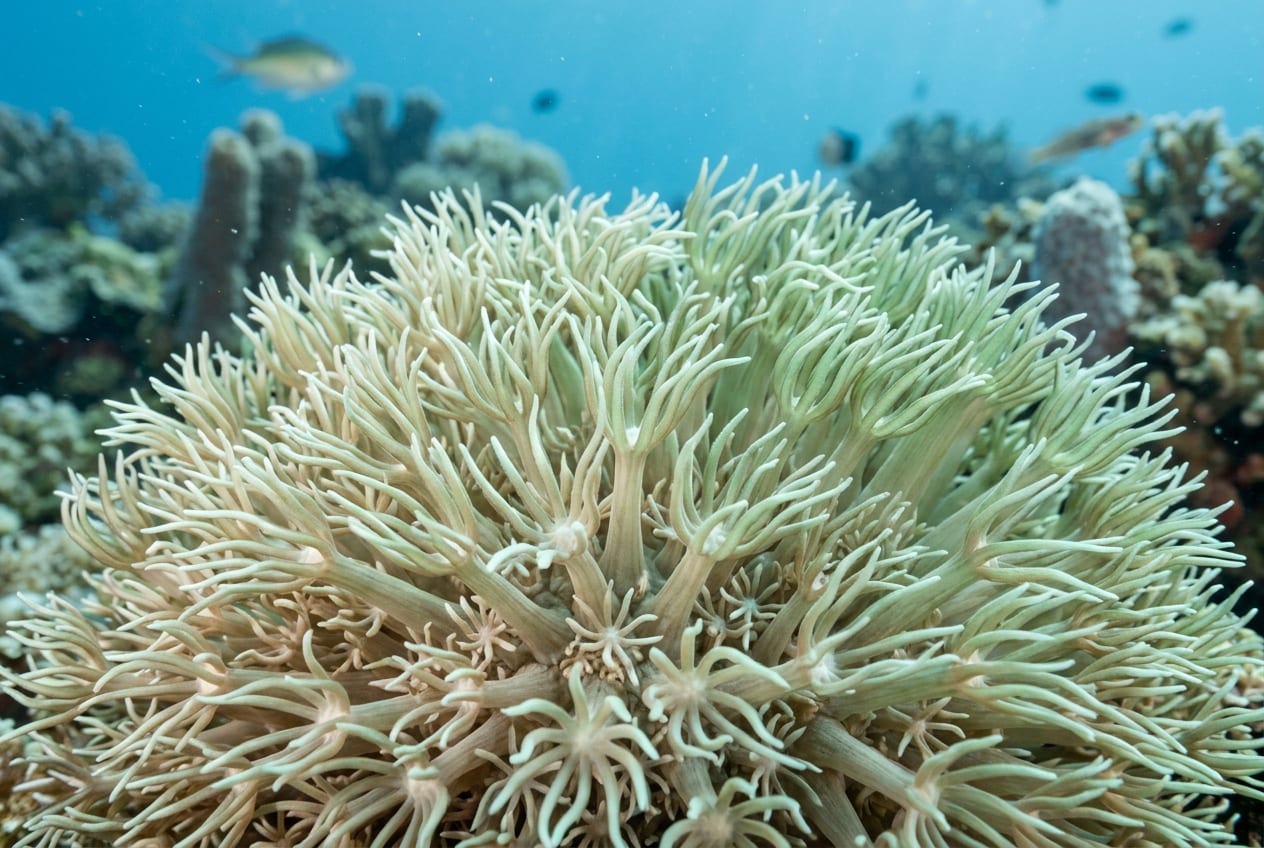
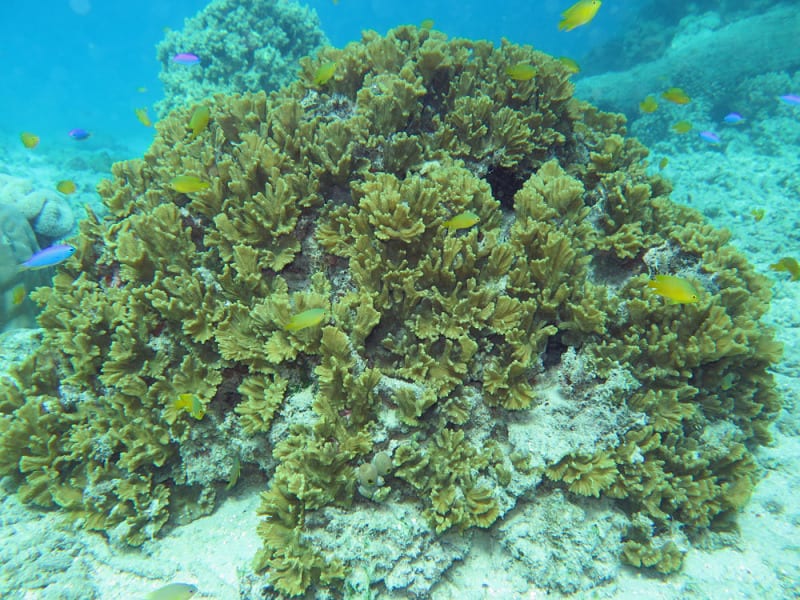
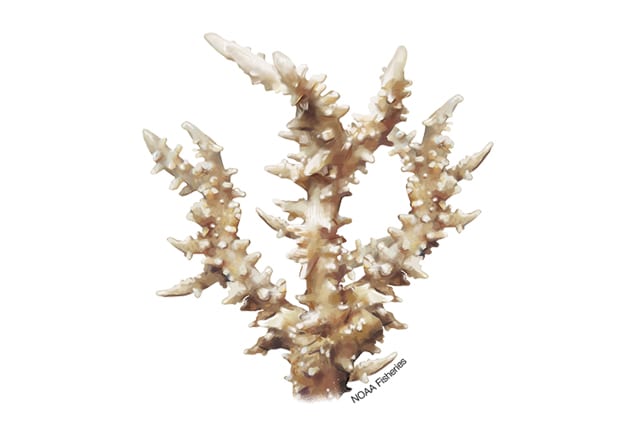
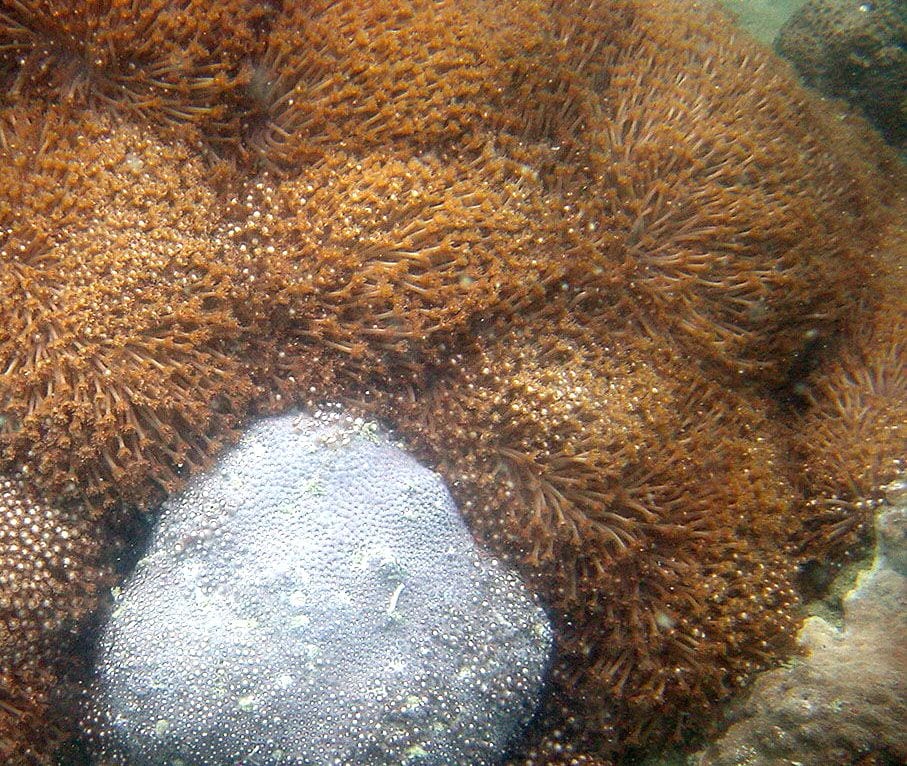
A poritid stony coral forming columnar mounds. The calices are small, 3 to 5 mm across, and the extended polyps reach up to 10 cm. Pale oral discs separate it from its congeners.
Difficulty
Advanced
Temperature
24〜26℃
Size
Polyps up to 10 cm long; colonies to several tens of cm
Diet
Nutrition from symbiotic zooxanthellae, plus regular feeding with fine zooplankton foods, as it is a strongly planktivorous coral.
About
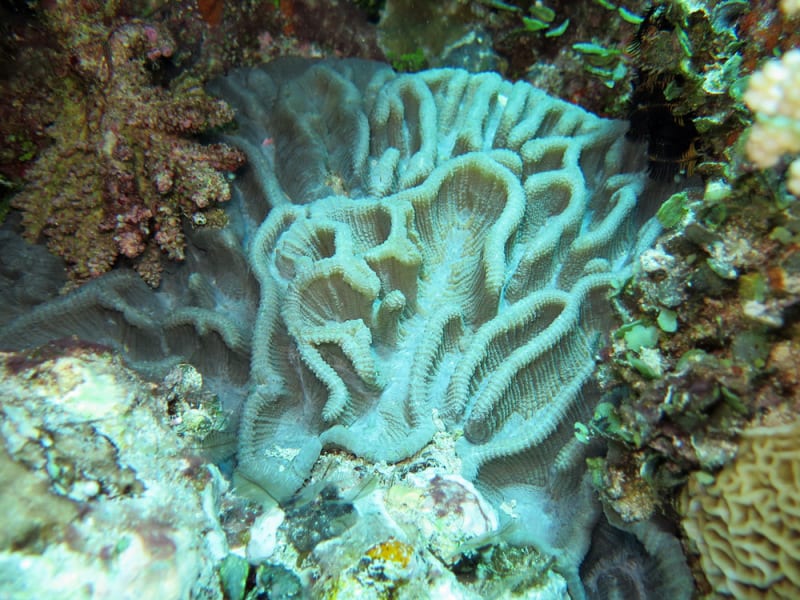
Goniopora columna is a poritid stony coral native to the western and eastern Indian Ocean and the western Pacific, including the Red Sea, the Gulf of Aden and the Persian Gulf. It is recorded from Australia, Japan, the East China Sea and Southeast Asia as well as from the Maldives, Mauritius, Madagascar, Palau, Fiji and many other countries and seas. It occurs from 2 to 15 m in sheltered, sandy or lagoonal settings and tolerates turbid water. Colonies form hemispherical or irregular columnar mounds with dead basal parts, which gives them a neat outline. The calices are small and rounded, 3 to 5 mm across, with a uniform bundle of tentacles, and the extended polyps reach up to 10 cm. Colonies are yellow, brown or green, and the pale oral disc separates this species from G. stokesi and G. lobata. It is moderately susceptible to bleaching, though turbidity is thought to offer some protection. The IUCN assessed it as Least Concern in 2024, and as a scleractinian it is on CITES Appendix II.
Source: Wikipedia (CC BY-SA 4.0)
Size of the Goniopora Columna
The Goniopora Columna grows to Polyps up to 10 cm long; colonies to several tens of cm.
Temperature & humidity for the Goniopora Columna
The ideal temperature for the Goniopora Columna is 24〜26℃.
Basic Info
Origin
Red Sea, Gulf of Aden and Persian Gulf through the Indian Ocean to Southeast Asia, Japan, the East China Sea and Australia
Size
Polyps up to 10 cm long; colonies to several tens of cm
Care Specifications
- Carbonate (KH)
- 8–12 dKH
- Water Temp.
- 24–26℃
- Specific Gravity
- 1.023–1.025
- Salinity
- 33–35 ppt
- Calcium (Ca)
- 380–450 ppm
- Magnesium (Mg)
- 1200–1400 ppm
LPSLight: Medium (PAR 50-150)Flow: MediumPlacement: Bottom
Sources: LiveAquaria / AlgaeBarn: Calcium Supplementation / WoRMS (World Register of Marine Species)
References & Sources
Edited & verified by: BreederDirect editorial team
The taxonomic, regulatory, and husbandry data on this page are compiled and verified against the authoritative primary sources below.
Taxonomy & Authority
Accepted name: Goniopora columna Dana, 1846
Synonyms: Goniopora undalata Nemenzo, 1955
Authority databases: WoRMS
Nomenclature follows global taxonomic authority databases.
Regulations & Conservation Status
CITES Appendix IIIUCN LC · Least Concern
Sources: CITES Appendix II (Scleractinia spp. listed as an order) / IUCN Red List
Regulations may change. Always verify the latest information with the relevant authorities.
Goniopora Columna Listings
Loading latest listingsFind listings for this species