Source: Wikimedia Commons
Pectinia Paeonia
AdvancedPectinia paeonia
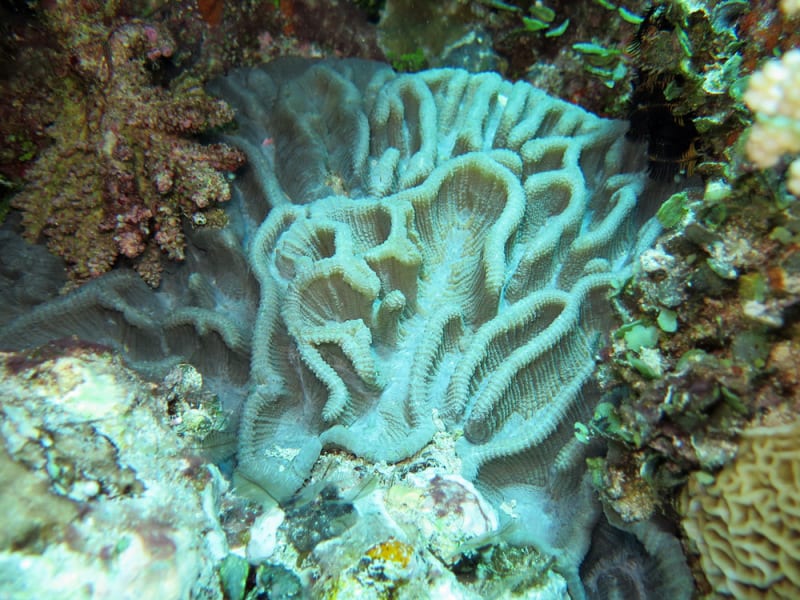
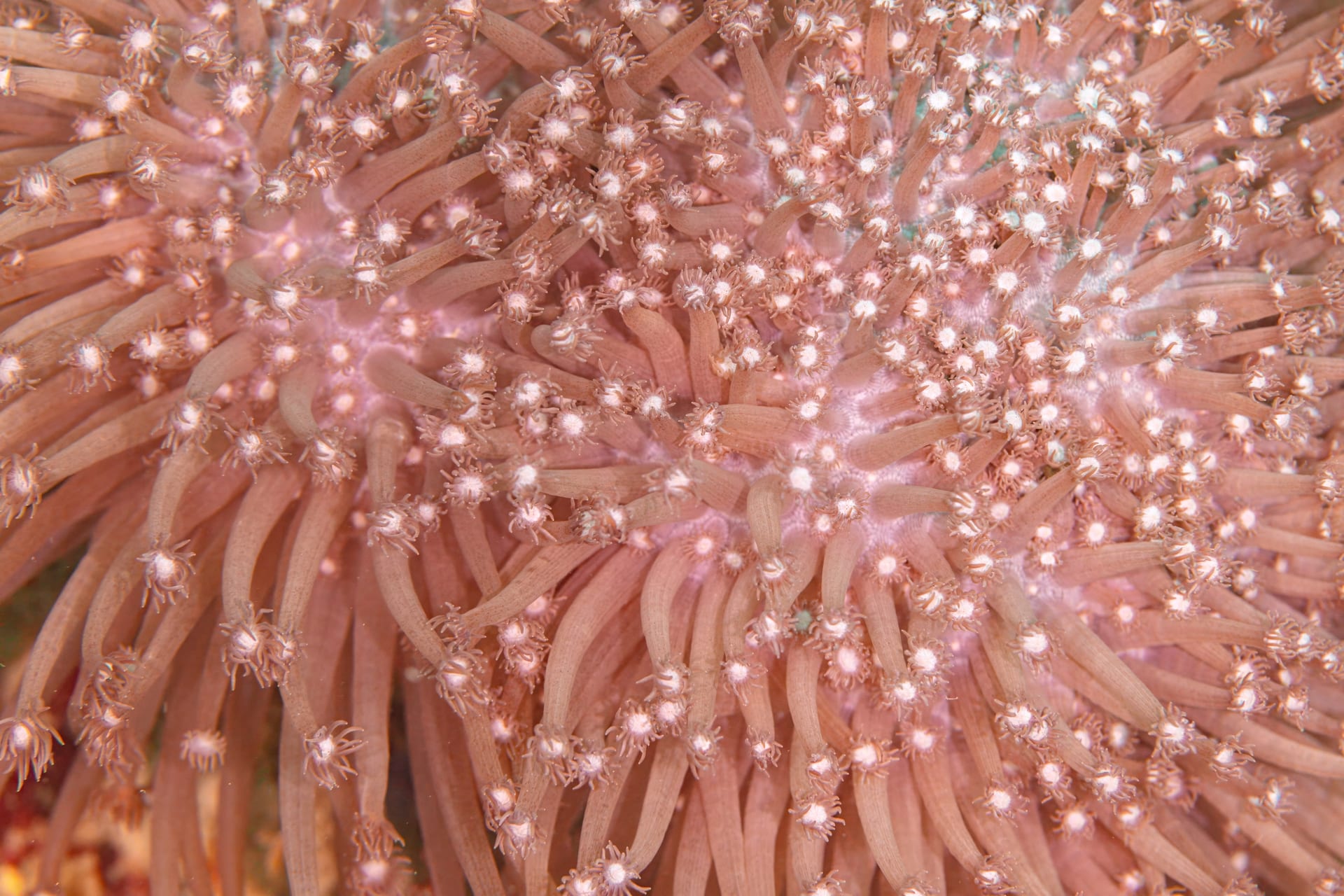
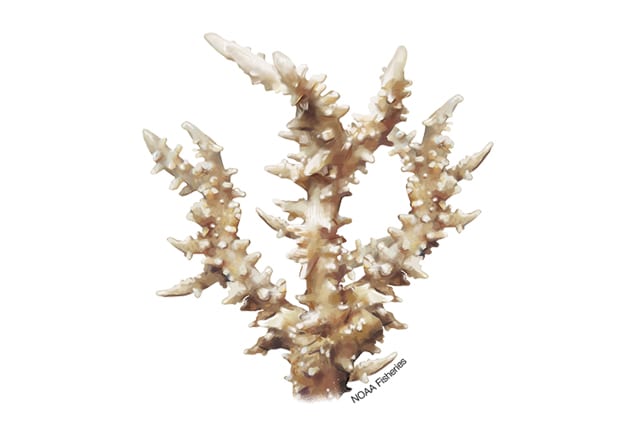
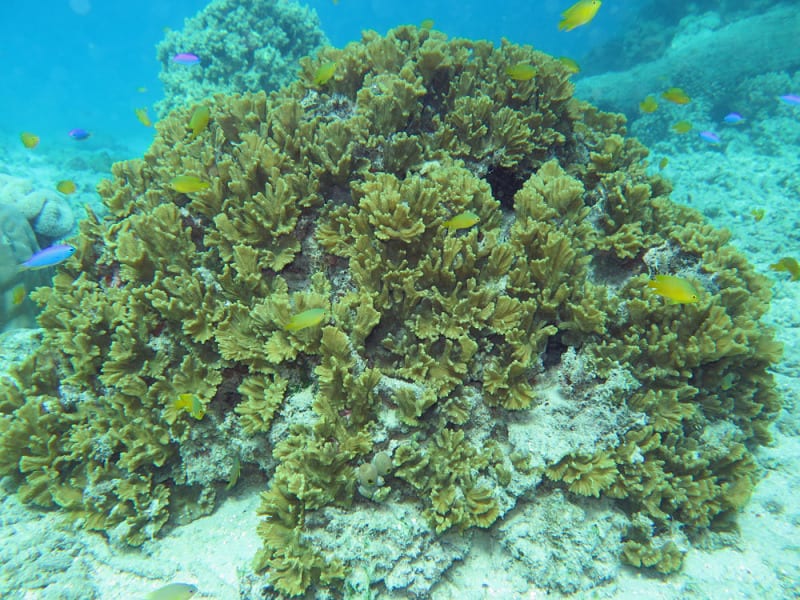
A merulinid reef coral whose thin walls rise irregularly and end in sharp points. Called the hibiscus coral in English, its valleys are deeper and more intricate than those of the lettuce coral, and it is demanding to keep.
Difficulty
Advanced
Temperature
24〜26℃
Size
Colonies to several tens of cm
Diet
Mainly nutrition from symbiotic zooxanthellae, supplemented with fine to small particulate coral foods offered at night.
About
Pectinia paeonia is a reef-building merulinid coral known in English as the hibiscus coral. The distribution records held by WoRMS cover Chagos, the Ashmore and Cartier Islands, Australia, Papua New Guinea and Fiji, placing it in the tropical Indo-Pacific. The skeleton consists of thin walls that rise irregularly and end in sharp points; compared with the lettuce coral of the same genus, the valleys are deeper and more intricate and the walls tend to radiate outwards. Colonies are usually green or brown, sometimes with paler ridge tips. LiveAquaria rates the genus as difficult: it is intolerant of sudden changes in water chemistry and of rising nutrients, and suits tanks that hold a stable environment under moderate light and moderate flow for long periods. The thin skeleton chips easily, and tissue can recede from a broken edge. As a scleractinian it is on CITES Appendix II.
Source: Wikipedia (CC BY-SA 4.0)
Temperature & humidity for the Pectinia Paeonia
The ideal temperature for the Pectinia Paeonia is 24〜26℃.
Basic Info
Origin
Indo-Pacific, including Chagos, the Ashmore and Cartier Islands, Australia, Papua New Guinea and Fiji
Size
Colonies to several tens of cm
Temperature
24〜26℃
Diet
Mainly nutrition from symbiotic zooxanthellae, supplemented with fine to small particulate coral foods offered at night.
Care Guide
Care Specifications
- Carbonate (KH)
- 8–12 dKH
- Water Temp.
- 24–26℃
- Specific Gravity
- 1.023–1.025
- Salinity
- 33–35 ppt
- Calcium (Ca)
- 380–450 ppm
- Magnesium (Mg)
- 1200–1400 ppm
LPSLight: Medium (PAR 50-150)Flow: MediumPlacement: Middle
Sources: LiveAquaria / AlgaeBarn: Calcium Supplementation / WoRMS (World Register of Marine Species)
References & Sources
Edited & verified by: BreederDirect editorial team
The taxonomic, regulatory, and husbandry data on this page are compiled and verified against the authoritative primary sources below.
Taxonomy & Authority
Accepted name: Pectinia paeonia (Dana, 1846)
Synonyms: Tridacophyllia paeonia Dana, 1846, Pectinia laciniata (Milne Edwards & Haime, 1849)
Authority databases: WoRMS
Nomenclature follows global taxonomic authority databases.
Regulations & Conservation Status
CITES Appendix II
Sources: CITES Appendix II (Scleractinia spp. listed as an order)
Regulations may change. Always verify the latest information with the relevant authorities.
Pectinia Paeonia Listings
Loading latest listingsFind listings for this species