Coral Sweeper Tentacles and Aggression Guide | Placement Strategies to Prevent LPS and Soft Coral Territorial Wars
An explanation of physical territorial attacks by coral sweeper tentacles. Includes practical guidance on aggression rankings for LPS, Zoanthids, and soft corals, safe separation distance guidelines, layout design to prevent sweeper tentacle wars, and emergency treatment measures.
Key Takeaways
An explanation of physical territorial attacks by coral sweeper tentacles. Includes practical guidance on aggression rankings for LPS, Zoanthids, and soft corals, safe separation distance guidelines, layout design to prevent sweeper tentacle wars, and emergency treatment measures.
When keeping a mixed reef (a reef tank with multiple coral species living together), you may suddenly encounter troubles such as neighboring corals beginning to bleach or polyps retracting without direct contact. One cause is physical attack by sweeper tentacles (sweeper tentacle). By understanding the "physical attack" aspect, distinct from chemical competition (allelopathy), you can prevent layout failures and maintain all your corals in good health.
✍️
BreederDirect Editorial
The BreederDirect editorial team specializes in care information for animals, covering veterinary care and breeding to deliver beginner-friendly guides.
Find Coral on BreederDirect
Buy directly from verified breeders
Browse Related Listings
Find Coral listings related to this article on BreederDirect. Buy directly from verified breeders.
Related Tools
Related Articles
Browse by Category
🪸Coral
🐠Marine Fish
🐟Tropical Fish
🐡Goldfish
🐟Medaka
🦎Reptiles
Share
What Are Sweeper Tentacles?
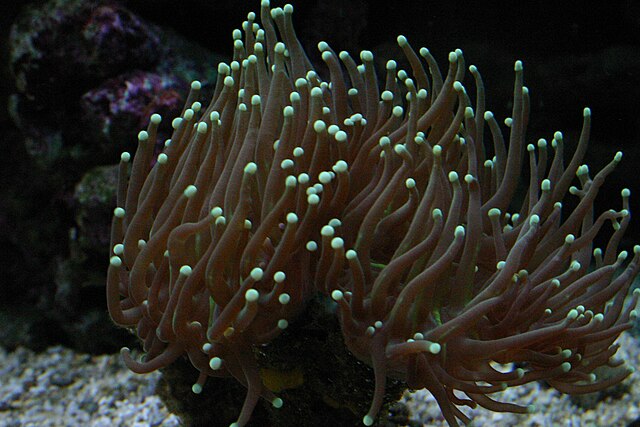
Sweeper tentacles are long, predation and attack-specific tentacles extended by LPS and some soft corals for territorial defense and exclusion of adjacent organisms. Unlike normal feeding tentacles (feeding tentacles), they concentrate powerful nematocysts (nematocyst) at their tips.
They tend to extend during nighttime or when lighting is dimmed, sometimes reaching several to over ten times the length of normal polyp extension. For example, hammer corals typically extend polyps of 3–5 cm, but sweeper tentacles can reach 10–15 cm. When they contact neighboring coral tissue, the nematocyst venom dissolves the tissue, causing localized bleaching and tissue necrosis.
High-Aggression Coral Species
Not all corals possess sweeper tentacles, and aggression varies significantly by species. Familiarize yourself with aggression rankings before placement.
High Aggression (Requires Adequate Separation)
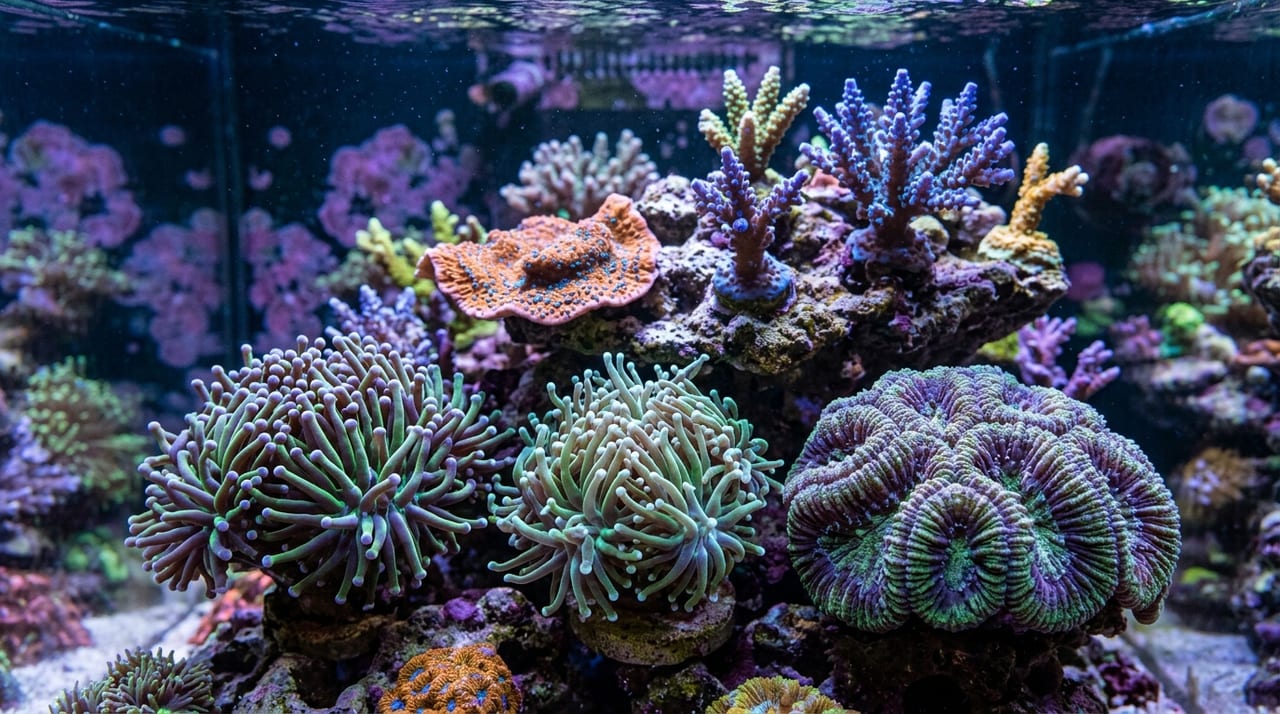
Hammer Coral (Euphyllia ancora) and Frogspawn (E. divisa): Exemplary representatives with long, well-developed sweeper tentacles. They attack even congeners (such as torch corals and hammers). All Euphyllia species require at least 15 cm separation distance.
Trumpet Coral (Caulastrea furcata): Relatively aggressive and may injure adjacent LPS at night.
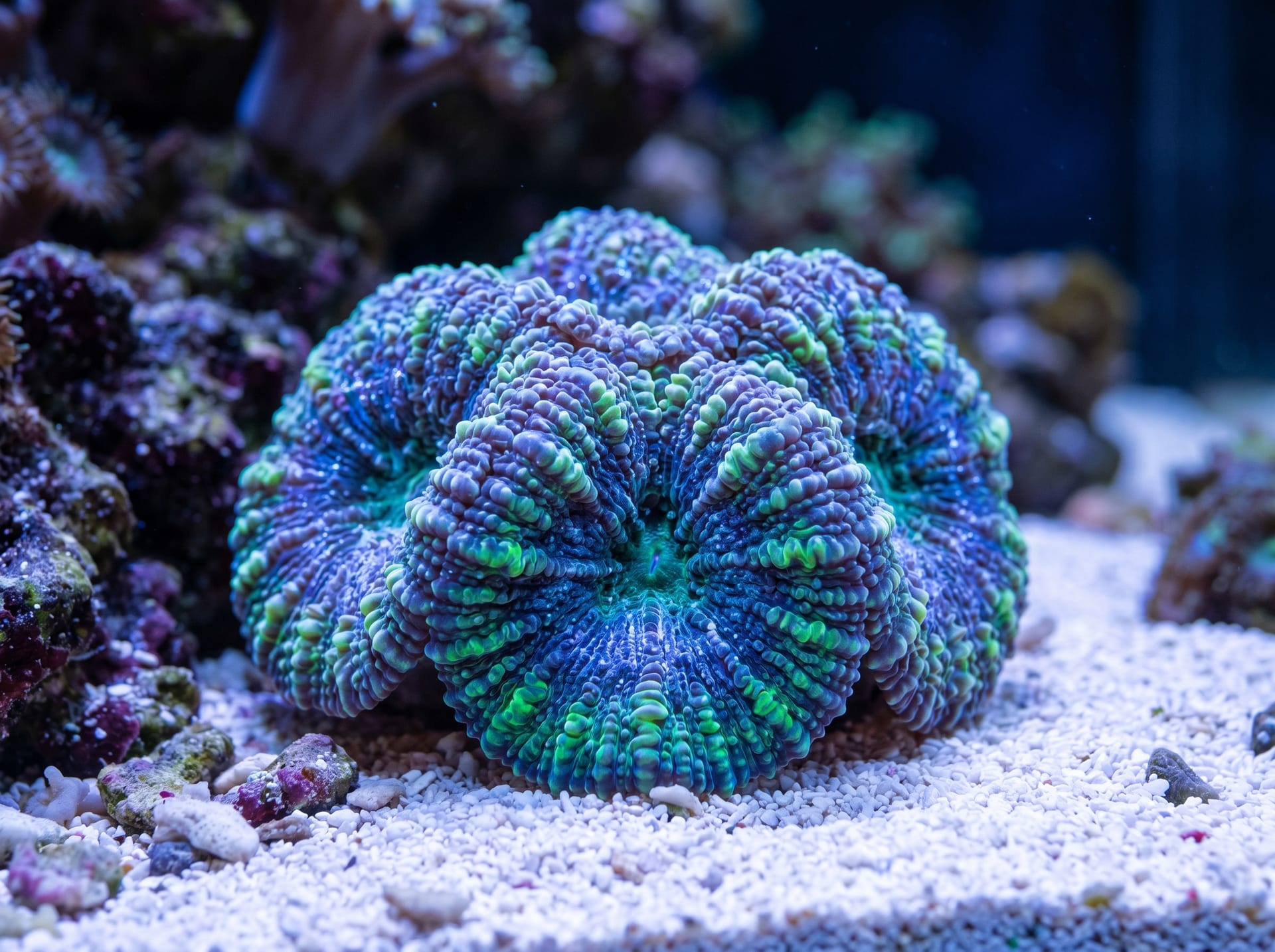
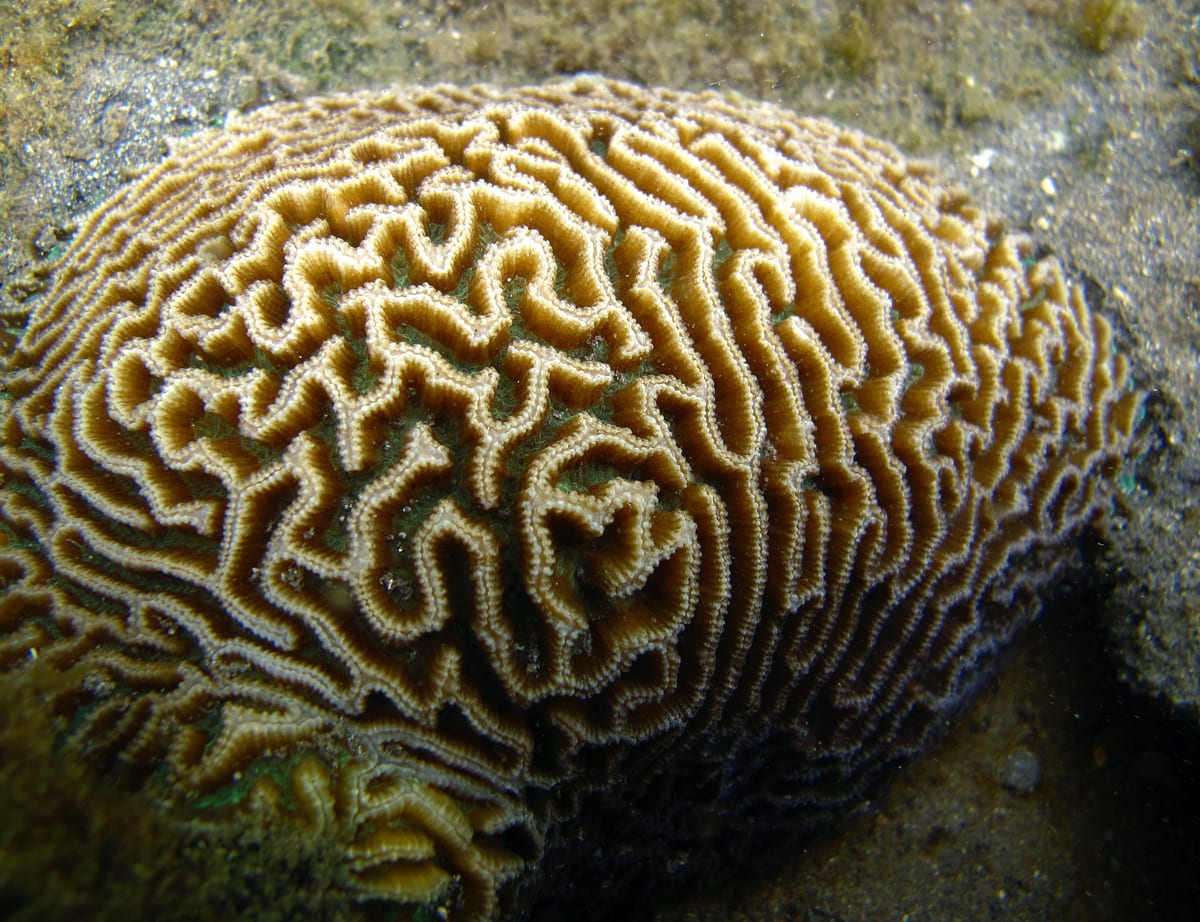
Brain Corals (Platygyra, Lobophyllia, and Trachyphyllia): Use mesenterial filaments (mesenterial filament) to digest and attack organic matter on contact. High aggression through a two-pronged approach using both sweepers and mesenterial filaments.
Zoanthids (Zoanthid): Few direct sweepers, but slowly weaken neighboring corals with chemical toxins (palytoxin).
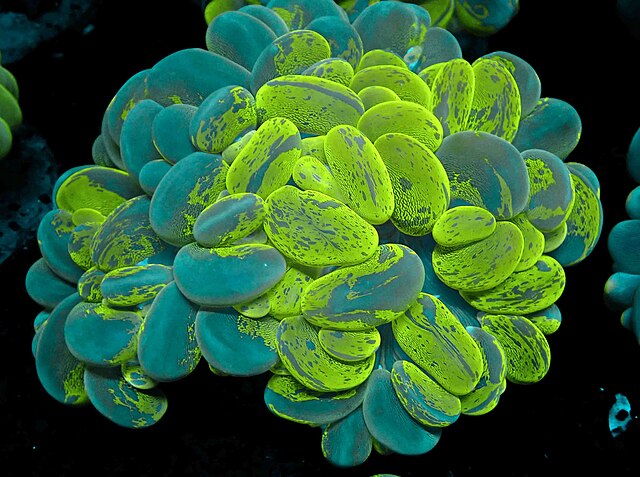
Bubble Coral (Plerogyra sinuosa): Expands significantly at night and may injure tissue when contacting neighbors.
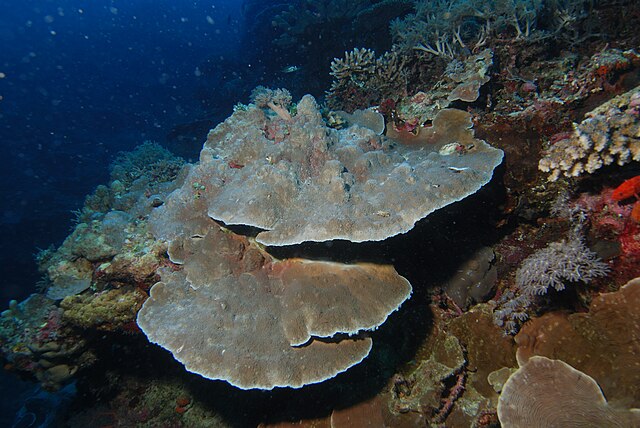
Montipora (Montipora): Does not directly attack but grows rapidly and can crawl under other corals, sometimes burying and smothering them in a phenomenon called "Monti Rollover".
Low Aggression (Relatively Safe)
Soft Corals in General (Leather Corals, Mushroom Corals): Do not possess sweeper tentacles but may release chemicals into the water that inhibit SPS growth.
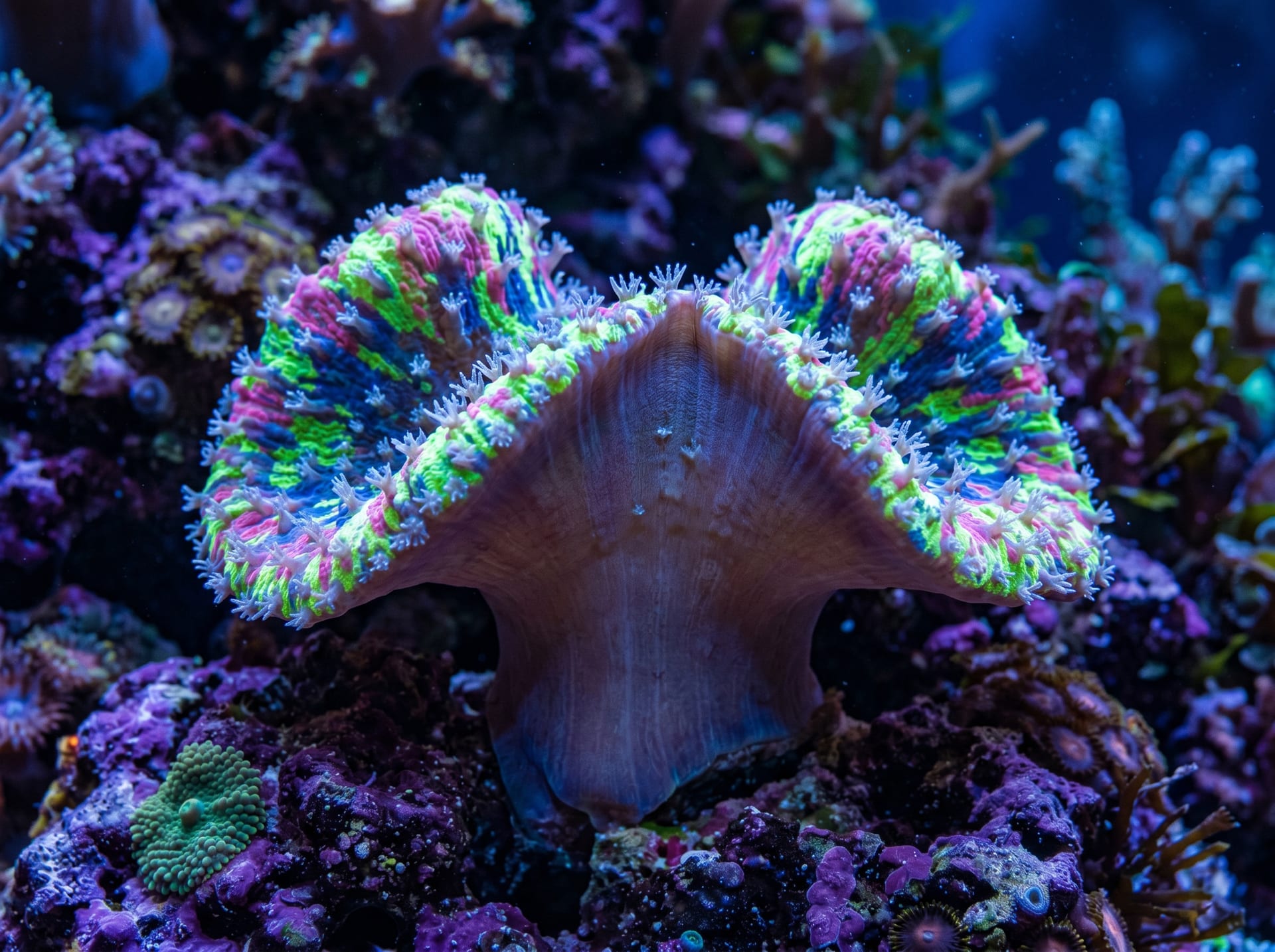
Star Polyp and Disc Coral (Mushroom Coral): Low physical aggression. However, mushroom corals sometimes chemically suppress surrounding corals through their tolerance of extremely high pH.
Safe Separation Distance Guidelines
To minimize sweeper tentacle risk, design your layout using the following distance guidelines as reference.
Coral Combination
Recommended Minimum Separation Distance
Euphyllia species with each other
15–20 cm
Euphyllia species × Other LPS
15 cm or more
Brain Coral × Any
10–15 cm
LPS × Soft Coral
8–10 cm
LPS × SPS
10 cm or more
Soft Coral × SPS
8–10 cm
These distances are merely guidelines, and it is essential to actually observe nocturnal sweeper extension and adjust accordingly. We strongly recommend implementing "night patrols," where you illuminate the tank with a flashlight 1–2 hours after lights-out to observe how far tentacles extend.
Preventing Sweeper Problems Through Layout Design
Most problems can be prevented through advance layout planning.
Zone Division by Aggression Level: Divide the tank into zones horizontally or vertically, grouping high-aggression corals in one zone and placing SPS or small soft corals in separate zones. For Euphyllia species, it is best to reserve a dedicated area.
Leveraging Height Differences: By placing SPS (Acropora) in higher positions and LPS in lower positions, you can compensate for horizontal distance limitations. However, depending on water flow, sweepers in lower positions may still reach upward.
Live Rock Barriers: While not foolproof, placing live rock in the path of sweeper tentacles to create physical barriers does provide some deterrent effect.
Emergency Treatment When Sweeper Attacks Are Discovered
Early response is crucial when you discover actual attack damage.
Move Damaged Corals Immediately: Quickly relocate injured corals to a safe distance (or separate container).
Wound Treatment: Apply a small amount of iodine solution to prevent secondary infection. Coral-specific wound treatment products (coral glue and treatment-type products) are also commercially available.
Relocate the Aggressor Coral: If damage recurs, either reposition the offending coral or frag it for separate management.
Maintain Water Quality Stability: Water quality stability is paramount for stressed coral recovery. Perform water changes and keep parameters at optimal levels.
Summary
Territorial wars caused by sweeper tentacles are one of the most commonly overlooked risks in mixed reefs. By understanding species-specific aggression, designing layouts with adequate separation, and monitoring with regular night patrols, you can prevent most problems before they occur. To maintain corals long-term in good health, it is essential to design not only for visual beauty but also for "coral-to-coral relationships." When purchasing and listing corals on BreederDirect, sharing aggression information contributes to building an environment where buyers can confidently introduce corals to their tanks.