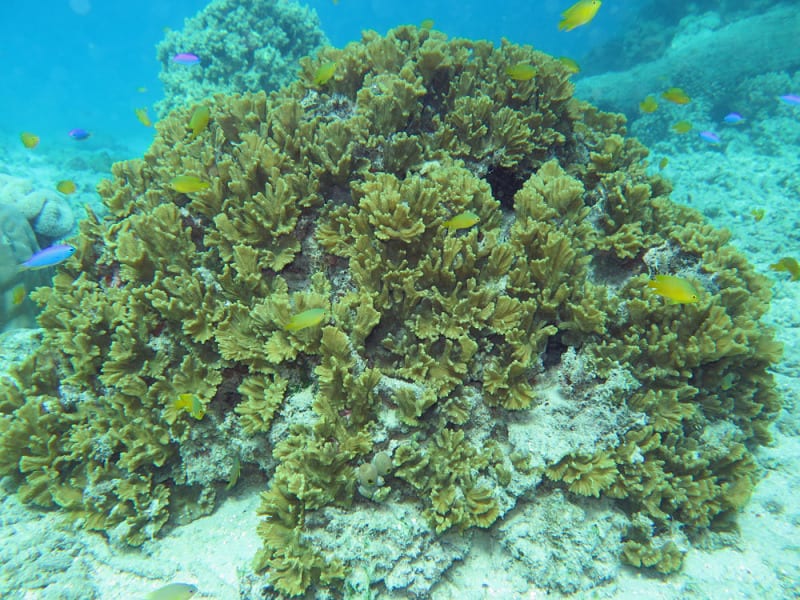
 © Anne Hoggett / CC BY 3.0
Pectinia Paeonia
Peonia Coral (Pectinia paeonia) is prized for its striking skeleton, with thin walls that rise irregularly into sharp, jagged ridges and deep, convoluted valleys. Its English name, Hibiscus Coral, nods to the flower-like folds that catch shifting shadows as light hits the colony from different angles. Compared to the closely related Lettuce Coral, its valleys run deeper and more intricate, and mature colonies can reach a diameter of several tens of centimeters. That said, it's sensitive to shifts in water quality and flow, and it's generally considered an advanced-level coral best suited to keepers who already have some coral-keeping experience.
View Pectinia Paeonia encyclopedia →0% commission on your first sales!Register by September 30, 2026 and your first 2 sales are commission-free!
Breeder Wanted!
List on BreederDirect and sell directly to customers nationwide!
Br-Choku's 6 Transparency Standards
Our Breeder sellers disclose detailed care specs for all Coral listings. We prioritize Aquacultured/CB specimens, verify WYSIWYG photos, and provide difficulty ratings—avoiding wild-caught.
- Aquacultured
- WYSIWYG Photo
- Difficulty Disclosed
- Frag/Colony
- Care Info Included
- Trade name shown
Browse all 210 breeds
Difficulty
Verified breeders wanted for Coral
Breeders are signing up now ahead of launch. Subscribe to be notified when new listings go live.
Getting alerts is free with a member account. When new listings match your saved search, we'll notify you by email and in-app.
Browse other categories
Verified breeders (preview)
Pectinia Paeonia key facts
- Care level
- Advanced
- Size
- Colonies to several tens of cm
- Temperature
- 24〜26℃
- Diet
- Mainly nutrition from symbiotic zooxanthellae, supplemented with fine to small particulate coral foods offered at night.
- Lighting
- LiveAquaria gives moderate lighting for Pectinia. Strong light makes the tissue retract, so place it from mid-height downwards and start at an even lower intensity.
- Flow & Placement
- Medium flow, randomised, because detritus collects in the intricate valleys. The sharp ridges injure neighbouring corals, so leave space around it.
- Water Temperature & Quality
- Water 24-26C, specific gravity 1.023-1.025, salinity 33-35 ppt, KH 8-12. It is intolerant of sudden swings and rising nutrients, so stability matters more than anything else.
- Feeding
- Most of its nutrition comes from its zooxanthellae. Feed small amounts of fine to small particulate coral food after lights-out; overfeeding raises nutrients and triggers tissue recession.
- Notes
- Its skeleton resembles that of the lettuce coral of the same genus and the two are hard to tell apart alive. The thin skeleton chips easily and needs careful handling. As a scleractinian it is on CITES Appendix II and international trade requires permits.
About Pectinia Paeonia
Peonia Coral (Pectinia paeonia) features thin walls, sharp ridges, and deep, convoluted valleys. Also known as Hibiscus Coral, its valleys run deeper than the related Lettuce Coral. It's considered advanced-level to keep, with colonies growing to several tens of centimeters across.
7 things to know before welcoming a Pectinia Paeonia
1Advanced-Level Difficulty
Peonia Coral (Pectinia paeonia) is considered an advanced-care coral that reacts sensitively to changes in water quality and temperature. It's best introduced once you've built up some experience keeping corals.
2Placement for Light and Flow
Because its thin tissue is easily stressed by intense light or strong direct flow, place this coral where it won't receive direct high-intensity lighting or current. Let it acclimate gradually as it settles into the tank.
3Detritus Collects in Deep Valleys
The sharp ridges and deeply convoluted valleys that define its skeleton make it prone to trapping detritus. Moderate water flow helps keep debris from settling in those crevices.
4Give It Space From Other Corals
Its tentacles can sting neighboring corals, so leave enough clearance when placing it in the tank. Plan for extra room as the colony grows larger over time.
5Colonies Can Reach Tens of Centimeters
Mature colonies can grow to a diameter of several tens of centimeters, so plan your tank size and available space with that eventual growth in mind.
6Adjusting to Water Changes
This coral is sensitive to sudden shifts in water quality and temperature, so take your time with a slow, careful acclimation drip when first introducing it. Avoid rushing the process.
7Feeding Supports Condition
Beyond what it gains from photosynthesis, occasional feeding with fine plankton-type foods can help support its condition. Watch how well the polyps extend as a sign of health.
Frequently asked questions about Pectinia Paeonia
- Q.Is this coral suitable for beginners?
- A.It's classified as an advanced-level coral, so it's best attempted once you're comfortable managing water quality and flow. Building a solid foundation in coral keeping first will make for a smoother start.
- Q.How large does it grow?
- A.Colonies can reach a diameter of several tens of centimeters. It's a good idea to leave extra room in your tank and aquascape for that growth.
- Q.Can it be kept with other corals?
- A.Its tentacles can sting nearby corals, so it needs plenty of clearance from its neighbors. Avoid crowding it into a tightly packed layout.
- Q.How is it different from Lettuce Coral?
- A.Compared to its close relative the Lettuce Coral, its valleys are deeper and more convoluted, and it's generally considered more difficult to keep. The skeleton's shape is the easiest way to tell them apart.
- Q.Where does the Japanese name "Umibara" (Sea Rose) come from?
- A.Its thin walls rise irregularly with sharply pointed ridges, and the layered, petal-like appearance is thought to be the inspiration behind the name. That intricate skeletal structure is part of what makes this coral so distinctive.
Useful tools for Pectinia Paeonia care
Learn more about Pectinia Paeonia in the encyclopedia
View Pectinia Paeonia encyclopedia entry →
Care difficulty, lifespan, size and diet — all basics covered.
More in this category
Can't find the one you're looking for?
Post your wishes for free and breeders with matching animals will contact you with introductions.