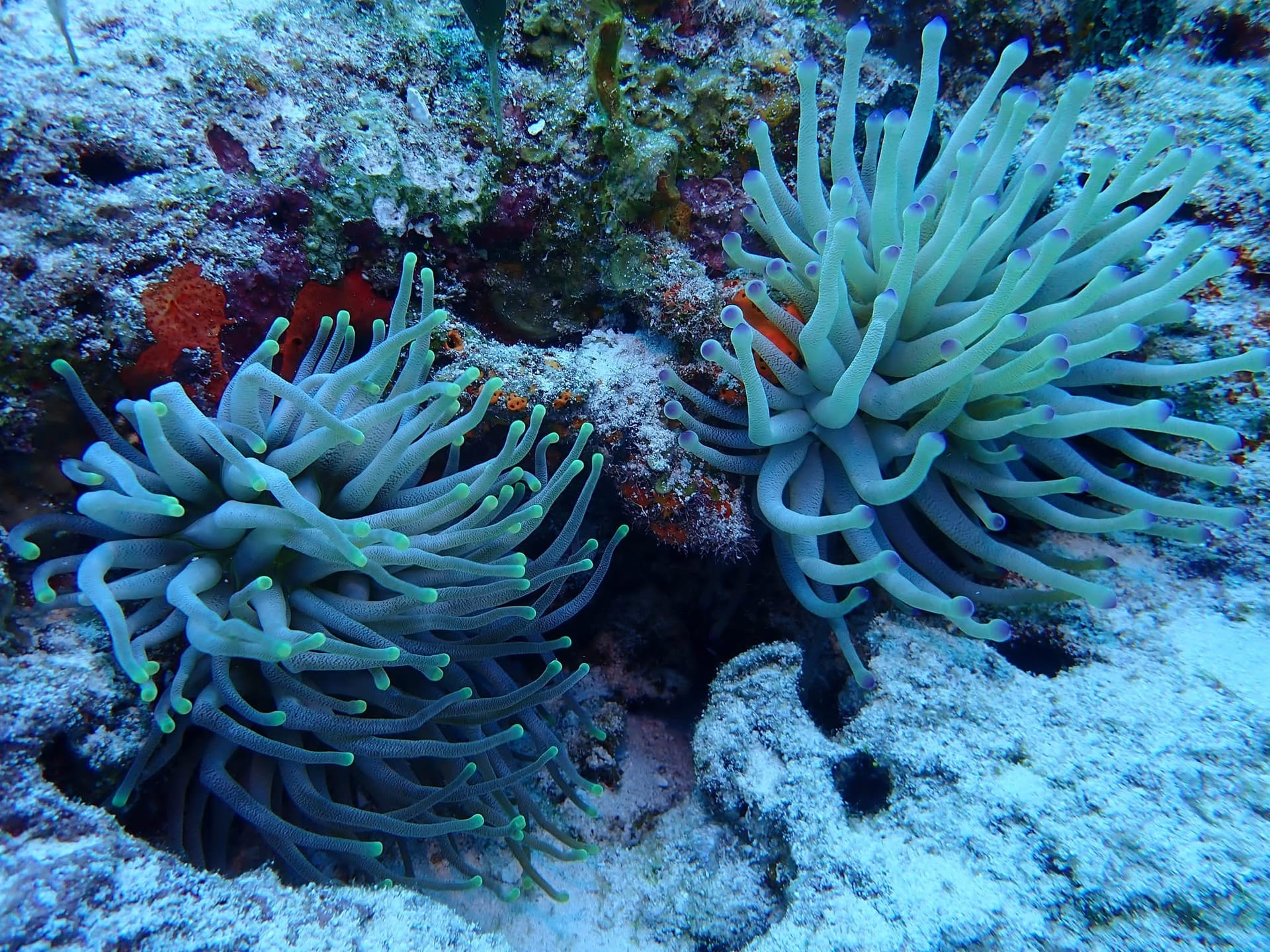
 © Tylermack999 / CC0
Condylactis Anemone
The Condylactis anemone, also known as the Caribbean anemone, is native to shallow reefs across the Caribbean Sea and western Atlantic. Its reddish column supports long, tapering tentacles that fade to soft pink at the tips, and some individuals develop a bulb-like swelling at the very end of each tentacle. Rather than clustering in large groups, it tends to live alone or in loose gatherings, giving it a calm, understated presence in a reef tank. Because it calls for some hands-on experience with water quality and reef husbandry, it's best suited to aquarists who already have a marine tank under their belt.
View Condylactis Anemone encyclopedia →0% commission on your first sales!Register by September 30, 2026 and your first 2 sales are commission-free!
Breeder Wanted!
List on BreederDirect and sell directly to customers nationwide!
Br-Choku's 6 Transparency Standards
Our Breeder sellers disclose detailed care specs for all Coral listings. We prioritize Aquacultured/CB specimens, verify WYSIWYG photos, and provide difficulty ratings—avoiding wild-caught.
- Aquacultured
- WYSIWYG Photo
- Difficulty Disclosed
- Frag/Colony
- Care Info Included
- Trade name shown
Browse all 210 breeds
Difficulty
Verified breeders wanted for Coral
Breeders are signing up now ahead of launch. Subscribe to be notified when new listings go live.
Getting alerts is free with a member account. When new listings match your saved search, we'll notify you by email and in-app.
Browse other categories
Verified breeders (preview)
Condylactis Anemone key facts
- Care level
- Intermediate
- Temperature
- 22〜26℃
- Diet
- Nutrition from symbiotic zooxanthellae, supplemented about once a week with meaty foods such as fish, shrimp and clam.
- Lighting
- LiveAquaria rates its lighting requirement as high and states that it should never be bought unless a good lighting system is already in place.
- Flow & Placement
- LiveAquaria rates flow as medium and placement as bottom. It anchors by burying its base in the sand or wedging it into a crevice in the rock.
- Water Temperature & Quality
- Water 22-26C, specific gravity 1.020-1.025. LiveAquaria rates its care level as moderate and gives a minimum tank size of 20 gallons.
- Feeding
- Besides photosynthesis, offer meaty foods such as fish, mussel and shrimp.
- Notes
- It moves around the tank and its sting can badly damage other anemones and corals, so it does not suit a coral aquarium. Do not keep it with its natural predator, the large hermit crabs of the genus Dardanus. It is not listed in the CITES Appendices.
About Condylactis Anemone
Condylactis anemone (Caribbean anemone): a Caribbean and western Atlantic species with a reddish column and pink-tipped tentacles. Intermediate difficulty, prized for its calm, striking presence in a reef tank.
7 things to know before welcoming a Condylactis Anemone
1Intermediate Care Level
The Condylactis anemone is considered suitable for intermediate keepers, requiring some working knowledge of water quality and lighting. Building experience with a saltwater tank beforehand makes it easier to keep the environment stable.
2Nematocysts Need Space
Its tentacles carry stinging cells that can injure neighboring corals or anemones on contact. Give it plenty of space from other sessile animals, and consider water flow patterns so its tentacles don't drift into contact with tankmates.
3It Can Relocate Itself
Anemones are capable of moving on their own, and Condylactis may relocate within the tank in search of a spot it prefers. Keep an eye on pump intakes and heaters, since it can settle in inconvenient places.
4Prefers Strong Light and Flow
In the wild it lives in shallow water, so it tends to do best under relatively strong lighting and moderate water movement. Choose a placement in the tank that can provide both.
5Needs Regular Feeding
It catches small food items with its tentacles, so regular feeding supports its health. Pieces of shrimp or fish sized to fit its mouth are commonly offered.
6Usually Found Alone
In the wild it doesn't form large groups, typically appearing alone or in loose clusters. This makes it easy to start with a single specimen and still see its natural behavior.
7Prepare a Mature Tank First
Because anemones are sensitive to shifts in water chemistry, it's best introduced to a tank that has been running long enough for parameters to stabilize. It's also worth checking compatibility with existing corals and fish beforehand.
Frequently asked questions about Condylactis Anemone
- Q.Is the Condylactis anemone suitable for beginners?
- A.It's generally considered an intermediate-level species, so it's best to build some saltwater keeping experience first. Aquarists comfortable with water quality management will find it manageable in a stable tank.
- Q.Can it be kept with other anemones or corals?
- A.Its tentacles carry stinging cells that can harm neighboring animals, so it needs to be placed with plenty of space around it. Planning the tank layout carefully helps prevent accidental contact.
- Q.Does it move around the tank?
- A.Yes, anemones can move on their own and Condylactis may relocate in search of a spot it prefers. Keep an eye on where it settles, especially near equipment like pump intakes.
- Q.How much light and water flow does it need?
- A.Since it naturally lives in shallow water, it tends to prefer relatively strong lighting and moderate flow. Try to place it somewhere in the tank that can provide both.
- Q.How often should it be fed?
- A.It catches food with its tentacles, so regular feeding helps support its health. Offering pieces of appropriately sized food is a common approach.
Useful tools for Condylactis Anemone care
Learn more about Condylactis Anemone in the encyclopedia
View Condylactis Anemone encyclopedia entry →
Care difficulty, lifespan, size and diet — all basics covered.
More in this category
Can't find the one you're looking for?
Post your wishes for free and breeders with matching animals will contact you with introductions.