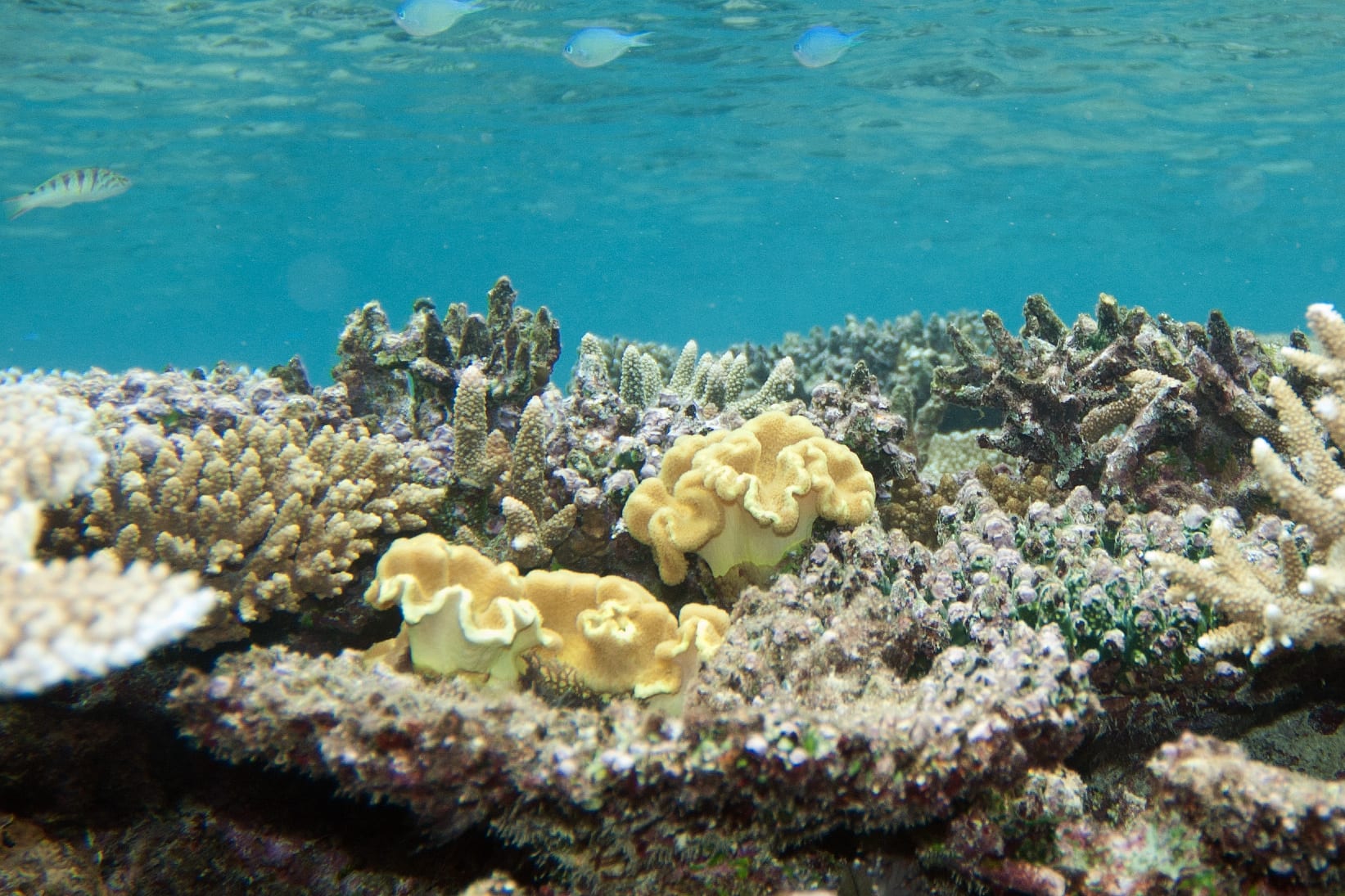
 © Paul Asman and Jill Lenoble / CC BY 2.0
Yellow Leather Coral (Sarcophyton Elegans)
The Yellow Leather Coral (Sarcophyton elegans) is a soft coral with a mushroom-like cap, from which countless slender polyps extend and sway gently in the current. Its base color ranges from beige to grayish-brown, sometimes taking on a yellow tint, while the polyps can show green or golden-brown hues. Hardy and tolerant of changing conditions, it's a popular entry point for people starting out with corals. One thing to keep in mind is that it releases chemical compounds that can suppress the growth of neighboring corals, so it's worth giving it some space in your aquascape.
View Yellow Leather Coral (Sarcophyton Elegans) encyclopedia →0% commission on your first sales!Register by September 30, 2026 and your first 2 sales are commission-free!
Breeder Wanted!
List on BreederDirect and sell directly to customers nationwide!
Br-Choku's 6 Transparency Standards
Our Breeder sellers disclose detailed care specs for all Coral listings. We prioritize Aquacultured/CB specimens, verify WYSIWYG photos, and provide difficulty ratings—avoiding wild-caught.
- Aquacultured
- WYSIWYG Photo
- Difficulty Disclosed
- Frag/Colony
- Care Info Included
- Trade name shown
Browse all 210 breeds
Difficulty
Verified breeders wanted for Coral
Breeders are signing up now ahead of launch. Subscribe to be notified when new listings go live.
Getting alerts is free with a member account. When new listings match your saved search, we'll notify you by email and in-app.
Browse other categories
Verified breeders (preview)
Yellow Leather Coral (Sarcophyton Elegans) key facts
- Care level
- Beginner-friendly
- Temperature
- 24〜27℃
- Diet
- Mainly photosynthesis via zooxanthellae
- Lighting
- It likes rather bright lighting but adapts across a range from medium to intense.
- Flow & Placement
- It likes brisk, chaotic movement and tolerates moderate to strong flow; avoid powerful direct jets.
- Water Temperature & Quality
- 24-27 C and 1.022-1.025 specific gravity. As a soft coral it is less demanding on water chemistry than stony corals.
- Feeding
- It lives mainly on photosynthesis and rarely needs deliberate feeding.
- Notes
- It releases sarcophytoxide and similar compounds that suppress neighbours; run carbon and a skimmer.
About Yellow Leather Coral (Sarcophyton Elegans)
A hardy mushroom-shaped soft coral with green or golden-brown polyps, well suited to coral-keeping beginners — though it releases chemicals that can suppress neighboring corals.
7 things to know before welcoming a Yellow Leather Coral (Sarcophyton Elegans)
1Give It Room to Grow
Sarcophyton elegans can release chemical compounds that suppress the growth of neighboring corals, so it's best placed with plenty of distance from other corals. Keep this in mind when planning your aquascape layout.
2Light and Flow Matter
Moderate lighting and gentle water flow help the cap expand fully. Flow that's too strong can cause it to stay contracted, so watch how it responds and adjust the current accordingly.
3Hardy and Forgiving
This coral is hardy and tolerates minor fluctuations in water parameters reasonably well, making it approachable for those new to coral keeping. That said, sudden swings in water quality should still be avoided in favor of a stable environment.
4Shrinking Is Normal
It's normal for the cap to shrink or deflate in response to changes or disturbances in its surroundings. This is usually temporary, and the coral typically expands again once conditions settle.
5It May Split and Multiply
A thriving specimen may naturally split and produce new heads over time. These offshoots can be relocated elsewhere in the tank, adding variety to your layout as the colony grows.
6No Special Feeding Needed
Since it draws most of its energy from symbiotic algae, active feeding isn't required. Maintaining good lighting conditions is the main part of its everyday care.
7Before You Bring One Home
Before bringing one home, check that you have adequate space and enough distance from other corals in your tank. After arrival, acclimate it carefully and keep an eye on it for the first few days as it settles in.
Frequently asked questions about Yellow Leather Coral (Sarcophyton Elegans)
- Q.Can I keep it together with other corals?
- A.Yes, but since it releases chemicals that can suppress the growth of neighboring corals, it's best to give it distance from other corals in your tank. Factor in growth space when planning your layout.
- Q.How much light does it need?
- A.It prefers moderate lighting rather than very intense light. Avoid extremely strong lighting and adjust its placement based on how well the cap opens up.
- Q.How strong should the water flow be?
- A.It prefers gentle water flow, and strong currents can cause it to stay contracted. Start with weaker flow and adjust based on how it responds.
- Q.Is it a problem if the cap shrinks and gets smaller?
- A.Shrinking is often a temporary response to changes or disturbances in its environment. If it stays contracted for a long time, though, it's worth reviewing your water quality and placement.
- Q.Does it need to be fed?
- A.It gets most of its energy from symbiotic algae, so feeding isn't required. Maintaining good lighting is the main part of its ongoing care.
Useful tools for Yellow Leather Coral (Sarcophyton Elegans) care
Learn more about Yellow Leather Coral (Sarcophyton Elegans) in the encyclopedia
View Yellow Leather Coral (Sarcophyton Elegans) encyclopedia entry →
Care difficulty, lifespan, size and diet — all basics covered.
More in this category
Can't find the one you're looking for?
Post your wishes for free and breeders with matching animals will contact you with introductions.